The Modern Photographer’s Dilemma: Device Choice in the Field
The photography community faces an increasingly nuanced question in today’s tech-driven landscape: Is carrying a dedicated camera system still essential, or have smartphone cameras evolved to the point where they can serve as a complete imaging solution? The answer, according to insights from industry professionals, is far more complex than a simple yes or no.
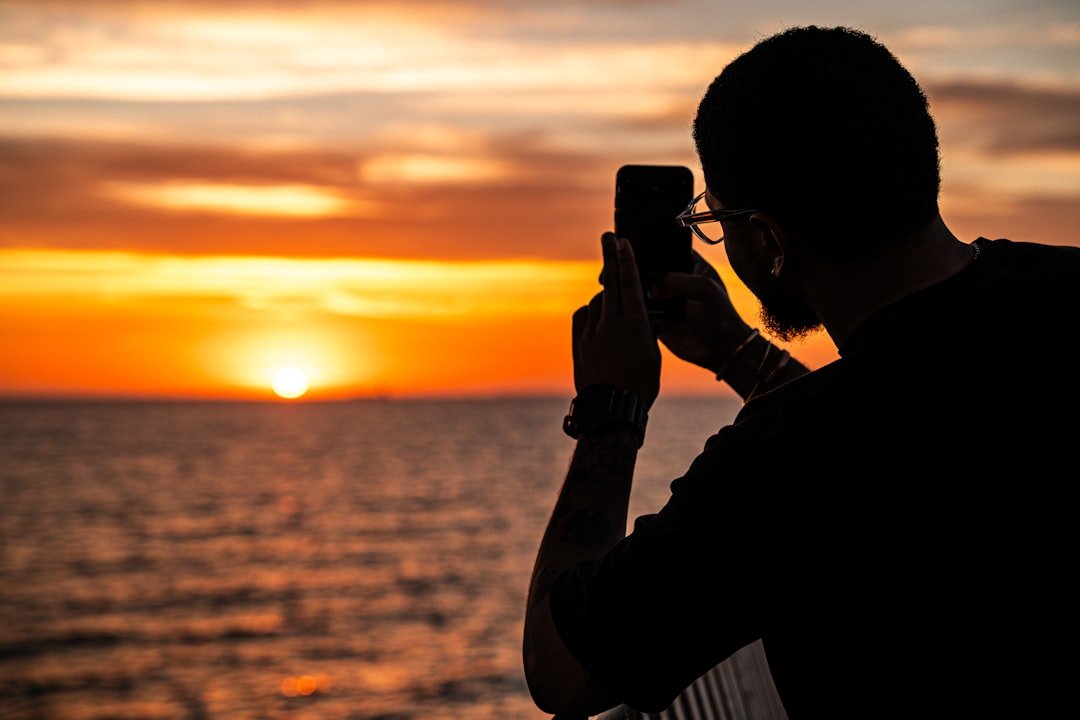
Recent conversations with photography experts reveal a fascinating tension between equipment quality and practical accessibility. One compelling perspective emerged regarding the psychological impact of gear visibility. When photographers operate with professional-grade equipment, their presence becomes conspicuous. The act of raising a camera to the eye naturally alerts subjects and alters environmental dynamics. Conversely, smartphones blend seamlessly into everyday life. This sociological factor presents an unexpected advantage for mobile photography, particularly in documentary and candid shooting scenarios where subject awareness can compromise image authenticity.
The Technical Evolution of Mobile Imaging
Contemporary flagship smartphones, including the iPhone 12 Pro, have demonstrably narrowed the capability gap between mobile and traditional cameras. Modern computational photography techniques—including advanced HDR processing, multi-frame fusion, and algorithmic optimization—produce results that satisfy many professional and amateur photographers alike. However, this technological advancement doesn’t necessarily render dedicated cameras obsolete.
The genuine limitations of smartphone photography emerge under specific conditions: extreme low-light scenarios, telephoto requirements, optical zoom capabilities, and post-processing flexibility. These constraints remain significant for photographers pursuing specialized work or seeking maximum creative control.
Rethinking Camera Accessibility
A critical consideration emerging from professional discussions centers on preparedness versus spontaneity. Photographers who meticulously plan shoots can justify carrying elaborate camera systems. Yet unplanned photographic opportunities—like unexpectedly dramatic weather phenomena—often occur during casual moments when dedicated equipment remains at home. The resulting imagery captured on smartphones, while potentially lacking technical optimization, frequently possesses emotional resonance that equipment quality cannot determine.
This reality challenges conventional wisdom within photography circles. The assumption that superior equipment automatically yields superior results oversimplifies the relationship between gear and photographic outcome. Compositional skill, lighting observation, and moment recognition ultimately matter more than megapixel counts or lens specifications.
Practical Framework for Equipment Decision-Making
Rather than advocating for absolute camera choice, experienced photographers increasingly recommend context-dependent evaluation. Professional assignments, commercial work, and specialized technical requirements justify dedicated systems. Everyday documentation, travel photography, and candid observation benefit from smartphone convenience without meaningful compromise in output quality.
The emerging consensus suggests abandoning the false dichotomy between smartphone and dedicated cameras. Instead, photographers thrive by maintaining flexible workflows that accommodate multiple devices based on specific circumstances. A smartphone serves excellently as a primary tool for daily photography, while dedicated systems emerge when technical requirements or planned projects demand their capabilities.
Ultimately, the best camera remains the one you have with you when meaningful moments occur. Whether that device measures inches or pounds becomes secondary to the photographer’s vision, timing, and technical understanding.