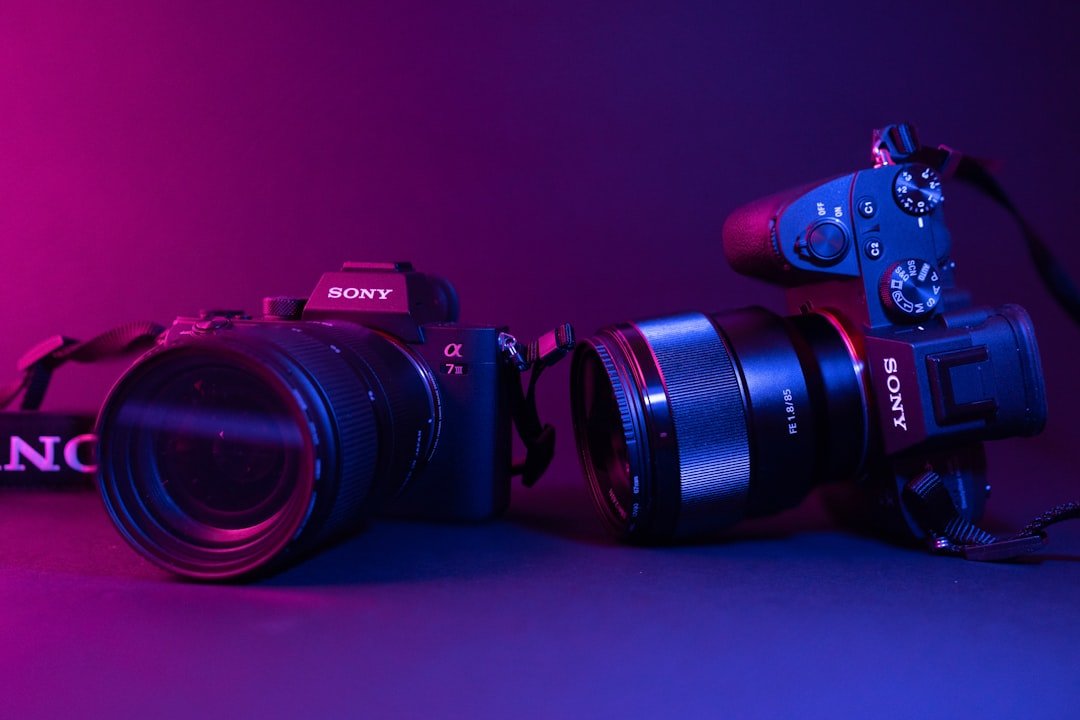
Three Powerhouses in Sony’s Premium Lineup: Which One Deserves Your Investment?
For photographers operating within the $3,000 to $5,000 investment bracket, Sony’s full-frame mirrorless ecosystem presents a compelling yet challenging decision. The a7R V, a7 V, and a7R VI represent three distinct approaches to professional image capture, each targeting different creative priorities and shooting methodologies. While these cameras share similar ergonomic designs and handling characteristics, their underlying performance matrices diverge significantly in real-world applications.
Understanding the Positioning Strategy
Sony’s strategic positioning of these three models addresses specific market segments within the premium mirrorless category. The a7R series emphasizes megapixel density and detail extraction, prioritizing resolution for studio work, landscape photography, and commercial assignments demanding maximum cropping flexibility. The standard a7 model balances resolution with operational speed, making it particularly attractive to event photographers and professionals who require responsive autofocus performance alongside robust video capabilities.
Resolution vs. Responsiveness: The Core Trade-Off
When evaluating these cameras side-by-side during extended shooting sessions, the resolution philosophy becomes immediately apparent. The R-designated models target resolution-centric workflows, delivering exceptional pixel density that provides substantial latitude in post-processing and enlargement capabilities. Conversely, the a7 V prioritizes buffer capacity and shooting speed, enabling photographers to maintain continuous operation during fast-paced assignments without experiencing processing bottlenecks.
Battery Performance and Operational Longevity
Extended field work reveals substantial differences in power management across these models. Battery longevity varies considerably depending on autofocus intensity, environmental conditions, and feature utilization. Photographers undertaking all-day assignments should factor power consumption into their gear selection strategy, particularly when working in remote locations or during lengthy studio sessions where external charging infrastructure remains unavailable.
Used Market Dynamics and Value Considerations
The secondary equipment market significantly impacts acquisition costs for these premium bodies. Price fluctuations on used platforms create opportunities for budget-conscious professionals, though warranty considerations and sensor condition assessments become increasingly important when purchasing previously owned equipment. Patient buyers monitoring marketplace trends frequently discover substantial savings compared to retail pricing, particularly as newer generations enter the market cycle.
Practical Performance Evaluation
Extended hands-on experience reveals that ergonomic similarities mask fundamental operational differences. Menu navigation, autofocus responsiveness, and image stabilization behavior diverge noticeably during real-world deployment. Video-centric projects favor the a7 V’s enhanced codec support and operational speed, while archival photography and fine art applications gravitate toward the R models’ exceptional resolution capabilities.
The decision ultimately hinges on matching camera capabilities to individual creative priorities rather than chasing specifications alone. Professional photographers benefit from clearly identifying their primary subject matter, typical shooting environments, and post-processing workflows before committing significant capital to any single platform. Sony’s three-model approach ensures comprehensive coverage across the premium full-frame spectrum, allowing photographers to find their ideal technical match within this competitive and feature-rich segment of the mirrorless market.