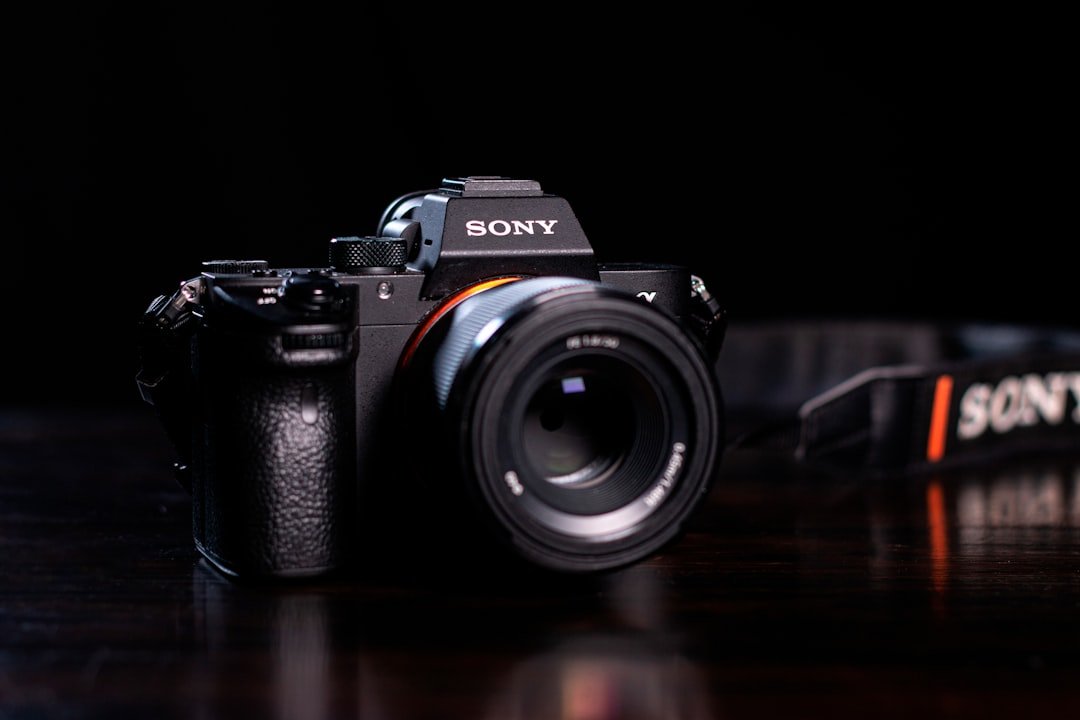
A Delayed Update That Struggles to Justify Its Wait
Sony’s photography division has finally introduced the fifth iteration of its acclaimed Cyber-shot RX10 line, arriving nearly a decade after the RX10 IV established itself as a formidable contender in the bridge camera segment. While the intervening years have witnessed dramatic transformations across the digital imaging landscape—from mirrorless revolution to computational photography breakthroughs—the newest iteration presents a surprisingly incremental evolution rather than the substantial leap enthusiasts anticipated.
The extended development cycle between generations raised considerable expectations within the professional and enthusiast communities. Since 2017, when Sony last refreshed this particular model, manufacturers have fundamentally reimagined what bridge cameras can accomplish. Competitors have introduced aggressive sensor upgrades, advanced autofocus systems, and innovative stabilization technologies that have reset industry standards. Against this backdrop of rapid innovation, the RX10 V’s arrival feels somewhat measured.
Understanding Bridge Camera Market Dynamics
Bridge cameras occupy a unique position within the photographic ecosystem, serving photographers who seek the convenience of fixed-lens systems without sacrificing optical versatility or image quality. These instruments combine telephoto reach with manageable form factors, making them particularly attractive for travel documentation, wildlife observation, and event coverage where equipment weight becomes a consideration.
Sony’s RX10 lineage has historically competed effectively against comparable offerings from Panasonic and Canon by emphasizing robust build quality, sophisticated autofocus performance, and sensor technology derived from the company’s mirrorless platforms. The RX10 IV, despite its age, retained considerable appeal through its 20-megapixel sensor and continuous shooting capabilities that rivaled dedicated interchangeable-lens systems.
The Evolution That Wasn’t
The newly unveiled RX10 V follows a refresh pattern that can best be described as conservative. Rather than introducing paradigm-shifting enhancements, Sony has opted for refinement across existing technologies. While each individual upgrade demonstrates competent engineering, the cumulative effect fails to generate the excitement that justified the extended waiting period.
Photographers evaluating whether to commit their resources to this system face a troubling calculus: does the incremental improvement justify the premium pricing structure, particularly when alternative platforms have aggressively advanced their competitive positions? This question becomes increasingly difficult to answer affirmatively when examining the specifications and real-world performance metrics side by side with market alternatives.
The Broader Context
The RX10 V’s tepid evolution also reflects wider trends within the camera industry. Manufacturers face mounting pressure from smartphone imaging capabilities that continue their relentless march toward professional-grade output. Simultaneously, mirrorless platforms have become sufficiently compact and affordable that the traditional advantages of bridge cameras have eroded considerably.
For Sony specifically, the robust development resources devoted to Alpha mirrorless systems may have inadvertently deprioritized the RX10 line’s technological roadmap. This strategic allocation, while understandable from a business perspective, leaves bridge camera devotees feeling somewhat abandoned.
Ultimately, the RX10 V represents technically competent equipment that performs admirably within its intended purpose. However, when positioned against both the historical significance of its lineage and the accelerating pace of industry innovation, it registers as a disappointment—a camera that arrives late to a competition it once led, carrying improvements that feel insufficient for photographers genuinely seeking a genuine advancement.