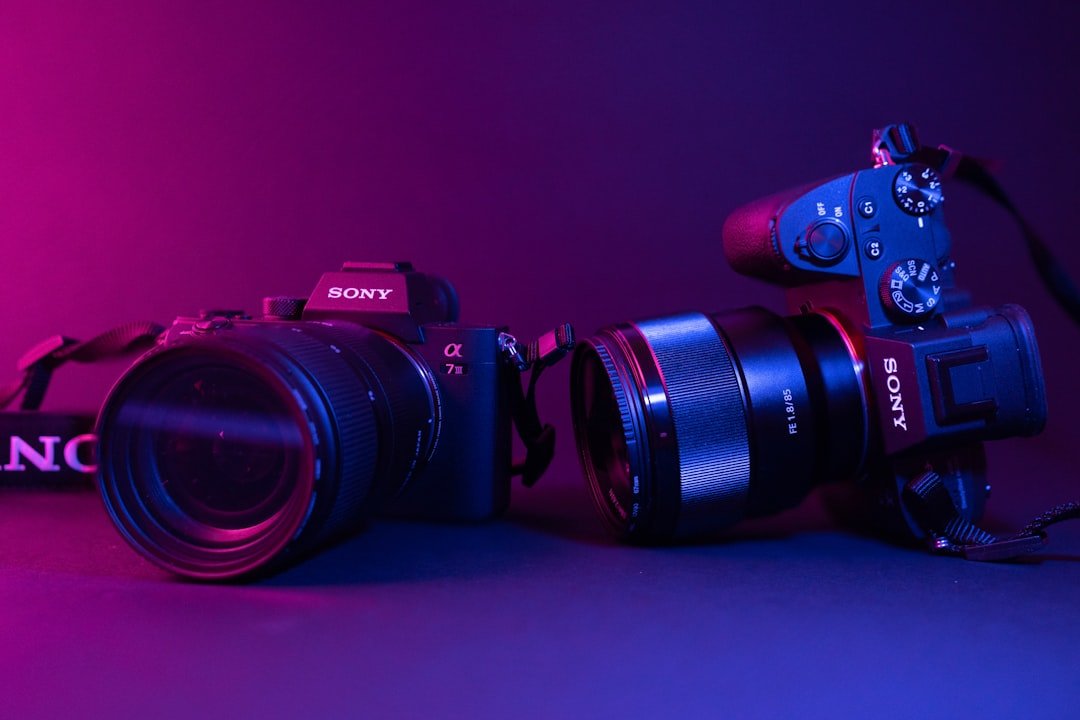
Sony’s Strategic Ascendancy in the Mirrorless Era
Throughout the past decade, Sony has functioned as the industry’s primary innovator and market leader, fundamentally reshaping how professionals and enthusiasts approach digital imaging. Beginning in 2013, the company’s strategic vision transformed the landscape through bold technological choices that competitors initially resisted.
The introduction of the original a7 and a7R models proved instrumental in legitimizing full-frame mirrorless architecture at scale. These cameras didn’t merely exist as niche alternatives—they established that compact, electronic systems could deliver the optical quality and performance that traditional DSLR users demanded. This pivotal moment forced established manufacturers like Canon and Nikon to reevaluate their product roadmaps, ultimately accelerating their transition away from decades-old mirror-based technology.
Professional sports photography became the critical proving ground for mirrorless technology. Sony’s a9 series demonstrated that electronic shutters possessed the reliability, speed, and accuracy necessary to compete with mechanical alternatives in demanding editorial environments. This credibility in high-stakes applications accelerated broader industry adoption among working photographers who previously viewed mirrorless systems with skepticism.
The E-Mount Strategy and Ecosystem Impact
Beyond camera bodies themselves, Sony’s decision to license the E-mount platform to third-party lens manufacturers fundamentally restructured the optical accessory economy. This open-architecture approach created unprecedented choice in the lens marketplace, attracting manufacturers who previously focused exclusively on Canon, Nikon, or other proprietary mounts. The abundance of third-party options at various price points removed significant barriers to system adoption and created network effects that reinforced Sony’s market position.
Where Market Share Diverges from Cultural Influence
Despite Sony’s quantifiable commercial success and technological leadership, Fujifilm has cultivated something equally valuable in the digital age: mindshare and authentic community engagement. While Sony controls larger percentages of actual sales volume, Fujifilm has established itself as a cultural touchstone within photography communities, particularly among enthusiasts who value distinctive aesthetic philosophies and hands-on mechanical controls.
This distinction reflects an important reality in contemporary consumer electronics: financial performance and social influence operate in different dimensions. Fujifilm’s strategic positioning around film simulation technology, compact form factors, and design philosophy has created passionate advocacy that extends far beyond raw market metrics. The brand generates disproportionate conversation relative to its sales volume, establishing strong emotional connections with its audience.
The Broader Competitive Landscape
The camera market’s evolution illustrates how technology leadership doesn’t automatically translate to cultural dominance. Sony’s engineering prowess and market execution remain unquestionable, yet the company faces an interesting challenge: maintaining technical superiority while competing against brands that have cultivated stronger emotional bonds with their constituencies.
Moving forward, both manufacturers occupy distinct strategic positions. Sony continues consolidating its role as the performance-focused, feature-rich choice for demanding professionals. Fujifilm, conversely, has positioned itself as the manufacturer that understands photographers’ desires for intentional, character-driven tools rather than pure specification maximization.