Bridging the Lens Gap in the APS-C Ecosystem
The mirrorless APS-C market has experienced explosive growth over the past several years, yet one persistent challenge continues to frustrate enthusiasts and professionals alike: locating a truly versatile, fast zoom lens that won’t command a premium price tag rivaling that of flagship full-frame camera bodies.
The optical landscape for crop-sensor mirrorless systems has traditionally presented photographers with an awkward choice. Either they commit to slower kit zooms offering minimal depth-of-field control, or they stretch their budgets considerably to acquire premium telephoto and wide-angle glass. This middle ground—where everyday versatility meets constant aperture performance—has remained largely unexplored until now.
Understanding the Coverage Sweet Spot
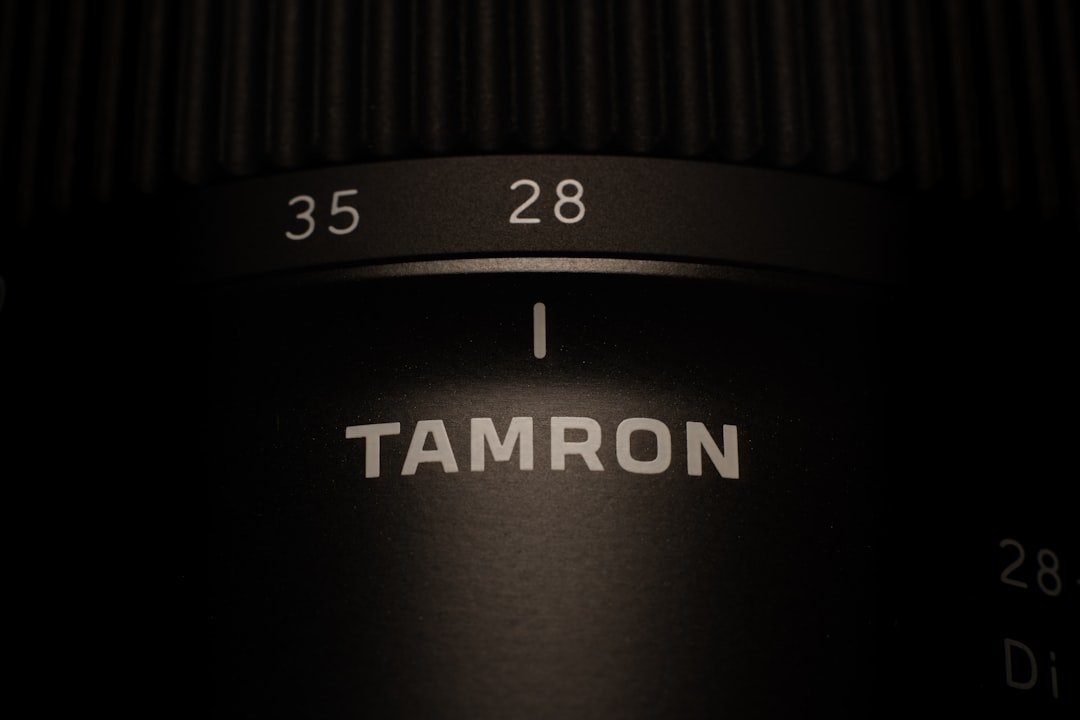
The Tamron 17-70mm f/2.8 represents a thoughtfully conceived response to this market void. By encompassing a focal length range that spans from ultra-wide perspectives to moderate telephoto compression, this optic addresses a genuine need within the APS-C community that many photographers don’t consciously recognize until they begin researching their options.
What distinguishes this particular design is its maintenance of a consistent f/2.8 aperture throughout the entire zoom range. This distinction proves consequential for content creators who prioritize shallow depth-of-field capabilities, consistent exposure parameters across focal lengths, and reliable low-light performance without necessitating higher ISO sensitivities.
Market Positioning and Competitive Landscape
The competitive arena for this lens category remains surprisingly sparse. Few manufacturers have ventured into creating zooms that simultaneously deliver constant aperture performance, practical focal length coverage, and accessible pricing within the APS-C mirrorless segment. Most alternatives force compromises—whether through variable apertures, reduced zoom ranges, or significantly elevated price points.
Tamron’s strategic approach demonstrates clear understanding of working photographers’ genuine requirements. Rather than pursuing ultra-wide or extreme telephoto ranges that appeal to specialists, this lens targets the substantial demographic of APS-C users seeking a dependable, all-purpose workhorse for daily shooting scenarios.
Practical Applications and User Benefits
For hybrid creators balancing video and still photography, the constant aperture design facilitates predictable exposure transitions while zooming. Environmental and street photographers appreciate the flexibility to transition from expansive environmental context to tighter subject framing without changing lenses. Content creators working in compact spaces benefit from the wide end’s genuine utility, while the extended focal length accommodates moments requiring subtle subject isolation.
The optical engineering behind this lens incorporates modern design principles that prioritize sharpness across the frame, minimize chromatic aberration, and maintain consistent autofocus performance. These technical considerations translate directly into practical advantages when delivering professional-quality imagery across diverse shooting conditions.
Value Proposition in Perspective
Perhaps most significantly, the pricing structure positions this optic as a gateway lens for photographers hesitant to invest heavily in APS-C systems. Rather than requiring substantial capital outlay, users gain access to capable, versatile glass that genuinely expands creative possibilities without proportional financial burden.
As mirrorless APS-C photography continues gaining traction among both emerging and experienced photographers, lenses like Tamron’s 17-70mm f/2.8 will likely become increasingly essential reference points in discussions regarding practical, affordable pathways to achieving professional results.