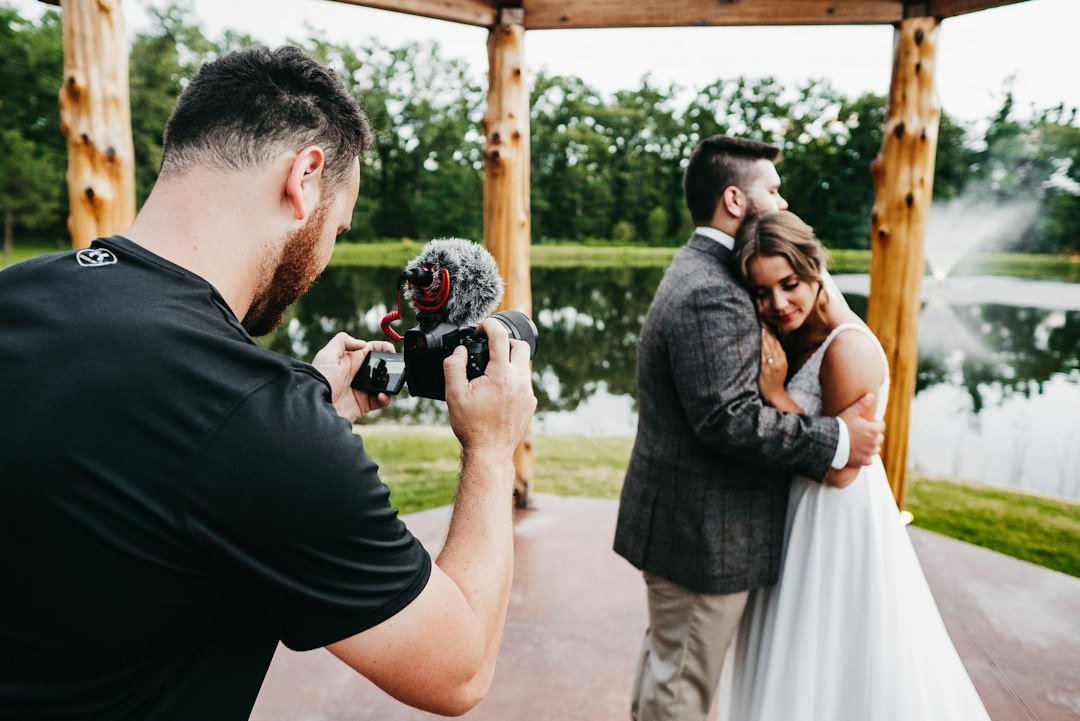
Automation Threatens Traditional Wedding Photography Workflows
For decades, wedding photographers have operated under a fundamental assumption: their craft remains fundamentally human-centered. The photographer must physically be present at the ceremony, capturing those irreplaceable moments as they unfold. Yet this long-held belief is increasingly being challenged as artificial intelligence continues to permeate virtually every aspect of the photography business ecosystem.
While the actual image capture during nuptials still requires human presence and technical expertise, the surrounding operational infrastructure is rapidly transforming. Post-production workflows, image selection processes, client marketing strategies, and administrative business functions are all becoming candidates for AI-driven solutions. Many of these tools are now accessible to practitioners at surprisingly affordable subscription price points, democratizing capabilities that were once exclusive to larger studios.
The Dual Threat: Efficiency and Displacement
The encroachment of artificial intelligence into wedding photography presents a paradox that industry professionals must grapple with. On one hand, these technologies offer genuine productivity advantages. Photographers can leverage machine learning algorithms to dramatically reduce the time spent culling thousands of images from a multi-hour event. AI-powered enhancement tools can intelligently batch-process sequences, apply sophisticated color grading, and even suggest compositional improvements—all while the photographer focuses on creative direction and client relations.
However, this same technological advancement creates a secondary concern. As automation handles increasingly sophisticated tasks, the barrier to entry for novice photographers substantially lowers. Individuals with minimal technical expertise or aesthetic training can now produce competent deliverables through algorithmic assistance, potentially undercutting experienced professionals who built their reputations through years of hands-on skill development.
Business Operations Under Algorithmic Management
Beyond image processing, AI is revolutionizing how wedding photography businesses operate fundamentally. Marketing strategies can be algorithmically optimized, client communication can be partially automated, and scheduling logistics can be intelligently managed through machine learning systems. These administrative improvements free practitioners to concentrate on their core artistic function, yet they also raise questions about the personalized service component that has traditionally differentiated boutique wedding photographers.
The proliferation of affordable AI tools means that even solopreneurs can now implement enterprise-level business systems. Booking management, client questionnaires, gallery customization, and financial tracking can all operate semi-autonomously, allowing individual photographers to scale operations without proportionally increasing overhead expenses.
Navigating the Uncertain Landscape
Wedding photographers entering this transitional period face critical decisions about technological adoption. Understanding which AI applications genuinely enhance their competitive positioning versus those that simply commoditize their offerings becomes essential strategic thinking. The most successful practitioners will likely be those who leverage automation to augment their creative capabilities while maintaining the irreplaceable human elements—empathy, aesthetic vision, and authentic client relationships—that technology cannot replicate.