Some endings arrive with a quiet logic that only makes sense in hindsight. In late December 2010, a railroad worker named Jim DeNike made the trip from Arkansas to Parsons, Kansas, carrying a dozen boxes of slides in the back of an aging maroon Pontiac. Inside those boxes were nearly 50,000 transparencies, the product of decades of photographing one subject: trains.
DeNike had sent 1,580 rolls of Kodachrome to Dwayne’s Photo, the small lab that had become one of the last places on earth still capable of processing the legendary film. The bill came to $15,798. To cover it, he drew against his father’s retirement savings. For a hobbyist, that is a remarkable commitment. For a photographer working with a film that was no longer being manufactured, it was an act of faith in the value of the images themselves.
A Film That Defined a Generation
Kodachrome debuted in 1935 and went on to shape how the world saw color. Its dense, saturated palette and exceptional archival stability made it a favorite of magazine photographers, filmmakers, and serious amateurs alike. Unlike many color films of its era, it resisted fading for decades, which is why so many family vacations and documentary projects from the mid-twentieth century still look vivid today.
Its processing, however, was never simple. Kodachrome used a complex K-14 chemical process that required specialized equipment and tightly controlled procedures. As digital capture spread through the 2000s, demand fell sharply. Kodak announced in 2009 that it would discontinue the product, and the film’s remaining lifeline depended on a handful of labs willing to keep the machinery running.
The Last Roll
Dwayne’s Photo, located in a modest Kansas town, took on that responsibility until the end. On January 18, 2011, the lab ran the final roll of Kodachrome ever processed. The milestone marked more than the closure of a single business. It signaled the close of a chemical and mechanical chapter in photographic history, one that had lasted three-quarters of a century.
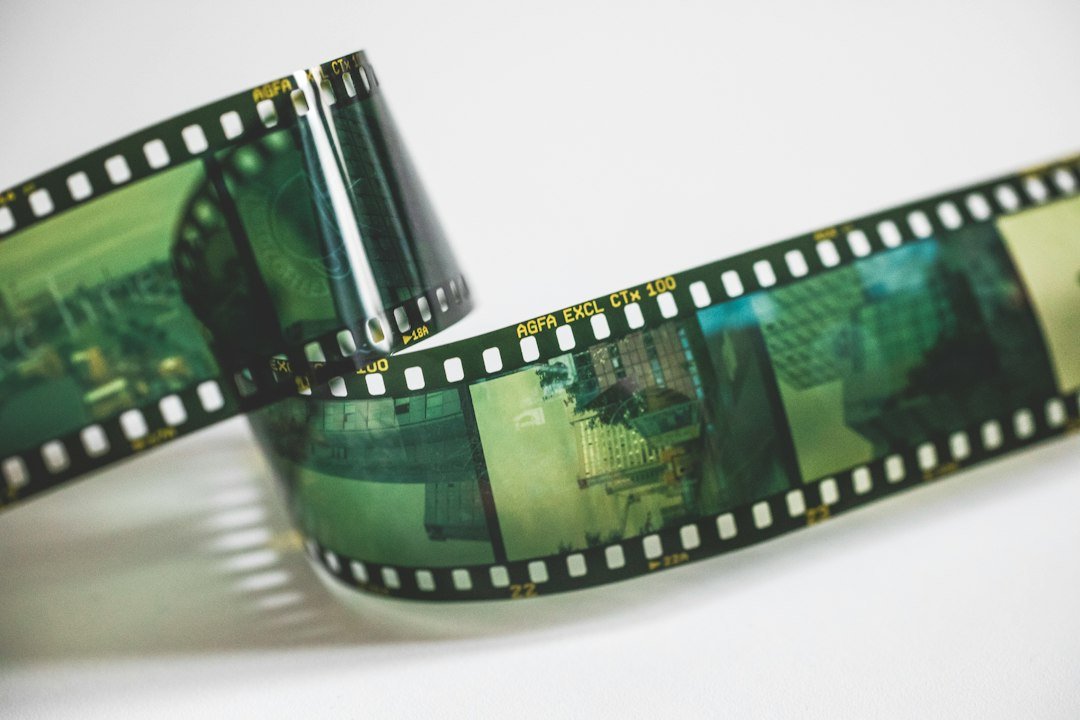
For photographers, the moment carries a particular weight. Film has a physical presence that digital files lack. Each slide is a single original, held up to a light table and examined with a loupe. DeNike’s collection, with its near-uniform subject matter, offers a kind of archive that documents not only locomotives and rail lines but also the patient, methodical eye of one man who kept returning to the same obsession.
Why It Still Matters
The story of Kodachrome’s end resonates because it illustrates a broader tension in visual culture. Digital tools have made photography more accessible than ever, yet they have also made many image formats vulnerable to obsolescence. Software changes, storage media degrade, and files go unread. Analog materials, for all their fragility, can outlast the technology used to view them, provided someone still knows how to develop and project them.
DeNike’s journey to Parsons was less about nostalgia than about preservation. He wanted his work to be seen, and he was willing to invest heavily to make sure the slides were properly processed before the option disappeared. That choice reminds today’s photographers to think carefully about how their images will survive, whether they are shot on film, captured as raw files, or stored across a dozen cloud services.
Kodachrome may no longer be produced, but its legacy continues in archives, exhibitions, and the memories of photographers who once loaded it into their cameras. The last roll processed in Parsons closed a chapter, yet the images it produced remain open to anyone willing to hold them up to the light.