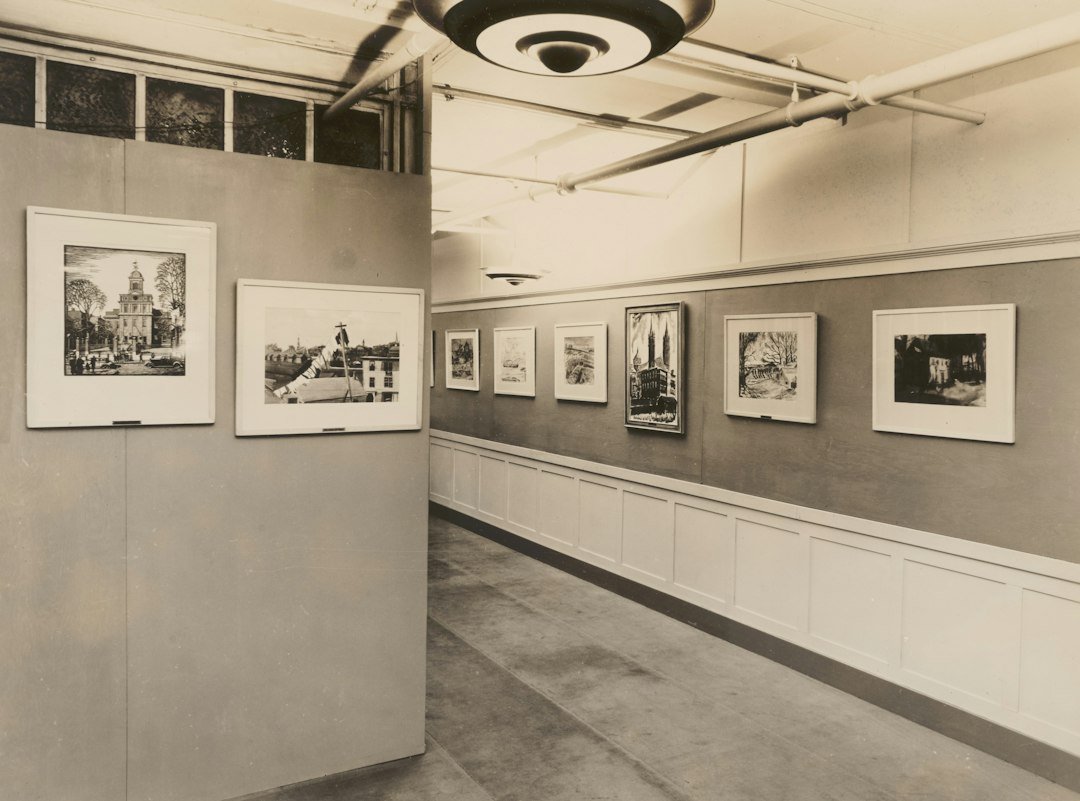
Thousands of negatives found in suitcases go on display for the first time, revealing a pioneering photographer’s hidden work. For decades, the images remained out of sight, stored away and unseen by the public. Now, a long-overlooked body of photography is finally reaching gallery walls, offering a fresh look at the career of a female artist whose contributions were largely forgotten.
A Rediscovery Decades in the Making
Negatives are fragile records. Unlike prints, which can be displayed and handled, they exist as delicate sheets of film that demand careful storage to survive. When a collection of this size surfaces intact, it is a rare event for archivists, historians, and curators. The sheer volume of material suggests a sustained, deliberate practice, the kind that documents not just individual moments but an entire way of seeing.
The exhibition brings that vision into focus. Visitors encounter work that was never widely circulated during the photographer’s lifetime, allowing the public to evaluate her compositions, tonal choices, and approach to subject matter on their own terms.
Why Negative Archives Matter
For photography professionals, the significance of this discovery extends beyond a single name. Film negatives hold the original capture, containing detail that can be lost in later reproductions. Modern conservators typically digitize negatives at high resolution, often scanning with specialized equipment to preserve grain, density, and dynamic range. This process protects the physical originals while making the images accessible for research and exhibition.
Proper archival handling also plays a central role. Negatives are generally housed in acid-free sleeves and kept in stable, cool, and dry conditions to slow deterioration. Without such care, even well-made film can suffer from base damage, emulsion decay, or fading. The fact that this collection survived in usable form underscores how much its preservation depends on chance as well as intention.
Reassessing a Historical Record
Discoveries like this one also prompt a broader reassessment of photographic history. Women working in the medium have frequently been underrepresented in textbooks, museum acquisitions, and critical writing. Each recovered archive adds to a more complete picture of who was making important images, and under what conditions.
For curators, the challenge lies in presenting unfamiliar work with context. That means documenting the photographer’s equipment and methods where possible, identifying the places and people depicted, and weighing the negatives against any surviving prints or records. Such groundwork helps audiences understand not only what the photographs show, but why they matter.
What Comes Next
As the exhibition opens, attention will likely turn to further study of the negatives, including cataloging, printing, and possible publication. For photographers and enthusiasts, the story is a reminder that a camera’s most valuable output may sit quietly in a box for years before it finds its audience. This long-delayed recognition is a chance to bring a pioneering voice back into the conversation.