Elevating Ordinary Landscapes Through Strategic Contrast Manipulation
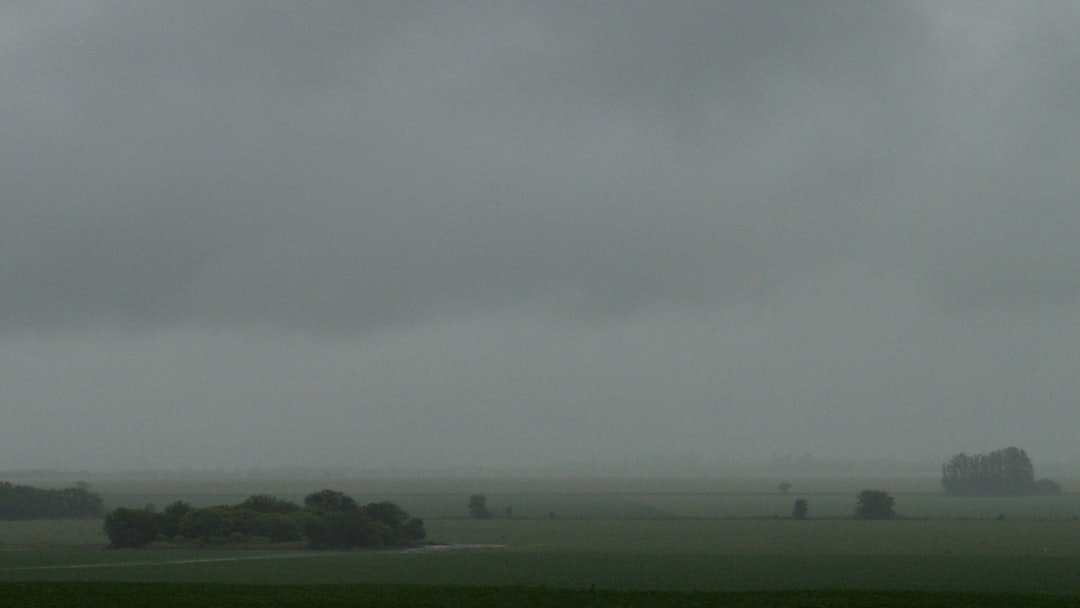
Every photographer encounters the challenge of capturing uninspiring weather conditions. A seemingly dull expanse of clouds stretching across agricultural terrain presents a common scenario that initially appears devoid of visual interest. Yet through deliberate and sophisticated post-processing techniques, such unpromising source material can metamorphose into a compelling, atmospheric composition brimming with dramatic tension and visual depth.
The transformation relies not on radical color grading or extensive manipulation, but rather on a refined understanding of how contrast functions within modern editing software. The distinction between global and localized contrast adjustments proves fundamental to achieving professional results that appear natural rather than artificially processed.
Understanding Global Versus Local Contrast Controls
Global contrast adjustments affect your entire image uniformly, redistributing tonal values across the complete frame. These foundational controls include traditional contrast sliders, curves adjustments, and overall luminosity modifications. When applied judiciously, they establish the fundamental tonal architecture upon which all subsequent refinements build.
Local contrast enhancement, conversely, operates on specific regions and tonal ranges throughout your composition. Tools such as clarity sliders, texture adjustments, and targeted shadow-highlight manipulation enable photographers to emphasize dimensional qualities within particular areas. This granular approach allows for nuanced control that prevents the flat, artificial appearance that often accompanies aggressive global adjustments.
Strategic Application for Maximum Impact
Transforming an unremarkable pastoral vista into a moody, meteorologically dramatic scene demands a methodical approach. Begin by establishing foundational tonal separation through moderate global contrast increases. This initial step creates visual breathing room between highlight and shadow regions without sacrificing mid-tone subtlety.
Subsequently, deploy local contrast techniques to selectively amplify dimensionality. Enhancing clarity in cloud formations reveals underlying texture and structure that remained invisible in the original capture. Simultaneously, deepening shadows beneath cloud masses and brightening upper atmospheric regions generates the visual hierarchy essential for commanding viewer attention.
The cumulative effect positions storm-laden skies as the dominant compositional element, while landscape elements below assume supporting roles, anchoring the scene with earthbound context that emphasizes the meteorological drama overhead.
The Philosophy Behind the Technique
This methodology exemplifies a broader principle within contemporary digital photography: restraint combined with precision yields more compelling results than excessive intervention. Rather than applying heavy-handed filters or artificial color shifts, respecting the original data while selectively refining tonal relationships preserves image authenticity while amplifying inherent visual potential.
Mastering these contrast variations represents a career-long pursuit for serious photographers, as the variables shift constantly depending on lighting conditions, subject matter, and artistic intent. However, understanding the fundamental distinction between global and local contrast manipulation provides the conceptual foundation necessary for controlled, intentional image enhancement.
Whether shooting editorial assignments, landscape commissions, or personal projects, the ability to rescue ordinary atmospheric conditions through sophisticated post-processing transforms technical limitations into creative opportunities. The next time unpromising weather threatens your shoot, remember that dramatic potential may simply be awaiting skilled contrast manipulation.