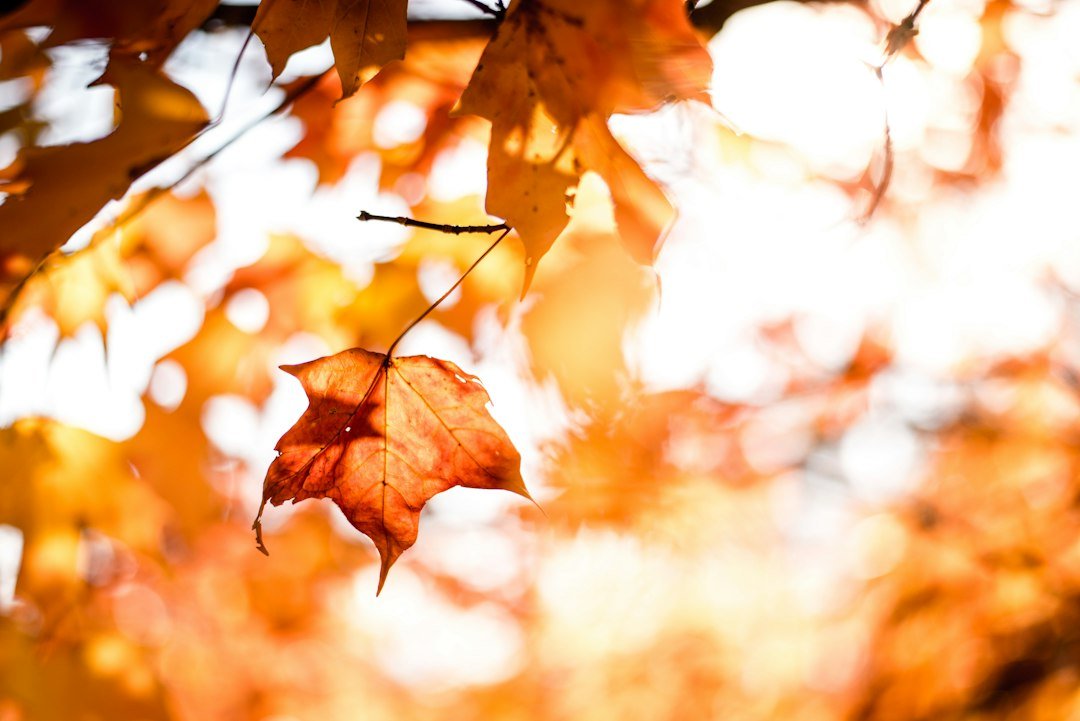
Mastering the Art of Seasonal Landscape Photography
With over two decades devoted to capturing the vibrant transformations of fall foliage, I’ve accumulated a comprehensive understanding of what separates remarkable seasonal imagery from ordinary snapshots. Having spent my formative years in the northeastern region of the United States, where autumnal displays are particularly spectacular, I developed an early passion for documenting nature’s most dramatic seasonal shift.
Throughout my journey in professional and fine art photography, I’ve discovered that achieving compelling results during fall requires far more than simply positioning yourself at the precise moment when peak color occurs. This realization fundamentally changed how I approach seasonal shoots and significantly enhanced the quality of my work across multiple dimensions.
Planning Transcends Timing
One of the most valuable insights I’ve gained involves the critical importance of comprehensive pre-shoot preparation. Rather than relying solely on phenology forecasts or color-change reports, successful autumn photographers must develop a nuanced understanding of microclimatic conditions, elevation changes, and geographic variations that influence foliage timing within specific regions.
Strategic location scouting during off-season visits allows photographers to identify optimal compositional possibilities before the landscape transforms. This preparatory work enables you to visualize how light will interact with terrain and vegetation during autumn’s specific angle and quality of illumination. Such deliberate planning transforms what might otherwise be random explorations into purposeful expeditions with higher success rates.
Composition Principles Remain Constant
While the subject matter changes seasonally, fundamental compositional principles remain equally relevant throughout the year. The rule of thirds, leading lines, layering foreground and background elements, and thoughtful frame construction all contribute to images that transcend mere documentation of color.
I’ve learned that the most compelling autumn photographs balance vibrant seasonal foliage with strong structural elements—weathered tree trunks, flowing water features, architectural elements, or geological formations. These anchoring components prevent images from becoming overwhelmed by chromatic saturation, creating visual depth and narrative complexity.
Technical Mastery Matters
Understanding exposure metering becomes particularly crucial when photographing vivid autumn landscapes. The intense pigmentation of fall leaves can deceive light meters, frequently resulting in underexposed images where brilliant colors appear muted. Bracketing exposures and utilizing histogram feedback ensures accurate capture of the dynamic range present in these scenes.
Additionally, selecting appropriate filtration—particularly polarizing filters—maximizes color saturation while reducing atmospheric haze that often obscures distant mountain vistas during autumn. The strategic use of graduated neutral density filters helps balance bright skies with darker foreground elements, a common challenge in seasonal landscape work.
Building Thematic Diversity
Perhaps most importantly, my experience has taught me that sustained artistic growth requires intentionally developing thematic variety within seasonal photography. Rather than pursuing identical compositions year after year, I’ve challenged myself to explore different formats, color palettes, photographic styles, and subject matter variations.
This commitment to innovation keeps the work fresh, prevents creative stagnation, and gradually builds a more sophisticated and commercially versatile portfolio. Each season offers opportunities to refine technique, experiment with novel perspectives, and deepen understanding of how light, color, and form interact in nature’s most colorful display.