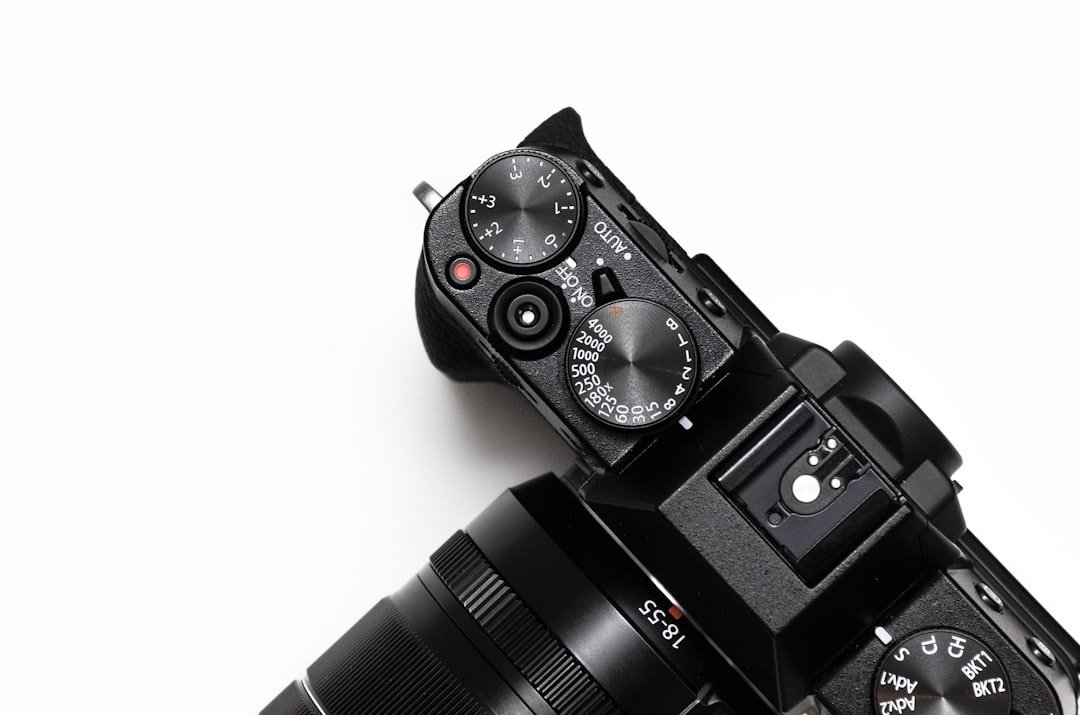
The Emerging Case for Compact Sensor Technology
In an era where megapixel counts and full-frame dominance have defined industry narratives, two compelling camera systems are challenging conventional wisdom about sensor dimensions. The Canon V1 and Panasonic Lumix L10 represent a fascinating countermovement—one that deliberately embraces more modest sensor dimensions rather than pursuing the perpetual race toward larger capture areas.
This strategic pivot toward Four Thirds proportions deserves serious consideration from working photographers and enthusiasts alike. Rather than viewing sensor downscaling as a compromise, these manufacturers are positioning compact optics as a feature-rich solution tailored to contemporary photographic demands.
Practical Advantages in Contemporary Workflows
The Four Thirds format offers tangible benefits that resonate with modern shooting scenarios. A smaller sensor footprint enables significantly more compact lens designs without sacrificing optical quality. This translates to equipment that’s genuinely portable—a substantial advantage for documentary photographers, travel enthusiasts, and hybrid content creators juggling multiple tools throughout their workday.
The optical engineering inherent to this format also delivers impressive depth-of-field characteristics and exceptional versatility across focal length ranges. Photographers gain effective magnification benefits, enabling powerful telephoto reach without the size penalties associated with traditional full-frame systems.
A Fresh Perspective on Image Quality
Contemporary sensor technology has elevated compact formats beyond their historical limitations. Modern processors, computational imaging, and advanced autofocus systems compensate for theoretical disadvantages. Resolution remains more than sufficient for professional publication standards, social media distribution, and large-format printing applications that constitute the majority of contemporary photographic output.
The Canon and Panasonic offerings demonstrate that sensor dimensions need not dictate final image character. Strategic implementation of noise reduction algorithms, improved dynamic range handling, and sophisticated color science contribute equally to professional-caliber results.
Economics and Ecosystem Considerations
Financial accessibility represents another compelling dimension. Equipment utilizing Four Thirds specifications typically command more approachable price points compared to full-frame equivalents, democratizing professional-grade capability. This economic advantage extends throughout lens portfolios, enabling photographers to assemble comprehensive optical arsenals without substantial capital expenditure.
The established Four Thirds community continues providing robust support infrastructure—a mature ecosystem encompassing extensive lens libraries, accessory compatibility, and thriving secondhand markets that benefit both new and experienced practitioners.
Evaluating Practical Fit
While full-frame systems maintain legitimate advantages for specific specializations—particularly studio portraiture and challenging low-light environments—the Four Thirds proposition merits serious evaluation. For videographers, street photographers, travel documentarians, and hybrid creatives balancing multiple formats, the Panasonic and Canon systems present genuinely compelling alternatives.
The real insight emerges when acknowledging that different photographic pursuits require different tool selections. Sensor size represents merely one variable within a complex equation encompassing ergonomics, workflow integration, optical selection, and individual priorities.
Looking Ahead
As professional imaging continues evolving, dismissing smaller sensor platforms as inherently inferior becomes increasingly untenable. The Canon V1 and Panasonic Lumix L10 exemplify how thoughtful engineering focused on practical requirements can deliver exceptional results without architectural bloat. For photographers questioning whether they genuinely require maximum sensor dimensions, these systems provide thoughtfully designed answers worthy of serious consideration.