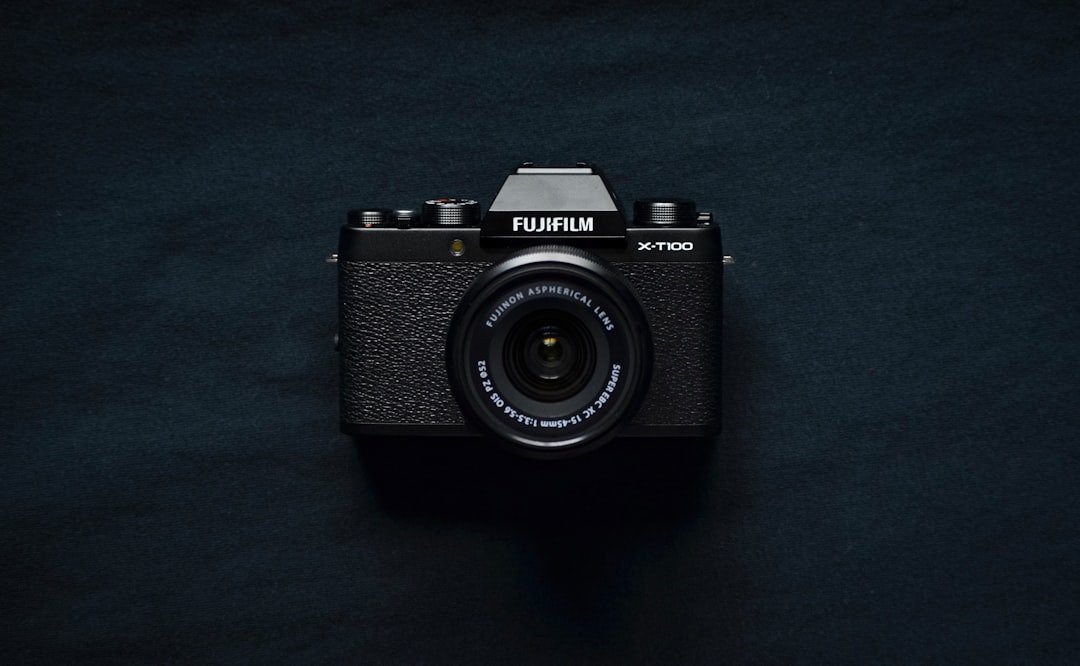
The Case for Seasoned Camera Technology
In an industry perpetually chasing the latest specifications and cutting-edge features, one photographer made a counterintuitive decision: investing in a Fujifilm camera that had already spent eight years in the market. Rather than succumbing to the pressure of contemporary releases, this creator selected a used body that retails for substantially less than its modern counterparts—and there are compelling, substantive reasons behind this choice.
The Fujifilm X-T30, released during the previous decade, remains a formidable imaging tool that continues to compete admirably against recently announced models. The decision wasn’t driven by sentimental attachment or a romanticized view of older technology. Instead, it reflects a growing recognition within the photography community that sensor advancement has reached a point of diminishing returns for many professionals and enthusiasts.
Understanding the X-Trans III Sensor Advantage
At the heart of this camera sits the X-Trans III sensor, Fujifilm’s proprietary imaging technology that fundamentally differs from conventional Bayer array sensors found in most competitors. This distinctive architecture continues to deliver exceptional image quality, robust color rendering, and impressive detail retention that satisfies demanding photographers in 2024.
The X-Trans sensor design provides several tangible benefits. Its unique pixel arrangement contributes to superior color accuracy and reduced color moire, eliminating the need for aggressive anti-aliasing filters that can compromise sharpness. For photographers working in fields ranging from portraiture to documentary work, these characteristics remain highly valuable regardless of the calendar year.
The Economics and Philosophy of Intelligent Purchasing
The financial argument holds particular weight. Modern camera bodies command premium prices with incremental improvements that often fail to translate into meaningful differences in final output for most shooting scenarios. The X-T30 represents exceptional value, offering professional-grade construction, reliable autofocus performance, and intuitive controls at a fraction of contemporary pricing.
This purchasing philosophy extends beyond mere budget consciousness. It reflects a maturing perspective within creative industries—one that prioritizes practical functionality over marketing-driven upgrade cycles. The photographer’s choice demonstrates that camera bodies from previous generations can deliver outcomes indistinguishable from current models in the majority of real-world applications.
Practical Performance in Modern Workflows
Battery technology, connectivity features, and processing speed have indeed advanced. However, for photographers prioritizing image quality and creative expression, these refinements often represent luxury enhancements rather than essential upgrades. The X-T30 maintains sufficient performance characteristics for contemporary professional demands while introducing no meaningful compromises that would impact publishable work.
The Fujifilm ecosystem—including its acclaimed lens lineup and extensive firmware support—continues functioning seamlessly. This ecological stability means purchasing an established body doesn’t relegate creators to a dying platform; rather, it connects them to a robust, active community with extensive resources and proven reliability.
Rethinking Technology Consumption
This purchasing decision ultimately challenges prevailing industry narratives. Rather than viewing older equipment as obsolete, forward-thinking photographers recognize that quality imaging tools age gracefully. The X-T30 exemplifies how thoughtful engineering and distinctive sensor architecture create lasting value in an era when meaningful generational improvements have become increasingly incremental.