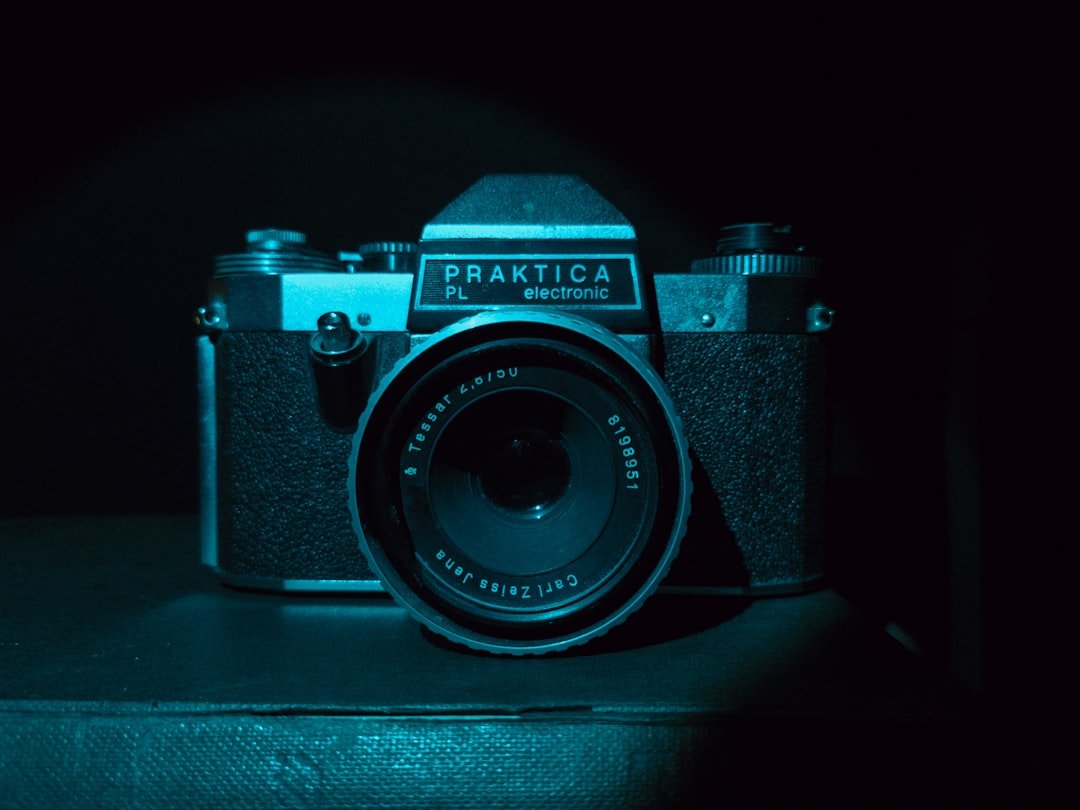
After years of working in the analog darkroom and shooting across countless rolls of film, one truth becomes abundantly clear: the difference between compelling imagery and amateurish results rarely stems from equipment limitations. Your camera body and selected emulsion are likely performing exactly as designed. Instead, the real culprit lies in a predictable series of technical and compositional missteps that plague both newcomers and experienced shooters who haven’t refined their craft.
The Equipment Isn’t Your Problem
Photographers often assume that investing in premium camera gear or seeking out rare film stocks will transform their work. This assumption couldn’t be further from reality. Whether you’re shooting with a professional SLR or a humble point-and-shoot, the fundamental principles of exposure, composition, and timing remain constant. The gap between acceptable and exceptional film photography closes through deliberate practice and critical self-evaluation, not through acquisition.
Identifying Repeatable Technical Mistakes
The most damaging errors in film photography share a common trait: they’re systematic rather than accidental. Once you recognize these patterns in your own work, correcting them becomes straightforward. The learning curve accelerates dramatically when you understand precisely what to scrutinize during the shooting process and during post-development evaluation.
Exposure management sits at the foundation of technical competence. Consistent underexposure or overexposure indicates either metering misunderstandings or failure to adjust settings for changing light conditions. Many shooters develop a reliance on their camera’s built-in meter without considering how different lighting scenarios demand compensatory adjustments. Bracketing becomes essential insurance, particularly when working with slide film’s unforgiving latitude.
Focus precision represents another critical vulnerability. Hand-held shooting at slower shutter speeds invites motion blur that degrades sharpness across the frame. Additionally, misjudging depth of field based on aperture selection results in subjects that fall outside the plane of sharp focus. Understanding hyperfocal distance and practicing manual focus techniques significantly elevates consistency.
Composition fundamentals demand continuous attention. Haphazard framing, cluttered backgrounds, and misplaced horizon lines create visual noise that diminishes impact. Weak compositions can’t be salvaged in post-processing with film the way digital photographers might recover images through editing. Every compositional choice must be deliberate before releasing the shutter.
Lighting observation separates intuitive photographers from those who remain perpetually frustrated. Rather than simply documenting whatever light exists, successful film photographers actively hunt for dimensional, directional light sources. The quality of illumination—whether harsh or diffuse, frontal or sidelit—determines whether an image communicates depth and mood or appears flat and uninspiring.
Building Sustainable Improvement
Developing a systematic approach to self-critique accelerates growth exponentially. Review your contact sheets with brutal honesty. Identify patterns in your failures alongside your successes. Which shooting conditions consistently yield strong results? Which scenarios expose technical gaps? This diagnostic process transforms every roll into valuable feedback rather than mere exposure.
The pathway to polished film photography isn’t mysterious or exclusive. It demands awareness of what constitutes sloppy technique, commitment to addressing each deficit methodically, and sufficient repetition to build reliable instincts. Your camera and film are ready whenever you are.