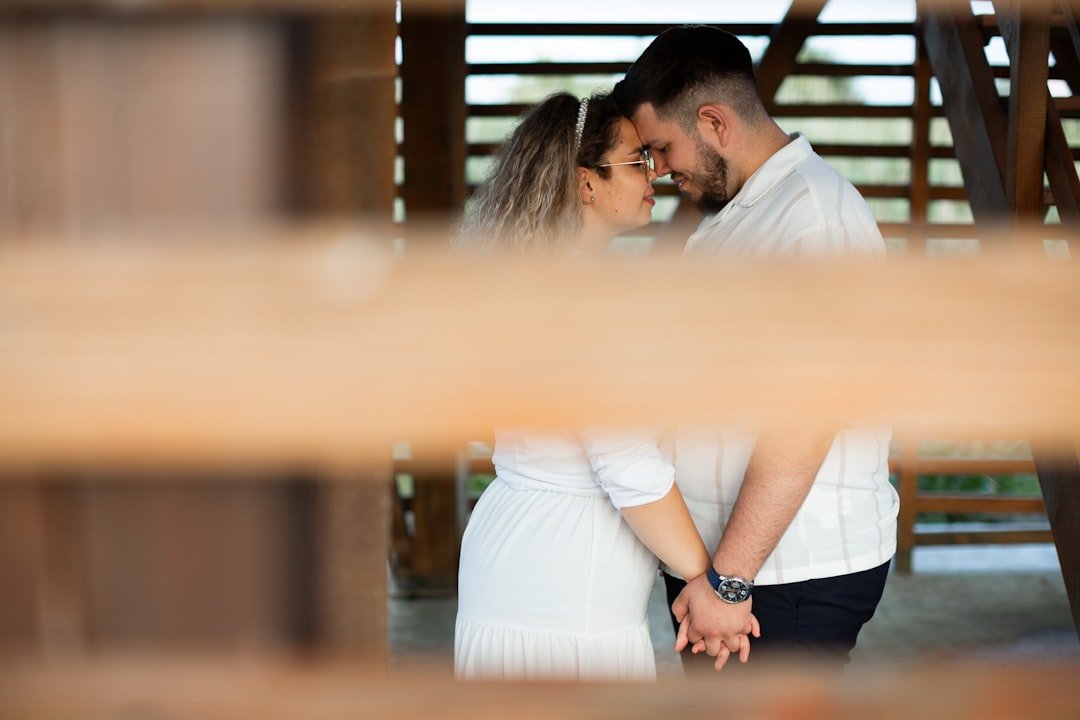
The Psychology Behind Awkward Couple Portraits
Wedding photographers often attribute unsuccessful couple sessions to technical limitations or pose selection, yet the real culprit lies elsewhere. The fundamental issue stems from directorial approach and mindset—not camera settings or positioning techniques. How you communicate, engage, and guide your subjects through the session determines whether the final images convey authentic connection or visible tension.
Most photographers focus extensively on mechanics: perfecting angles, optimizing lighting ratios, or mastering compositional rules. While these technical foundations matter, they represent only half the equation. The other half involves psychological direction and the ability to create an environment where couples feel genuinely comfortable expressing emotion in front of the lens.
Understanding Client Psychology During Sessions
Couples experience heightened self-awareness during portrait sessions. They’re acutely conscious of their positioning, facial expressions, and how they appear relative to their partner. This hyperawareness manifests as tension in the shoulders, forced smiles, and awkward body language that no amount of repositioning corrects. The disconnect between their internal experience and external presentation creates visibly strained imagery.
Professional photographers recognize that directing sessions requires shifting from a technical mindset to an interpersonal one. Instead of viewing couples as subjects to pose, experienced shooters approach them as collaborators in creating meaningful visual narratives. This philosophical reorientation fundamentally changes how direction flows throughout the shoot.
Reframing Your Directorial Philosophy
Rather than issuing commands about where to position hands or how to angle bodies, successful wedding photographers engage in genuine conversation. They ask questions about how the couple met, what makes them laugh together, or what they appreciate most about each other. This conversational framework naturally relaxes subjects and shifts focus from self-consciousness to authentic interaction.
Movement facilitates comfort more effectively than stillness. Encouraging couples to walk, twirl, or embrace while you photograph creates opportunities for genuine moments. These organic interactions often yield superior images compared to static posed portraits, as couples become absorbed in their movements rather than scrutinizing their appearance.
Building Confidence and Trust
Your demeanor directly influences client confidence. Projecting uncertainty or constantly adjusting positioning communicates doubt and undermines trust. Conversely, displaying assured, calm direction creates a safe space where couples feel secure expressing vulnerability. Offering specific, encouraging feedback—highlighting what’s working rather than what requires adjustment—reinforces positive momentum.
The tone you establish during initial consultations carries through to session day. When couples understand your vision and feel genuinely heard regarding their preferences and concerns, they arrive more relaxed and receptive to direction.
Practical Implementation Strategies
Begin sessions with simpler activities before progressing to formal poses. This warm-up period allows couples to acclimate to your presence and camera equipment. Use music that resonates with the couple’s personality to establish emotional tone. Encourage them to focus on each other rather than the camera lens, creating a shared experience rather than a performance.
The distinction between posing and directing represents a crucial professional evolution. Posing implies rigid external manipulation, while directing suggests collaborative storytelling. When photographers embrace this philosophical shift, their wedding portfolios transform, reflecting couples who appear genuinely connected and at ease.