FIFA Implements Photography Access Changes Following Coaching Staff Feedback
International football’s governing body has made significant adjustments to its photojournalist positioning protocols for the upcoming 2026 World Cup tournament, responding to concerns raised by England’s manager Thomas Tuchel regarding the visual composition of pre-match ceremonial moments.
The decision represents a notable shift in how FIFA manages the interaction between sports photography operations and the sacred pre-match national anthem tradition. Tuchel had expressed dissatisfaction with how the presence and positioning of camera operators was affecting the visual presentation and emotional atmosphere surrounding the anthemic performances, describing certain instances as detrimental to the overall broadcast and stadium aesthetic experience.
Understanding the Photography Logistics Challenge
Sports photography at the World Cup level involves extraordinarily complex coordination between multiple stakeholder groups. Professional photographers and videographers require optimal sightlines to capture the dynamic moments that define international matches. However, this operational necessity sometimes conflicts with ceremonial protocols and the need to maintain focused, undistracted moments that hold significant cultural meaning for participating nations.
The traditional positioning of press photographers during national anthems places operatives in key strategic locations around the pitch perimeter, typically in designated pit areas that provide comprehensive visual coverage. This arrangement, while essential for capturing the athletes’ expressions and crowd reactions, can create visual clutter and obstruction when viewed through broadcast cameras or from spectator perspectives in the stadium.
New Protocols for Enhanced Presentation
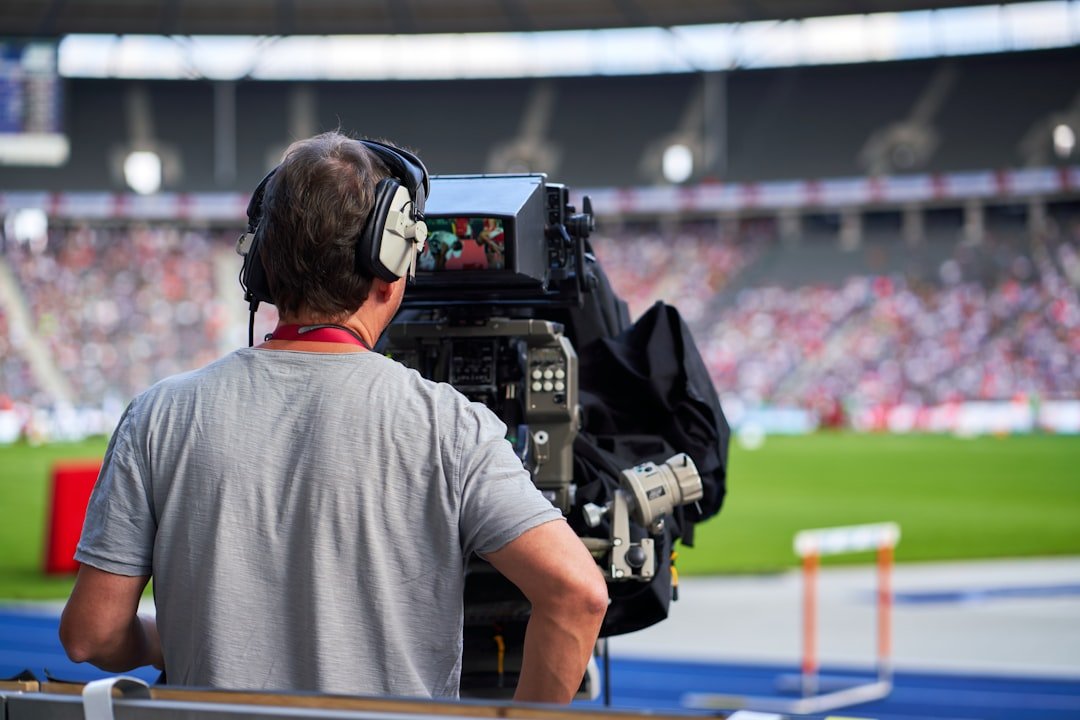
Under the revised framework for 2026, FIFA has committed to repositioning photojournalists and broadcast camera crews during the anthem segments of matches. This adjustment aims to minimize visual interruptions while still ensuring that professional media operations can document these ceremonial moments effectively.
The solution demonstrates the ongoing evolution of event management in major sporting productions. Organizers must continuously balance the legitimate needs of the international press corps—whose coverage generates essential documentation and promotional content—against the desire to present ceremonial moments with clarity and dignity.
Industry Implications
This decision carries broader significance for sports photography professionals worldwide. It underscores the growing influence that head coaches and administrative figures exercise over media access and positioning at elite competitions. While photographer positioning protocols are typically established well in advance of major tournaments, this intervention highlights how direct feedback from high-profile stakeholders can prompt operational revisions even late in planning cycles.
Professional sports photographers have consistently navigated challenging constraints regarding access, positioning, and timing throughout their careers. The World Cup represents one of the most demanding assignments in the industry, with photographers competing fiercely for premium vantage points while adhering to increasingly complex credential and movement restrictions.
Looking Forward
The 2026 World Cup in the United States, Canada, and Mexico will serve as a testing ground for these revised protocols. FIFA’s willingness to implement such changes demonstrates commitment to enhancing the overall production quality and ceremonial experience, while hopefully maintaining the documentation standards that stakeholders across the broadcast and media landscape expect from world football’s premier competition.