Ahead of its November 17 global debut in Paris, Xiaomi’s latest flagship duo, the 18 Pro and 18 Pro Max, has already made its way into our hands. Following a Chinese unveiling on September 24, these handsets arrive with a clear emphasis on photography, pairing Leica-tuned imaging with a secondary display on the back. Here is an early look at what stands out so far.
A Camera Setup Built on Large Sensors
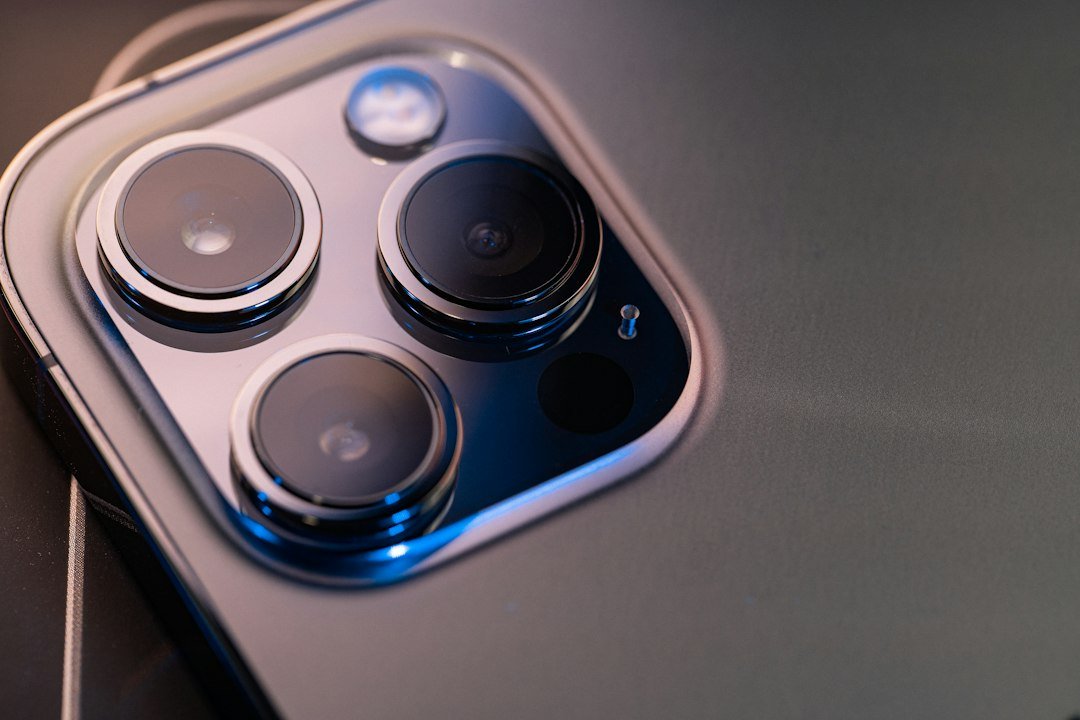
Both models carry a 200MP main camera built around a Type 1/1.28 LOFIC sensor measuring 74.4mm², a substantial sensor footprint for a phone. The telephoto lens also uses a 200MP sensor, a Type 1/1.56 unit at 50mm². The ultrawide camera drops to a 50MP Type 1/2.88 sensor (18.6mm²). The Pro Max differentiates itself with a larger front and rear display along with a faster processor. For the full spec sheet, Xiaomi’s original announcement remains the best reference.
A Maroon Finish and a Rear Screen
The Pro Max’s maroon colorway will inevitably draw comparisons with Apple’s flagship, yet the rear display is where Xiaomi’s design truly diverges from the competition. Compact as it is, the secondary panel looks polished and lets users glance at notifications and key information with the phone resting face down.
Why the Rear Display Matters for Creators
For video creators, the rear screen could prove especially useful. Self-filming with a phone typically means choosing between the lower-quality front camera and an awkward rear setup where the framing is hard to judge. Here, the rear display lets the photographer record with the higher-quality main camera while still monitoring the frame. The phones also offer fairly comprehensive camera controls on that smaller screen, so settings can be adjusted without reaching around to the main display.
Early Impressions of Image Quality
It is too early to pass judgment on image quality. Initial test shots show the familiar character of modern smartphone photography, with computational processing shaping the final look. Xiaomi includes two Leica-developed color profiles, Vibrant and Authentic, alongside a Leica Master Portrait mode, giving users stylistic options straight out of the box.
Practical Touches in the Interface
One detail that stands out is the dedicated shortcut to the 200MP mode at the bottom of the camera app. Since the phones do not default to full-resolution capture, having that option within easy reach saves time over digging through menus when extra detail is needed.
Our impressions are preliminary, and a longer period of testing over the coming weeks will be needed before reaching firm conclusions on performance, particularly in low light and across the zoom range. For now, the dual-screen design and Leica collaboration give the 18 Pro line a distinct identity in a crowded flagship market.