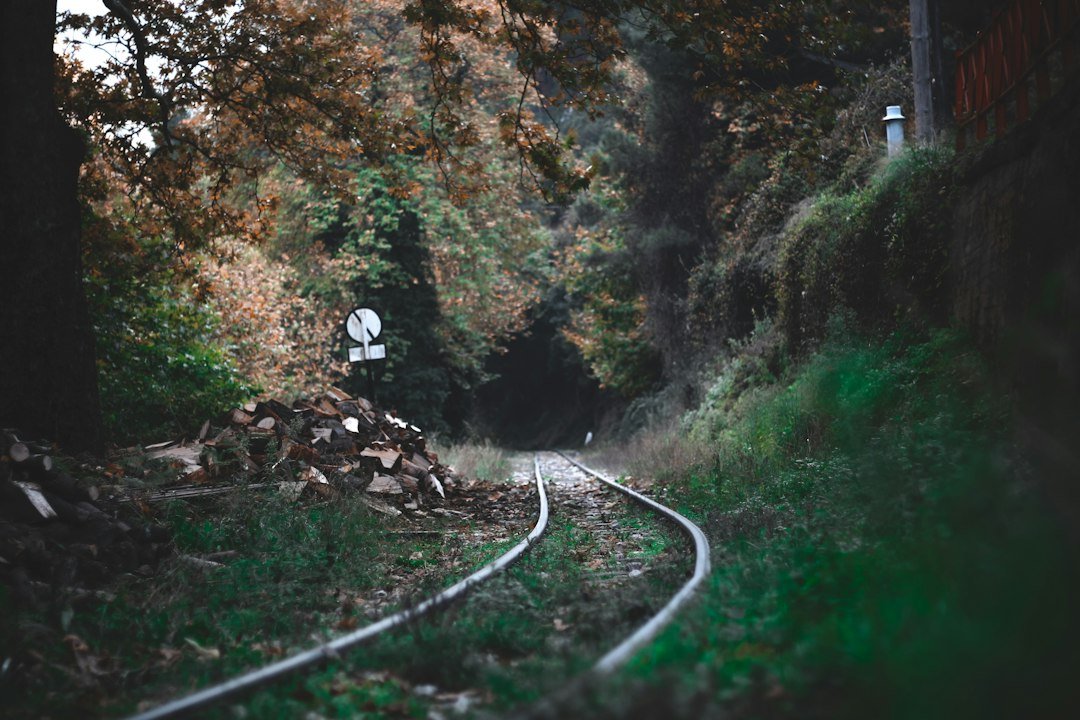
Dangerous Pursuit of the Perfect Shot Leads to Arrest
A 23-year-old photography enthusiast from Japan found himself in legal trouble after taking extreme measures to capture what he believed would be a compelling railway image. The incident, which resulted in property damage and disruption to critical infrastructure, highlights the growing tension between artistic vision and public safety in the photography community.
According to law enforcement reports, the young man used a chainsaw to fell a tree that he perceived as obstructing his desired composition. His objective was straightforward from a compositional standpoint—removing a foreground obstacle to achieve an unobstructed view of passing trains. However, the execution of this plan had unforeseen and serious consequences.
Infrastructure Damage and Safety Concerns
When the tree fell, it made contact with overhead communication lines that serve the regional transportation network. This damage disrupted essential connectivity infrastructure, affecting not only the railway system but potentially countless residents and businesses relying on these vital services. The incident quickly escalated from a photography mishap to a matter of public infrastructure damage.
The case raises important questions about the boundaries of acceptable behavior in pursuit of compelling imagery. While photography communities worldwide have long celebrated adventurous and unconventional approaches to image-making, there remains a critical distinction between calculated risk-taking and reckless endangerment.
A Cautionary Tale for Content Creators
For the broader photography and visual content creation industry, this incident serves as a stark reminder of professional ethics and legal responsibilities. Professional photographers operate under established codes of conduct that explicitly prohibit destruction of property and interference with public infrastructure. Even enthusiast photographers and social media content creators benefit from understanding these boundaries.
The pursuit of viral or striking imagery has become increasingly competitive, particularly on platforms where railway photography and landscape compositions generate significant engagement. However, legitimate railway photography is conducted through proper channels—obtaining permissions, using designated viewing areas, and respecting both private property and public safety protocols.
Professional Standards and Best Practices
Established photographers working in the railway and transportation sectors understand the importance of planning, location scouting, and obtaining necessary permissions well in advance. Professional composition involves working within existing environmental constraints rather than fundamentally altering the landscape. Techniques such as lens selection, positioning, timing, and post-processing offer countless ways to achieve compelling results without resorting to destructive measures.
This incident also underscores why insurance, permits, and liability considerations form the backbone of professional photography practice. These aren’t merely bureaucratic hurdles—they exist specifically to prevent situations like this one.
As the photography industry continues evolving with increased accessibility to quality equipment and distribution platforms, conversations about responsibility and ethics become increasingly important. Whether capturing infrastructure, landscapes, or transportation subjects, photographers at all levels must prioritize safety and legality alongside artistic vision.