The Foundation of Professional Portrait Photography
The difference between amateur snapshots and polished, publication-ready portraits often comes down to a single factor: lighting control. While composition, exposure, and subject interaction all matter tremendously, how light sculpts the human face remains the cornerstone of compelling portraiture. Whether you’re setting up an elaborate studio environment or maximizing available light in a modest home setting, mastering fundamental light configurations empowers photographers to consistently produce flattering, dimensionally rich images across diverse subjects and shooting conditions.
Why Standard Lighting Patterns Matter
Professional photographers worldwide rely on established lighting frameworks because they work. These time-tested arrangements emerged from decades of studio practice, each solving specific aesthetic challenges while remaining adaptable to different face shapes, skin tones, and creative visions. Learning these foundational patterns provides you with a technical vocabulary and a structured approach to problem-solving when facing lighting challenges during shoots.
The Four Cornerstone Lighting Setups
Every accomplished portrait photographer maintains command over four primary lighting arrangements. Each pattern creates distinctly different mood, dimension, and visual impact—giving you flexibility to match lighting to your creative intent and subject requirements.
The first configuration emphasizes dramatic dimension through strategic shadow placement, creating compelling contrast that sculpts facial features. The second approach balances light more evenly across the face, producing approachable, professional results ideal for corporate and editorial work. The third pattern introduces pronounced shadows on one side while maintaining visibility in shadowed areas, offering sophisticated character definition. The fourth technique maximizes illumination on the subject’s back and sides while controlling frontal light, producing distinctive separation from backgrounds and contemporary visual flair.
Implementing These Patterns in Your Work
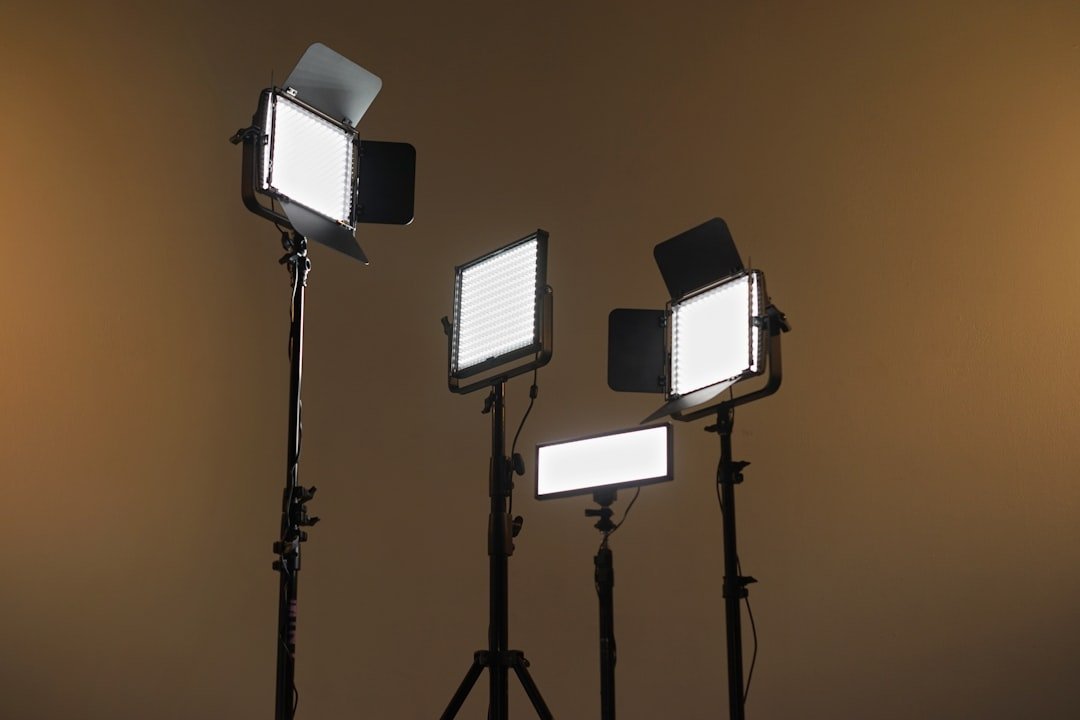
Understanding each pattern’s technical components—light source positioning, distance, intensity, and modifier choices—allows you to recreate results intentionally rather than accidentally. Whether you employ studio strobes, continuous LED panels, or natural window light, these same principles apply. The key involves recognizing how light direction fundamentally transforms facial contours and shadows.
Beginners often benefit from starting with consistent, repeatable setups before experimenting with variations. This methodical approach builds intuitive understanding of how light behaves and how subtle adjustments alter final results. As confidence grows, you’ll develop personal variations reflecting your distinctive aesthetic vision.
Moving Beyond the Basics
While these four patterns provide reliable starting points, professional advancement involves understanding the underlying principles governing light behavior. This knowledge enables you to improvise effectively when working with non-standard spaces, adapt techniques to unconventional face shapes, and blend patterns for hybrid approaches.
Investment in quality light modifiers—softboxes, beauty dishes, reflectors, and diffusers—significantly impacts your ability to control light precisely. Even modest equipment choices dramatically improve image quality compared to bare bulb sources.
Building Your Lighting Confidence
Developing mastery requires consistent practice and thoughtful observation. Study how professional photographers light their portraits. Experiment extensively with your own setups, documenting configurations and results for reference. Over time, these patterns become intuitive rather than formulaic, enabling you to light subjects expressively while maintaining technical excellence.