Breaking New Ground in Space Photography
The Artemis II mission represents a watershed moment for both space exploration and documentary photography. The crew aboard this groundbreaking expedition will venture into uncharted territory, reaching distances from our home planet that exceed all previous human missions. As they navigate the trajectory around the Moon’s far side, these astronauts will simultaneously capture unprecedented visual documentation of both our celestial neighbor and Earth itself from vantage points never before achieved by humankind.
Documenting History from the Cosmos
From a photojournalistic perspective, the Artemis II mission offers an extraordinary opportunity to witness and record humanity’s return to lunar exploration. The imaging equipment aboard the spacecraft has been meticulously selected and calibrated to document this ambitious undertaking with precision and artistic merit. Professional photographers and imaging specialists have spent countless hours preparing equipment specifications and compositional guidelines to ensure that every frame tells the story of this pivotal moment in aerospace history.
Technical Imaging Considerations
Space photography presents unique technical challenges that differ dramatically from terrestrial or even low-Earth orbit imaging. The extreme conditions—including intense radiation, temperature fluctuations, and the harsh vacuum environment—demand specialized camera systems with exceptional durability and optical performance. The photographic equipment must maintain calibration and color accuracy while operating in environments where conventional camera behaviors become unreliable.
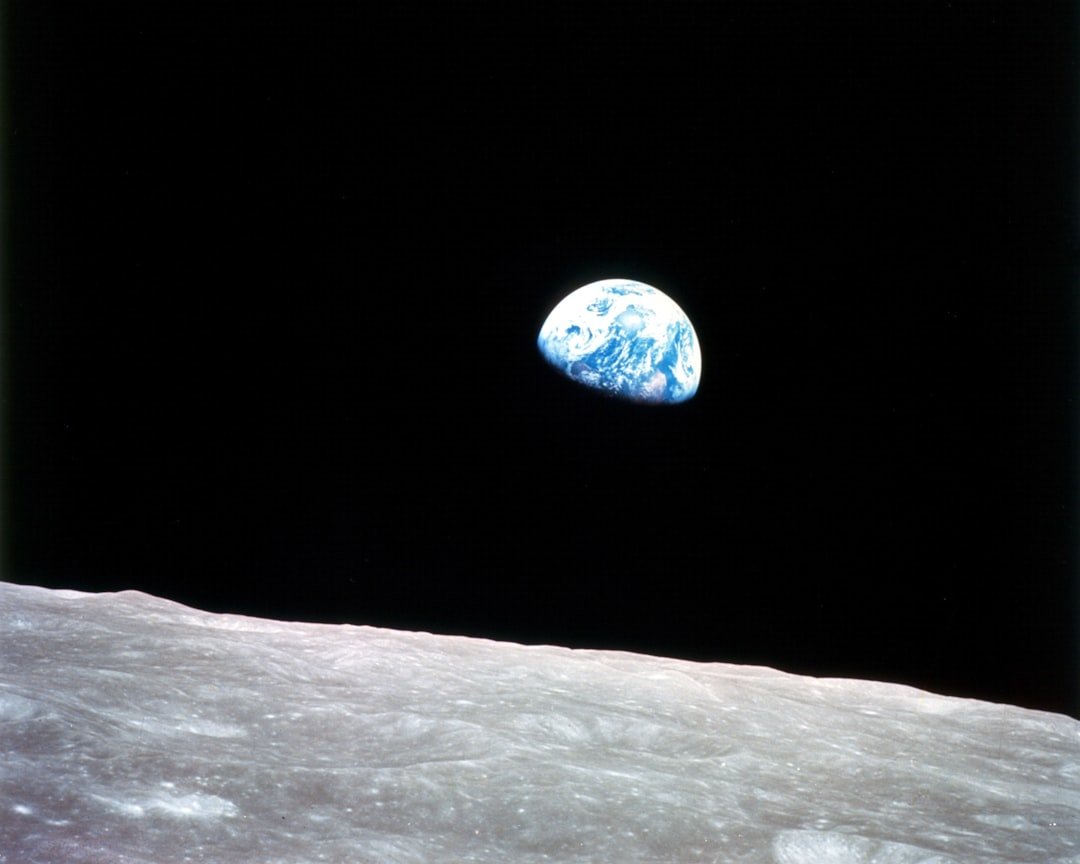
The visual perspective from this trajectory offers something qualitatively different from previous lunar missions. The particular vantage point as the spacecraft traverses the far side of the Moon presents compositional opportunities that previous imaging campaigns could not explore. Earth, suspended in the cosmic void with the lunar surface below, creates a powerful juxtaposition that resonates with both scientific documentation and artistic expression.
The Significance for Space Photography
This mission underscores the continuing evolution of space-based imaging technology. As camera manufacturers and aerospace engineers collaborate on increasingly sophisticated optical systems, we witness the intersection of commercial photography innovation and government space exploration objectives. The lenses, sensors, and processing systems developed for space applications often eventually influence consumer and professional photography markets.
The historical weight of Artemis II cannot be overstated. The imagery captured during this expedition will serve as visual documentation for generations, much like the iconic photographs from previous Apollo missions continue to inspire and captivate audiences decades later. The aesthetic and technical quality of these images matters significantly, as they represent humanity’s cumulative knowledge and ambition.
Looking Forward
The photographic records from Artemis II will undoubtedly influence how we visualize space exploration going forward. Whether you’re a photography enthusiast, space exploration advocate, or simply someone who appreciates stunning visual documentation, the images returned from this mission promise to deliver remarkable perspectives on humanity’s place in the universe. The coming weeks will reveal photographs that push the boundaries of what we thought possible to capture from the cosmos.