A Long-Term Commitment to Capturing Conservation Conflict
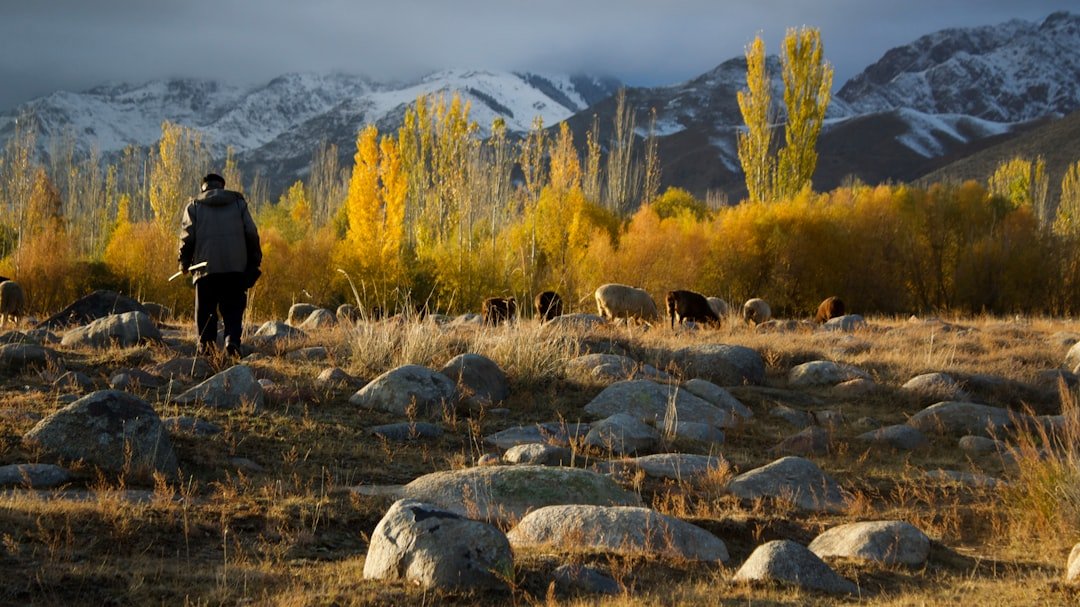
When photographer Luke Oppenheimer embarked on what he envisioned as a brief documentary assignment in early 2021, little did he anticipate that his expedition would evolve into a multi-year immersive project. His destination: the dramatic peaks of the Tien Shan range spanning central Kyrgyzstan, specifically the isolated settlement of Ottuk, where pastoral communities have maintained their traditional livestock-herding practices for generations.
The initial scope called for a single month of field work documenting the escalating tensions between regional wolf populations and local shepherds defending their flocks—a story of ecological complexity and human survival that demanded visual storytelling. However, the narrative’s depth and the relationships Oppenheimer cultivated with the remote community prompted him to extend his stay far beyond the original timeline.
Wildlife Photography Meets Socioeconomic Documentation
From a technical photography perspective, Oppenheimer’s project represents a sophisticated approach to environmental storytelling. Working in one of Central Asia’s most challenging environments, he had to balance the demands of wildlife capture—requiring specialized lenses and rapid autofocus capabilities—with intimate portraiture documenting the daily lives of pastoral families facing genuine economic hardship.
The Tien Shan’s extreme climate and rugged terrain present formidable obstacles for any documentary photographer. Elevation, unpredictable weather patterns, and limited infrastructure demanded equipment versatility and exceptional problem-solving skills. Long-form assignments of this nature require not just technical mastery but also deep empathy and cultural sensitivity.
Understanding the Bigger Picture
The wolf predation issue in Kyrgyzstan reflects broader conservation challenges facing developing nations. As wildlife habitats shrink globally, predator-livestock conflicts have intensified, creating a genuine dilemma: how do communities sustain themselves while coexisting with endangered species? Oppenheimer’s lens captures this nuanced conflict without reducing it to simple villains and heroes.
By remaining embedded within Ottuk’s community throughout his extended assignment, Oppenheimer transcended typical assignment photography. Rather than parachuting in for predetermined shots, he developed the contextual understanding necessary for authentic visual journalism. His commitment parallels the tradition of great photographic essays that require patience, return visits, and genuine relationship-building.
The Value of Sustained Narrative Photography
This project exemplifies why long-form documentary photography remains vital in contemporary media. Quick assignments can capture moments; sustained engagement reveals patterns, relationships, and the intricate reality of how people navigate survival in remote regions. Oppenheimer’s willingness to pivot from initial plans demonstrates professional adaptability—recognizing when a story demands deeper investigation than originally conceived.
His work contributes valuable documentation to conversations about wildlife management, pastoral economics, and climate-driven ecological shifts affecting mountain communities worldwide. Such visual investigations require the kind of commitment and rapport-building that transforms photography from mere image-capture into meaningful cross-cultural exchange and storytelling.