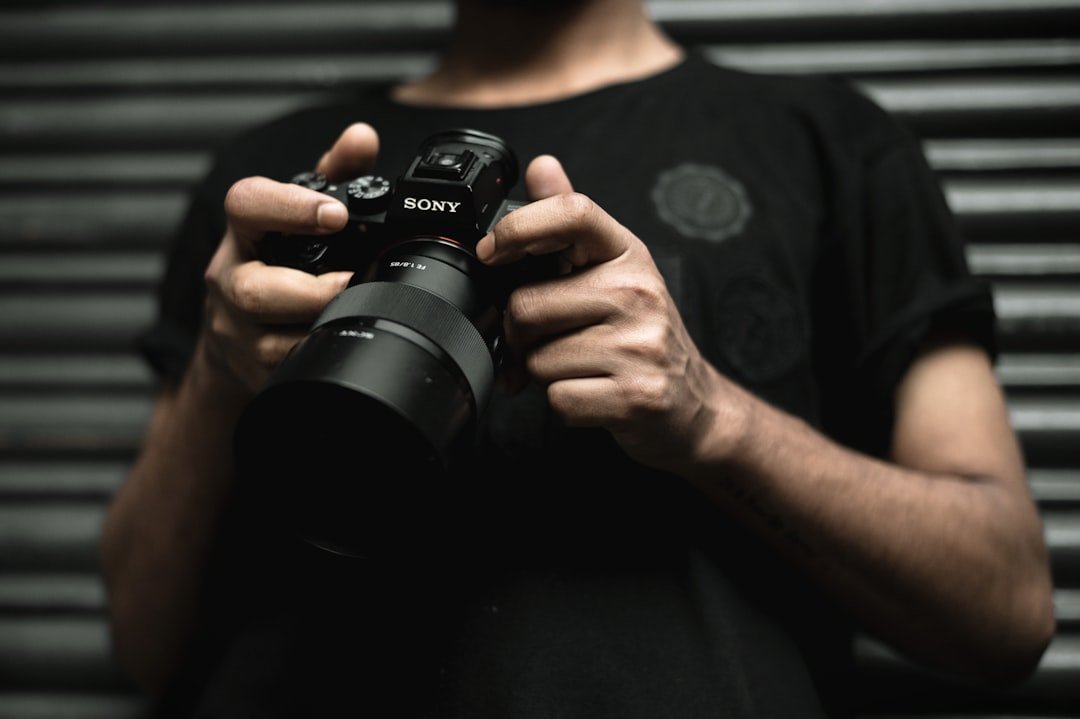
Moving Beyond Marketing Claims: A Practical Assessment
The Sony a7 V has dominated industry conversations and camera forums since its launch, earning considerable attention among both professionals and enthusiasts. However, translating manufacturer specifications into tangible performance during demanding commercial assignments tells a markedly different story than what marketing materials suggest.
When a camera system enters a professional workflow—handling client deadlines, demanding lighting conditions, and high-volume shooting schedules—its true capabilities become apparent. This examination explores how the a7 V performs when pushed through the crucible of real-world commercial work, rather than controlled laboratory conditions or promotional scenarios.
Performance Under Pressure
Extended sessions with professional assignments reveal nuances that standardized testing cannot capture. The autofocus system, for instance, demonstrates impressive capabilities in controlled environments, but real-world variables introduce complexity. Fast-moving subjects, challenging lighting situations, and split-second timing requirements expose both strengths and limitations of the camera’s focusing algorithms.
Battery endurance becomes particularly critical during full-day commercial shoots. While Sony’s specifications promise respectable longevity, actual shooting patterns—combining video recording, continuous autofocus operation, and electronic viewfinder usage—consume power more rapidly than theoretical estimates suggest. Professional practitioners typically maintain multiple fully-charged battery packs, a necessity that impacts workflow consideration.
Build Quality and Reliability Assessment
The a7 V’s construction quality stands up admirably to the physical demands of professional deployment. Weather sealing protects against the environmental challenges photographers encounter on location assignments. The magnesium alloy chassis provides reassuring durability, though practitioners should acknowledge that no camera truly qualifies as truly rugged without appropriate precautions.
The ergonomic design warrants particular attention. Extended holding periods during portrait sessions or event coverage benefit from the well-contoured grip and balanced weight distribution. Customizable button assignments prove invaluable for streamlining operation during fast-paced assignments where fumbling with menus costs precious moments.
Image Processing and Workflow Integration
The sensor’s performance in diverse lighting circumstances—from overexposed bright conditions to underlit interior venues—demonstrates impressive dynamic range. Sony’s color science continues evolving through firmware updates, giving professionals confidence in long-term relevance of their investment.
Post-processing demands require consideration. While the a7 V generates technically proficient files, the volume of high-resolution imagery from extended shooting sessions significantly impacts storage infrastructure and processing timelines. Professionals must budget accordingly for increased hard drive capacity and more demanding computational requirements.
Comparative Value Proposition
Within the premium hybrid camera category, the a7 V occupies a compelling position. Its combination of stills capability, video performance, and autofocus reliability creates compelling justification for serious professionals evaluating system investments. However, no camera suits every photographer, and individual priorities substantially influence whether this system represents optimal value.
Conclusion
The a7 V merits its reputation as a capable professional tool. Beyond the frequently discussed specifications, real-world deployment confirms this camera system delivers reliable performance for demanding assignments. Success requires understanding both its capabilities and limitations, then building professional workflows accordingly.