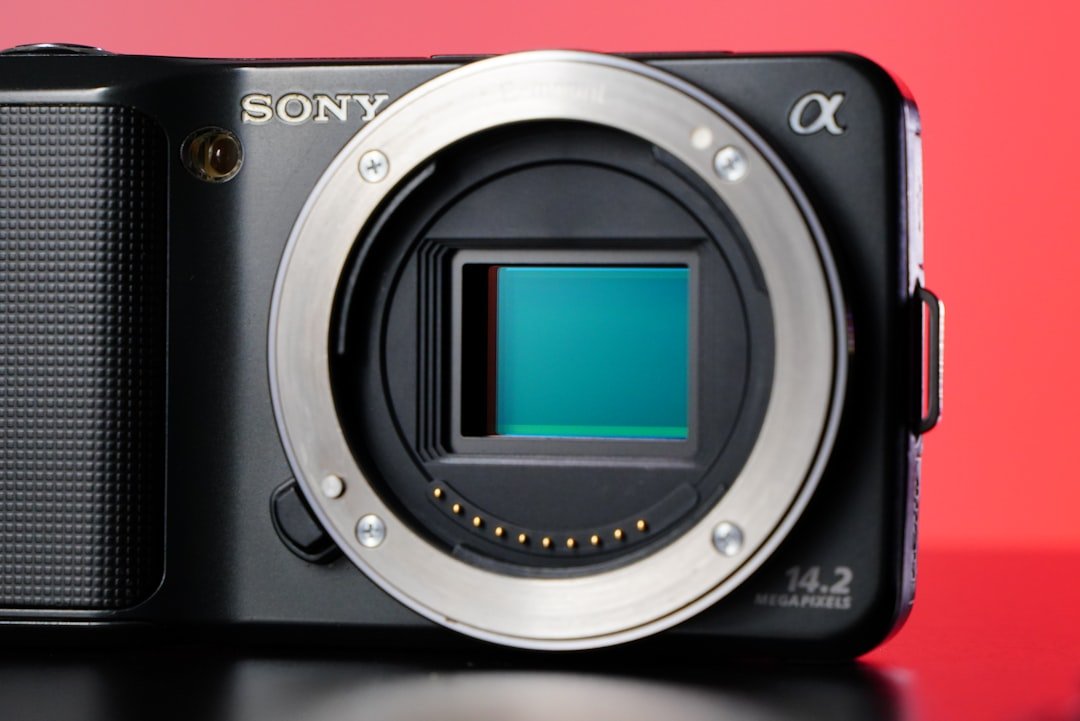
Chasing Numbers: The Hidden Cost of Megapixel Obsession
The photography industry has long been captivated by a seemingly straightforward metric: megapixel count. Camera manufacturers continue to engineer increasingly high-resolution sensors, with 40+ megapixel models now commonplace across professional and enthusiast markets. Yet this technological arms race raises a critical question that photographers of all skill levels should consider: does raw resolution actually improve the final output?
The Resolution-Reality Gap
Professional photographers and imaging scientists have increasingly documented a troubling disconnect between sensor specifications and practical results. A 45-megapixel camera doesn’t automatically produce superior prints compared to a capable 24-megapixel body. This disconnect stems from multiple technical and practical factors that manufacturers rarely emphasize in marketing materials.
When photographers examine actual output—whether fine art prints, commercial assignments, or exhibition-quality work—the relationship between megapixel count and image quality proves far more nuanced than specifications suggest. Print dimensions, viewing distance, lens quality, and post-processing expertise often matter significantly more than sensor resolution alone.
Beyond the Sensor: The Limiting Factors
Several variables constrain whether additional megapixels translate to measurable improvements. Lens quality remains paramount; even exceptional sensors cannot overcome optical limitations. Diffraction effects become increasingly problematic at smaller apertures, while optical imperfections are magnified at higher magnifications. Additionally, ISO performance and dynamic range typically represent more valuable characteristics for working photographers than incremental resolution increases.
Storage and workflow considerations present practical challenges that often escape discussion. Higher-resolution files demand substantially more hard drive space, processing power, and editing time. These productivity costs accumulate significantly in professional environments, where throughput directly impacts profitability.
Print Size and Practical Applications
Most professional assignments and personal projects don’t require extreme resolution. A 24-megapixel sensor provides exceptional detail for standard print sizes up to 24×36 inches at professional quality standards. Beyond these dimensions, diminishing returns become apparent, with quality dependent increasingly on other factors rather than pixel density.
Commercial photographers working for publications, advertising agencies, and design firms rarely find limitations with mid-range megapixel bodies. Web delivery, which dominates contemporary visual consumption, requires far less resolution than maximum sensor capabilities.
The Economic Reality
Consumers caught in marketing narratives often purchase high-megapixel cameras that exceed their actual requirements. This represents not merely unnecessary expense but also a distraction from more impactful investments—quality lenses, lighting equipment, and skill development typically yield superior results than marginal sensor upgrades.
A Balanced Perspective
Megapixel count matters within appropriate contexts. Commercial fashion, architectural, and fine art photography may benefit from enhanced resolution. However, for most working professionals and enthusiasts, current mid-range specifications prove entirely adequate. The photography industry would benefit from shifting focus from specifications toward fundamental principles of composition, lighting, and technical execution that genuinely determine image excellence.