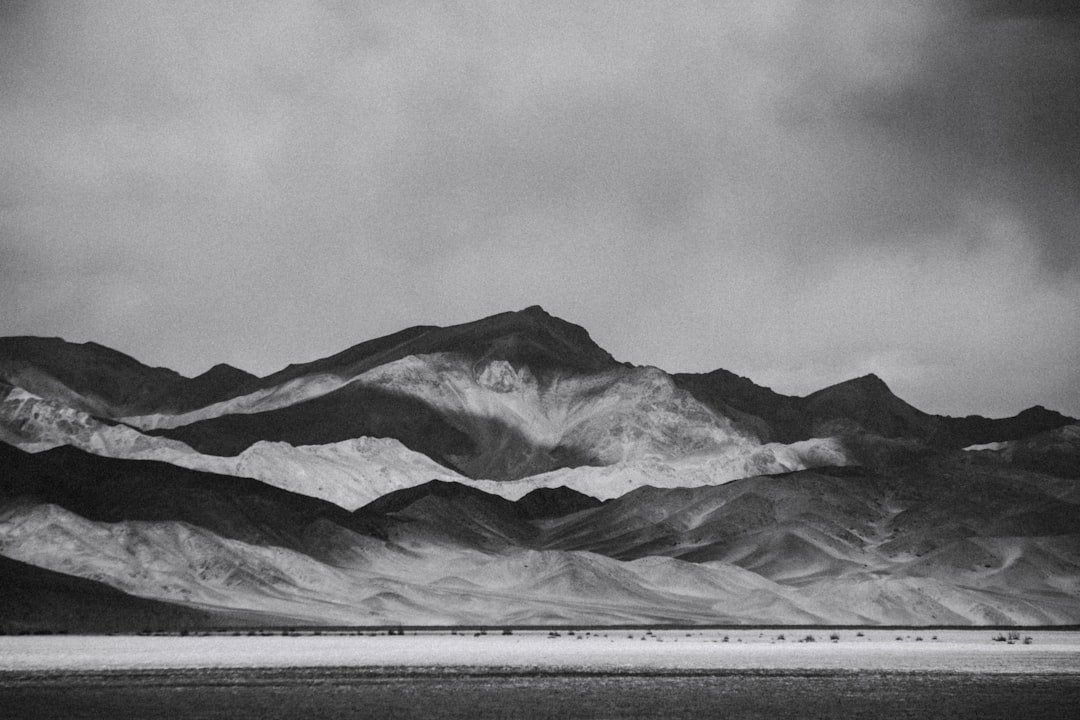
A Lifetime Project Spanning the Nation’s Geographic and Cultural Landscape
Documentary photographer Carol Highsmith has dedicated her career to creating an exhaustive visual chronicle of the American experience, capturing imagery across all fifty states since the 1980s. Her prolific body of work represents one of the most comprehensive photographic surveys of contemporary United States geography, architecture, culture, and society ever assembled by a single photographer.
Over four decades of continuous fieldwork, Highsmith has amassed approximately 100,000 photographs that collectively form a remarkable testament to American diversity. From urban centers to remote rural communities, her images document everything from landmark infrastructure and natural landscapes to candid moments of everyday life. This sweeping collection provides researchers, educators, and visual artists with an invaluable resource for understanding how America’s physical and cultural environments have evolved across recent decades.
Preservation Through Public Access
Recognizing the historical significance of her archive, Highsmith made the strategic decision to donate her complete collection to the Library of Congress, the nation’s premier custodian of cultural materials. This generous contribution ensures permanent preservation of the work while making it accessible to the general public, scholars, and creative professionals worldwide.
The library has made Highsmith’s entire portfolio available under Creative Commons licensing, which fundamentally democratizes access to high-quality documentary imagery. This licensing framework allows researchers, educators, journalists, and designers to utilize the photographs for legitimate purposes while maintaining appropriate attribution and respecting the photographer’s vision.
Interactive Navigation of a Geographic Survey
To enhance usability of this massive collection, the Library of Congress has developed an interactive mapping interface that allows users to explore Highsmith’s photographs geographically. Rather than navigating through traditional database structures, researchers can now pinpoint specific locations and discover related images organized by region, state, or locality. This innovative presentation method transforms the archive into an engaging tool for visual research and discovery.
The interactive platform represents how cultural institutions are adapting to contemporary expectations for digital engagement. By implementing geographic visualization tools, the library has created an intuitive entry point for diverse audiences—from academic researchers conducting regional studies to photographers seeking inspiration and reference material.
Professional and Cultural Impact
Highsmith’s systematic approach to documentary photography aligns with established methodologies in long-term visual anthropology and architectural documentation. Her commitment to comprehensive geographic coverage establishes a valuable benchmark for documentary practice while providing future generations with a detailed snapshot of twenty-first-century American environments.
For the photography community, this archive offers substantial reference material for understanding compositional approaches to landscape and documentary work. The collection demonstrates how sustained commitment to a singular vision—documenting an entire nation—can yield culturally significant results while remaining accessible to broader audiences.
The combination of Highsmith’s meticulous fieldwork, the Library of Congress’s institutional stewardship, and the development of user-friendly discovery tools illustrates how traditional archives can remain relevant in the digital age. Her legacy demonstrates that documentary photography continues to serve essential functions in cultural preservation and historical documentation.