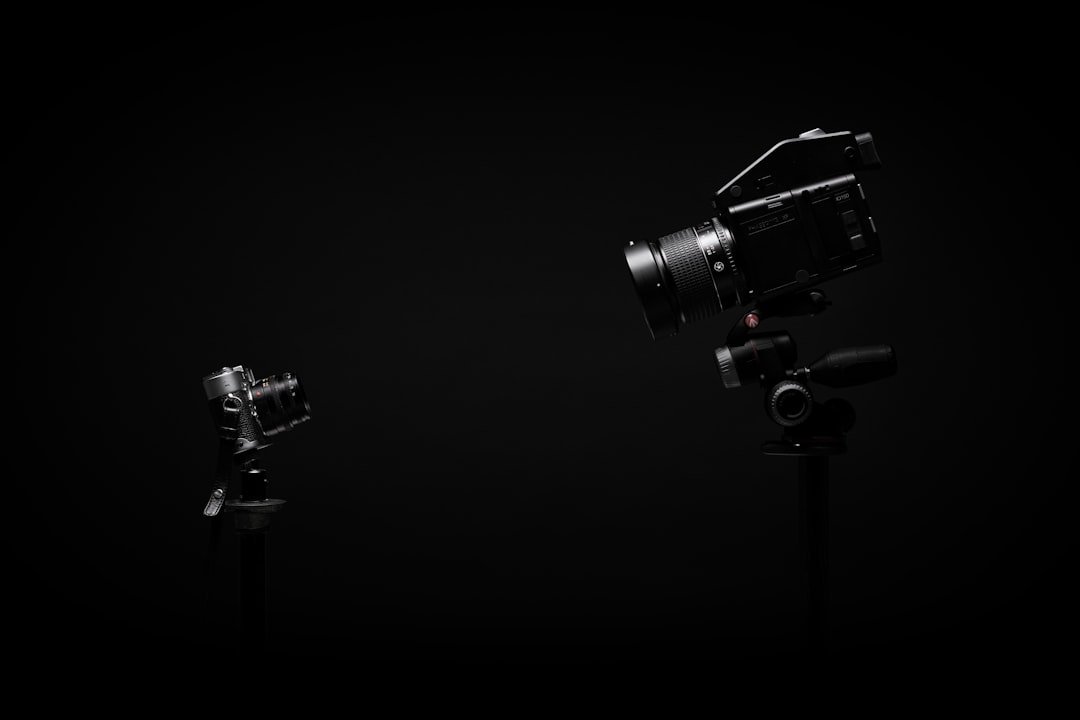
Decoding the $1,500 Compact Camera Market
The premium compact camera segment has become increasingly competitive, with manufacturers vying for the attention of photographers seeking portable yet capable imaging solutions. Two notable contenders in this category are the Panasonic Lumix L10 and the Fujifilm X100VI, both positioned at the $1,500 price point. Understanding their respective strengths and design philosophies becomes essential for discerning buyers navigating this crowded marketplace.
Panasonic’s Approach: Feature-Rich Design
Panasonic’s offering leverages a 26-megapixel Micro Four Thirds sensor paired with a permanently mounted Leica-certified zoom optic. This combination reflects the manufacturer’s commitment to delivering comprehensive functionality within a compact form factor. The extensive feature set suggests Panasonic’s philosophy centers on versatility and user flexibility, potentially overwhelming photographers seeking straightforward, minimalist operation.
The Micro Four Thirds ecosystem provides inherent advantages, particularly regarding lens compatibility and established workflows for users already invested in this platform. However, the fixed-lens approach simultaneously constrains creative possibilities compared to interchangeable systems, presenting a fundamental trade-off between portability and optical flexibility.
Evaluating the Competitive Landscape
At this price tier, prospective buyers encounter numerous alternatives that demand careful comparison. The Fujifilm X100VI represents a distinctly different design philosophy, emphasizing refined simplicity and distinctive rendering characteristics. Where Panasonic emphasizes computational versatility, Fujifilm prioritizes optical excellence and film simulation aesthetics derived from its analog photography heritage.
The decision between these platforms extends beyond specification sheets. Sensor technology, color science, autofocus performance, and ergonomic implementation all contribute meaningfully to real-world satisfaction. Professional photographers often find that specifications alone provide insufficient guidance for equipment selection.
Practical Considerations for Buyers
Build quality, weather sealing, and long-term support represent critical evaluation criteria often overshadowed by megapixel counts. The Lumix L10’s comprehensive feature integration may appeal to versatile shooters requiring adaptability across diverse scenarios, while minimalist photographers might find greater satisfaction in more streamlined alternatives.
Battery life, interface intuitiveness, and firmware update frequency deserve consideration alongside headline specifications. Professional experiences with both systems reveal that operational comfort often matters more than peripheral feature abundance.
The Broader Context
This competitive segment continues evolving as smartphone imaging capabilities advance and mirrorless systems become increasingly accessible. The viable compact camera market now primarily serves niche audiences: photographers valuing optical excellence over digital versatility, enthusiasts preferring mechanical simplicity, and professionals requiring dedicated backup systems.
Determining whether Panasonic’s ambitious specification approach outperforms Fujifilm’s refined minimalism ultimately depends on individual priorities. Neither manufacturer has definitively solved the portable photography equation—they’ve simply approached it through distinctly different lenses.
Interested buyers should prioritize hands-on evaluation and sample image assessment before committing significant investment. The superiority of either system remains deeply contextual, dependent upon photographic style, subject matter, and personal operational preferences rather than objective superiority.