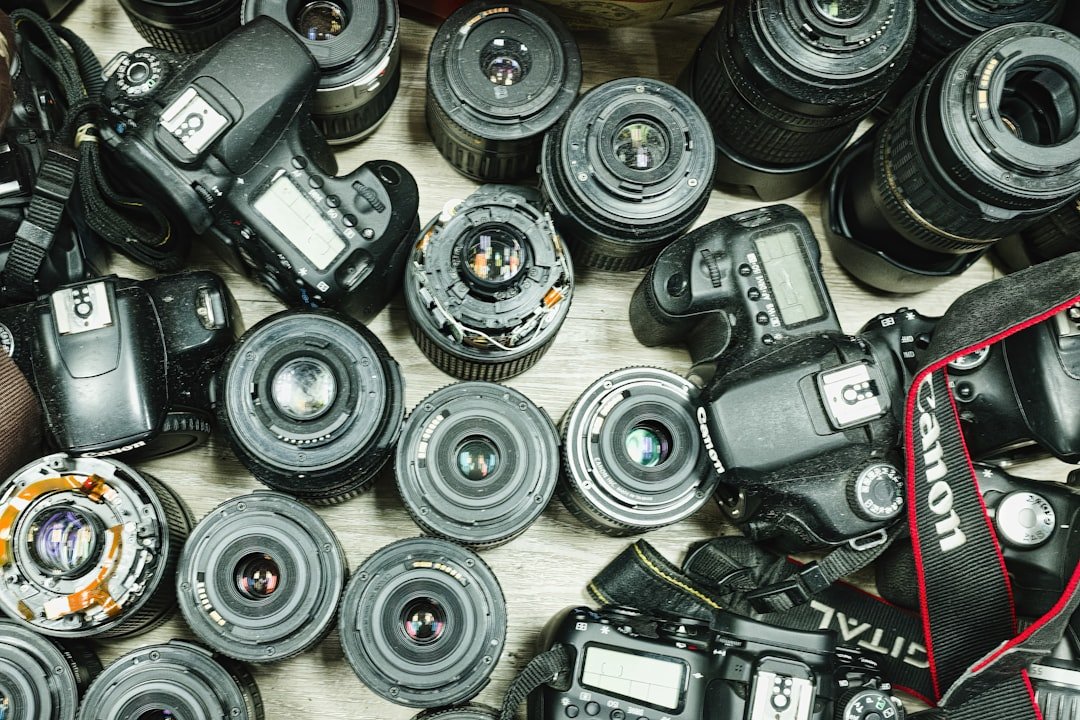
The Paradox of Today’s DSLR Marketplace
The digital imaging landscape is experiencing a fascinating contradiction. While manufacturers report a significant contraction in new DSLR unit shipments throughout 2025, the secondary market for these established camera systems demonstrates remarkable resilience and continued vitality.
Industry data reveals that new DSLR shipments have experienced considerable erosion, declining from approximately 950,000 units in 2024 to roughly 680,000 units in the current year. This substantial 28% year-over-year drop reflects broader trends affecting the camera manufacturing sector, including the sustained migration toward mirrorless technology and smartphone photography dominance.
Why Used DSLRs Remain in High Demand
Despite these challenging conditions for new equipment sales, the refurbished and pre-owned DSLR ecosystem continues to perform with unexpected strength. This phenomenon reveals critical insights about photographer behavior and market dynamics that extend beyond simple supply-and-demand mechanics.
Affordability and Value Proposition
Used DSLR cameras present an increasingly attractive entry point for emerging photographers, enthusiast hobbyists, and professionals seeking backup equipment. As new camera prices remain elevated, budget-conscious practitioners are discovering that previous-generation DSLRs deliver exceptional image quality at substantially reduced price points. Models from established Canon EOS and Nikon D-series lineups continue commanding active buyer interest, particularly among those unwilling to commit significant capital to mirrorless systems.
Proven Reliability and Ecosystem Support
The maturity of DSLR platforms represents another compelling advantage in the used marketplace. These systems benefit from extensive lens libraries, established accessory networks, and well-documented support communities. Photographers already invested in legacy glass and complementary equipment naturally gravitate toward used bodies that maintain compatibility with their existing collections.
Professional and Educational Applications
Educational institutions and independent educators continue purchasing used DSLRs for curriculum delivery and hands-on training. These organizations prioritize cost efficiency while maintaining technical standards, making pre-owned professional-grade equipment an ideal solution. Similarly, professional photographers managing diverse shooting requirements appreciate the financial advantages of used gear for specialized applications or experimental projects.
Market Implications and Future Outlook
This divergence between new and used markets reflects a maturation phase within digital imaging. The DSLR isn’t disappearing—it’s transforming into an established technology serving specific constituencies. Manufacturers face intensified pressure to innovate and differentiate new offerings, while the used marketplace absorbs demand from price-sensitive and pragmatic practitioners.
Online marketplaces and specialized camera retailers have streamlined used equipment transactions, reducing friction and building confidence among secondary market buyers. Certification programs and transparent condition grading have elevated the professionalism of pre-owned sales channels, attracting participants who might otherwise hesitate purchasing used imaging equipment.
What This Means for Photographers
The current environment presents genuine advantages for those seeking quality imaging tools without premium price tags. Used DSLR availability suggests sustained long-term support, spare parts accessibility, and continued software updates from manufacturers protecting their installed base. For many photographers, this represents rational economics rather than technological compromise.
As the industry continues consolidating around mirrorless platforms, the used DSLR market will likely maintain strength for years to come, serving as an accessible gateway into serious photography while supporting professional workflows that have proven the technology’s enduring capabilities.