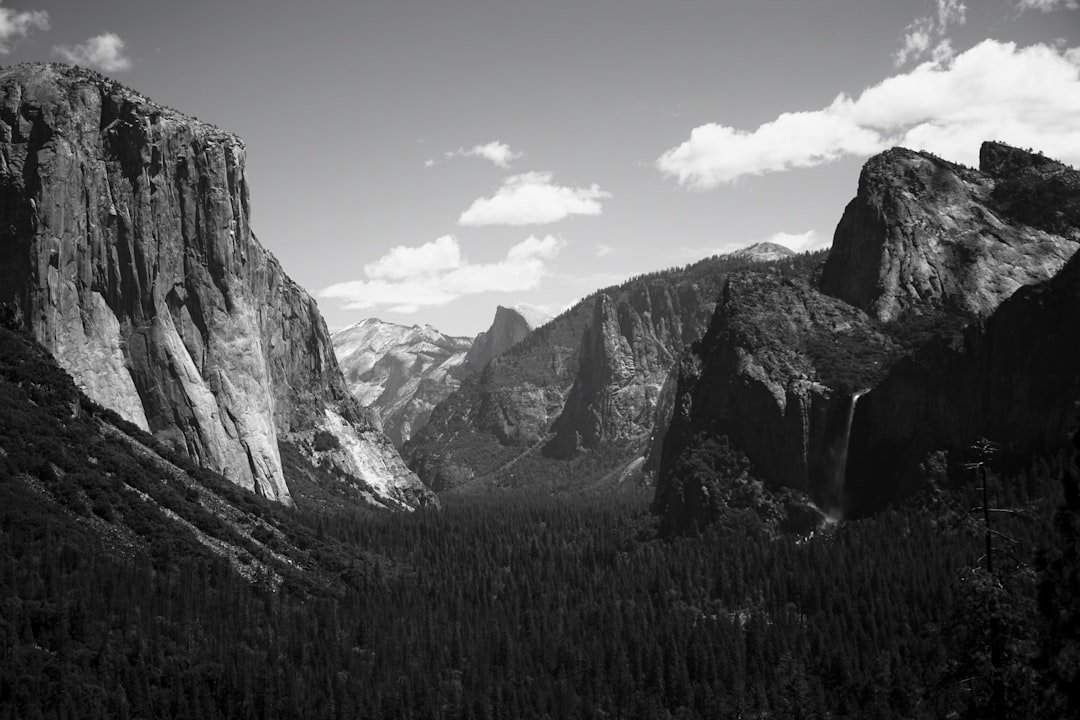
Iconic Landscape Photography Enters Murky Legal Territory
The intersection of artificial intelligence and photographic heritage has become the latest flashpoint in a heated debate about artistic integrity, copyright, and the responsibilities of commercial galleries. A prominent Manhattan-based gallery created controversy by processing one of history’s most recognizable landscape photographs through an AI colorization algorithm, then marketed the resulting digital artwork at a prestigious photography exhibition with a $10,000 price tag.
The photograph in question was created by Ansel Adams, the legendary American photographer whose monumental works have defined landscape and environmental photography for generations. Adams’ mastery of black-and-white film processing, his pioneering use of the zone system, and his environmental activism have secured his position as one of the medium’s most influential practitioners.
Unauthorized Manipulation Raises Questions
What distinguishes this incident is not merely the act of reinterpreting an existing image, but rather the absence of authorization and notification. The Ansel Adams Trust, the organization responsible for stewarding the photographer’s legacy and managing intellectual property rights, was neither consulted nor informed about the project. When representatives of the Trust subsequently discovered the work at the photography fair and requested its removal, the gallery allegedly declined to comply with the request.
This development highlights an increasingly complex challenge facing the photography world as AI technology becomes more accessible and sophisticated. Museums, estates, and rights holders struggle to establish protocols for how classic works might be ethically engaged with using generative and manipulative AI tools.
Broader Implications for the Industry
The situation underscores fundamental questions about artistic ownership, consent, and the boundaries between homage and appropriation in the digital age. While image reinterpretation has long been part of photographic practice, the ease with which AI can now transform original works raises new legal and ethical considerations that existing copyright frameworks may not adequately address.
Photography institutions, galleries, and technology companies are increasingly recognizing the need for clearer guidelines. The tension between fostering innovation and respecting the intentions of original creators—particularly in cases of deceased artists with established legacies—remains unresolved across the industry.
For collectors, institutions, and photographers themselves, this incident serves as a reminder that the digital age requires vigilance in protecting intellectual property and negotiating the complex relationships between technology, commerce, and artistic heritage. How the photography community addresses these emerging challenges will likely shape how future generations encounter and interact with photographic masterworks.