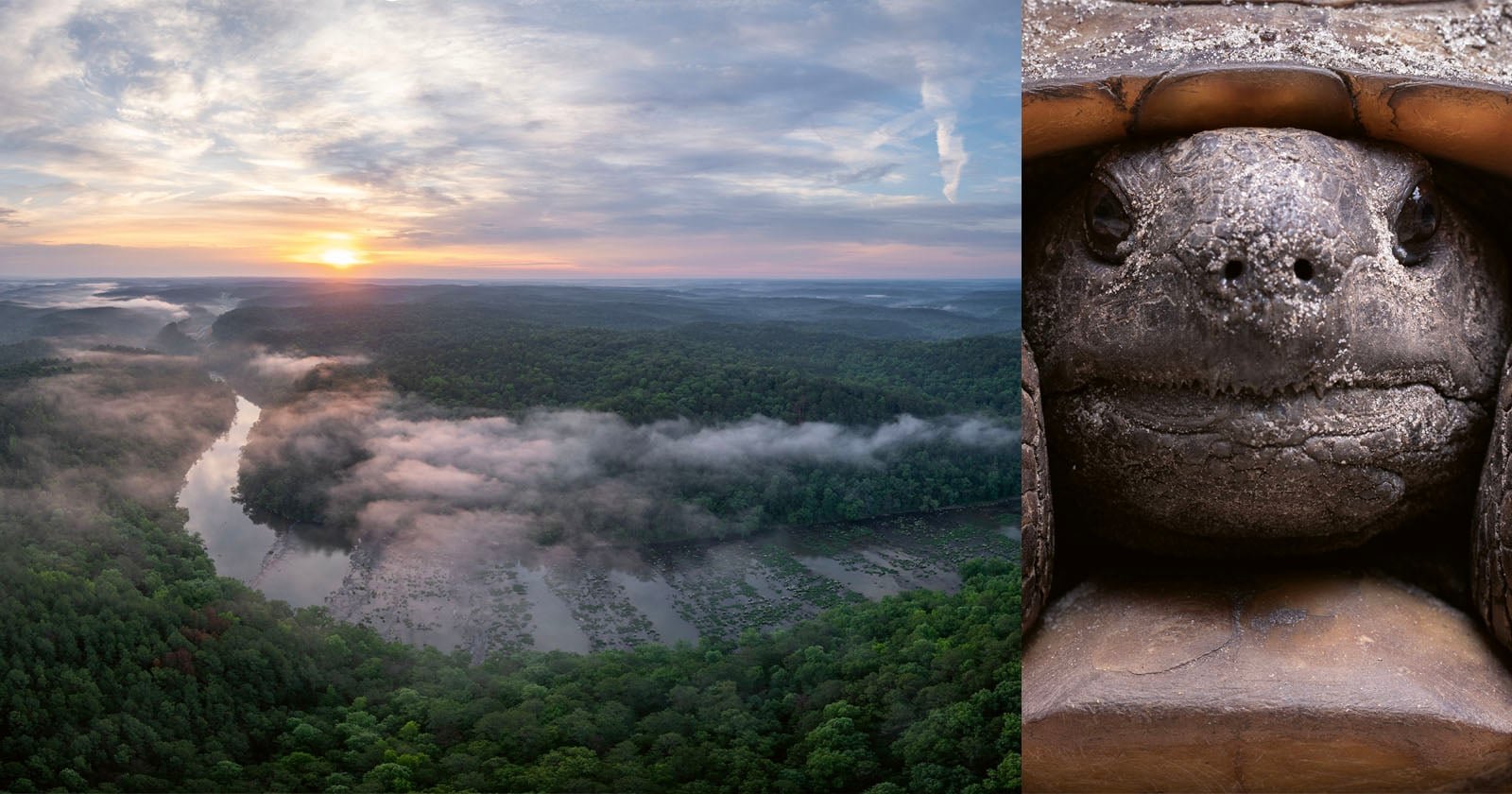
America’s Hidden Rainforest Under the Lens
While many photographers venture to distant continents seeking pristine wilderness, one of North America’s most biodiverse regions remains relatively overlooked. Nestled across the southeastern United States, a sprawling ecosystem of old-growth forests and extensive wetland systems rivals tropical environments in ecological complexity and species richness. This region, often compared to South American rainforests due to its remarkable biodiversity, represents a critical conservation frontier.
Mac Stone, an accomplished visual documentarian, has dedicated his career to chronicling this endangered landscape through long-form photographic projects. His methodical approach combines traditional wildlife photography techniques with modern conservation storytelling, creating a compelling visual narrative about ecological loss and the urgency of preservation.
The Southeast’s Ecological Significance
The southeastern wetlands and forest systems constitute a remarkably intricate web of interconnected habitats. These environments support countless species found nowhere else on Earth, from specialized amphibians to migratory bird populations. The region’s hydrological systems—including river corridors, swamp forests, and coastal marshlands—function as critical migration routes and breeding grounds for continental wildlife populations.
Yet this biological richness faces unprecedented pressure from development, agricultural expansion, and climate-driven alterations. Where pristine bottomland forests once stretched unbroken across the landscape, fragmented patches now persist amid human infrastructure and land-use conversion.
Documentary Photography as Conservation Tool
Stone’s extensive body of work exemplifies how contemporary photographers leverage their medium for environmental advocacy. Through sustained fieldwork and immersive documentation, his images transcend traditional wildlife portraiture, instead functioning as visual evidence of ecological transformation. This approach—combining technical mastery with ethical storytelling—has become increasingly central to conservation photography practice.
His methodology involves extended site residence, allowing him to capture seasonal variations, behavioral nuances, and environmental conditions that brief photographic expeditions inevitably miss. This commitment to comprehensive visual documentation produces more compelling and contextual imagery than transient shooting approaches.
The Broader Conservation Narrative
Stone’s photographic archive serves multiple functions within conservation discourse. For policymakers and environmental agencies, such visual documentation provides compelling evidence supporting habitat protection initiatives. For general audiences, carefully crafted imagery communicates ecological importance in emotionally resonant ways that scientific data alone cannot achieve.
The southeastern region’s conservation challenges mirror larger patterns of habitat loss and biodiversity decline occurring throughout North America. As development pressures intensify and climate patterns shift, comprehensive visual documentation becomes increasingly valuable for preserving knowledge of vanishing ecosystems and their inhabitants.
Through decades of dedicated fieldwork, Stone has created an irreplaceable photographic record of this critical ecosystem during a transformative period in its history. His work demonstrates that meaningful environmental photography requires patience, technical excellence, and sustained commitment to place—qualities that distinguish conservation-focused documentary work from conventional nature imagery.