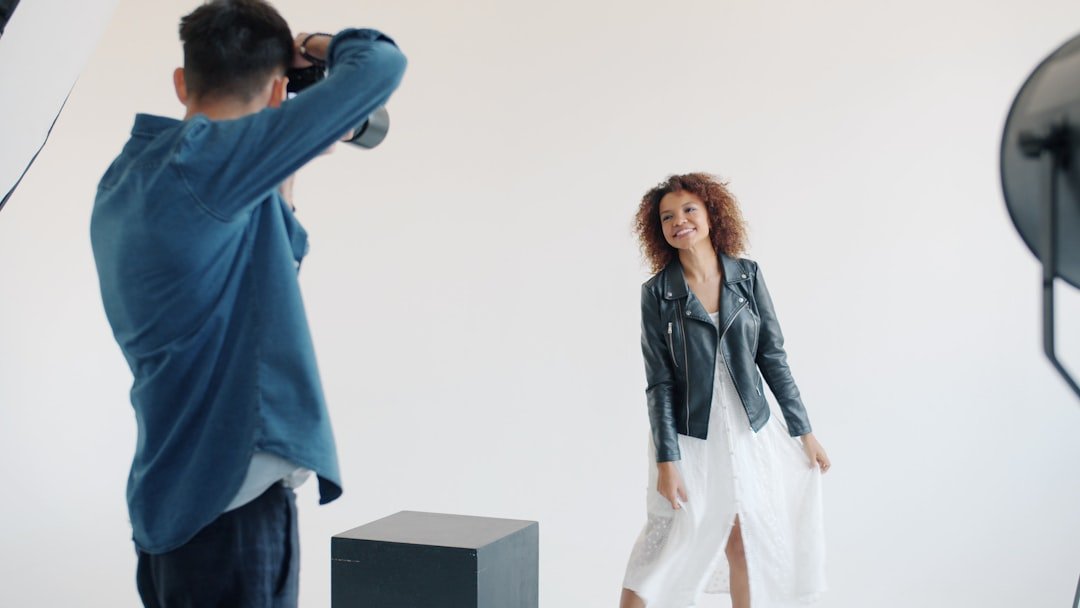
Evaluating the Threat: A Fashion Photographer’s Honest Assessment
The rise of generative artificial intelligence has sparked considerable anxiety throughout the creative industries, leaving many professionals wondering whether their livelihoods face imminent obsolescence. As a working fashion photographer, I found myself confronting these concerns head-on. Rather than succumb to speculation, I decided to conduct a practical investigation, submitting several leading AI image generation platforms to rigorous evaluation to determine whether they could realistically replicate the output of a professional fashion shooter.
The results of this hands-on testing have proven surprisingly reassuring, offering perspective on where human expertise remains irreplaceable in this specialized field.
The Test: Setting Realistic Parameters
To conduct a meaningful assessment, I approached this experiment with professional standards in mind. Fashion photography demands far more than generating aesthetically pleasing images—it requires understanding of lighting theory, fabric behavior, pose direction, model coordination, and the intangible qualities that define a cohesive visual narrative for luxury brands.
I selected multiple prominent AI platforms and tasked them with creating fashion-forward imagery comparable to editorial and commercial work found in contemporary luxury publications. Each generator received detailed prompts specifying aesthetic direction, styling elements, and compositional requirements.
What These Tools Actually Deliver
The outputs demonstrated impressive technical capability in several areas. Color grading, background composition, and overall visual coherence have improved dramatically compared to earlier iterations of generative technology. These tools excel at producing polished, magazine-quality imagery for certain applications—particularly conceptual mood boards and preliminary design visualizations.
However, significant limitations emerged when evaluating the results against professional standards. Subtle technical failures undermined credibility: inconsistent fabric draping, anatomically questionable proportions, and lighting inconsistencies that would immediately signal artificial origin to trained industry eyes. More critically, the technology struggles with the editorial direction and narrative storytelling that distinguish high-level fashion work from generic lifestyle photography.
Where Human Skill Remains Essential
The fashion industry operates at the intersection of commerce, artistry, and human connection. Successful campaigns require directing talent, making split-second creative decisions, managing complex production logistics, and delivering images that communicate brand identity with precision and authenticity. AI generation tools cannot replicate the collaborative energy of a professional shoot, nor can they capture the ineffable qualities that emerge when experienced creatives work in concert with models, stylists, and makeup artists.
Additionally, commercial clients increasingly demand authenticity and originality. Reliance on generative AI raises questions about intellectual property, copyright, and brand differentiation that many luxury houses remain hesitant to address.
The Reassuring Verdict
Rather than rendering fashion photographers obsolete, this investigation revealed that AI functions best as a supplementary tool rather than a replacement. These platforms may eventually streamline certain production stages—concept visualization, test shooting, or background creation—but they cannot displace the nuanced expertise, aesthetic judgment, and human artistry that define professional fashion photography.
The technology represents evolution, not extinction. Photographers who adapt by incorporating these tools into their creative workflows while emphasizing their irreplaceable human contributions will likely thrive in the evolving landscape.