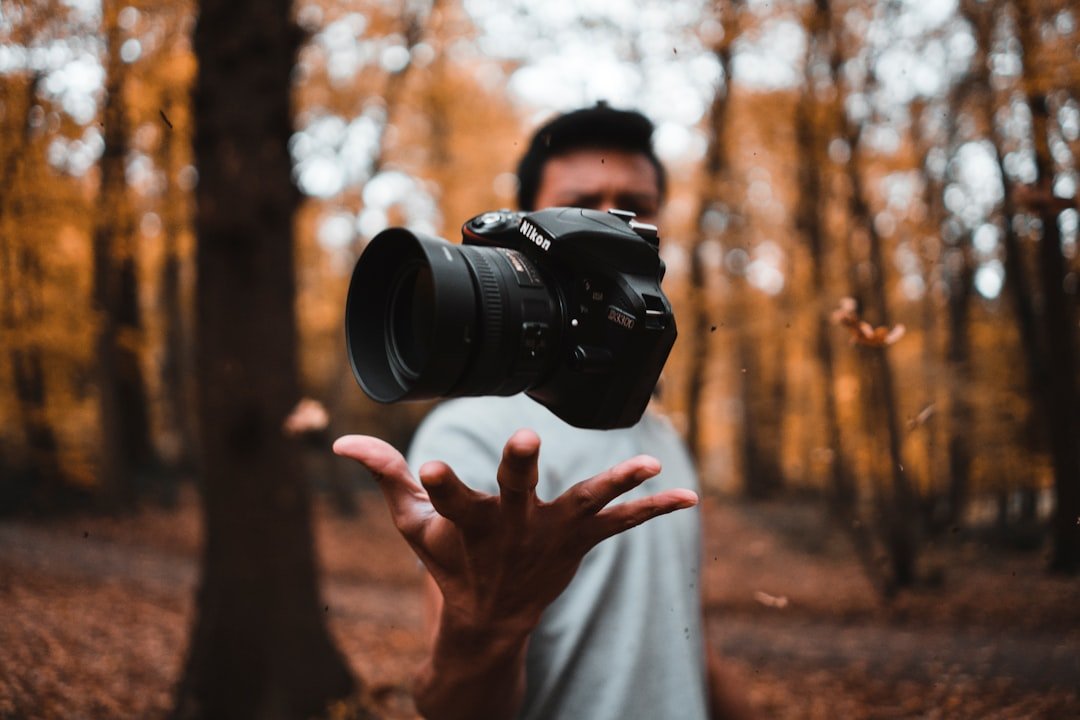
The Distinction Between Comfort and Capability
In the realm of professional photography, there exists a subtle but significant distinction that often goes unexamined: the difference between the tools we gravitate toward and the tools that truly showcase our technical prowess. Many photographers find themselves repeatedly reaching for the same focal length, convinced that their consistent choice reflects their optimal creative capability. However, this assumption frequently masks a more complex reality that can inadvertently limit artistic development.
The human tendency toward habitual tool selection stems from familiarity and reduced cognitive load. When photographers repeatedly use a particular focal length, they develop an intuitive understanding of its rendering characteristics, depth-of-field behavior, and compositional possibilities. This expertise breeds confidence, which feels indistinguishable from excellence. Yet this comfort-based reliance can become a professional liability rather than an asset.
Understanding the Psychology of Lens Choice
The photographer’s brain creates neural pathways around familiar equipment. A 50mm lens used consistently trains the eye to see the world through that specific perspective, gradually narrowing rather than expanding visual vocabulary. This tunnel vision affects composition, subject matter selection, and ultimately the diversity of one’s portfolio. What feels like mastery may actually represent specialization mastered at the expense of versatility.
Professional advancement often demands stepping beyond established comfort zones. Wedding photographers who exclusively rely on wide angles may produce technically competent work that feels predictable to seasoned art directors. Documentary photographers married to their telephoto lenses might miss intimate moments demanding wider perspectives. The intersection of skill and innovation requires periodic experimentation with unfamiliar focal ranges.
The Technical Case for Exploring Beyond Default Settings
Different focal lengths present distinct optical and creative challenges. Working with challenging perspectives—whether extreme wide-angle distortion or compressed telephoto perspectives—demands fresh problem-solving approaches. This engagement activates different creative pathways and deepens understanding of optical fundamentals that remain dormant when operating within habitual parameters.
Commercial clients increasingly value photographers who demonstrate technical range and creative flexibility. The ability to deliver conceptually consistent work across multiple focal lengths signals professional maturity and technical command. Clients recognize that photographers who challenge their own assumptions produce fresher, more innovative results.
Practical Strategies for Productive Experimentation
Breaking established patterns requires intentional methodology rather than random experimentation. Consider dedicating specific projects to exploring unfamiliar focal lengths deliberately. Shoot entire assignments with your least-preferred lens option, forcing yourself to solve compositional challenges without relying on habitual patterns. This discomfort generates growth that comfortable repetition cannot achieve.
Analyze your existing portfolio honestly. If 80 percent of your work utilizes the same focal length, diversification becomes both a creative and business imperative. The friction encountered when working outside familiar ranges actually accelerates skill development by demanding conscious decision-making.
The ultimate lesson involves recognizing that preferred and optimal need not align. Great photographers continually interrogate their working assumptions, deliberately stepping beyond established competency zones to discover previously untapped capabilities.