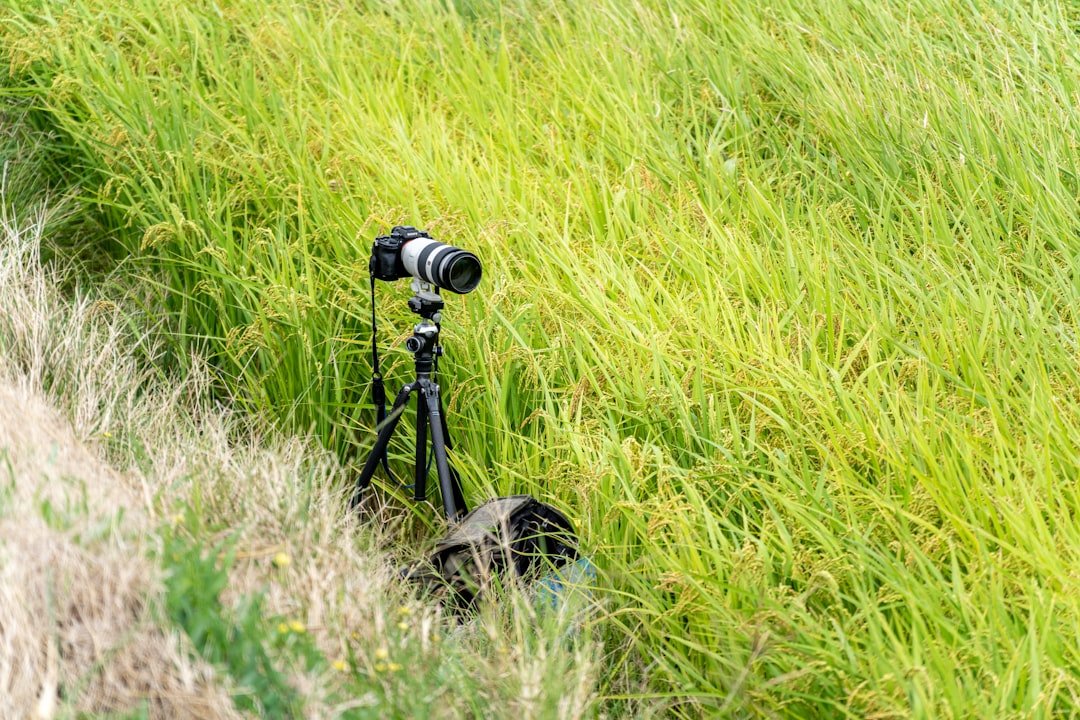
Selecting the Right Tool for Landscape Photography
Landscape photography demands equipment that can handle challenging conditions and deliver exceptional image quality across extended shooting sessions. As of June 2026, the market offers several compelling options for photographers seeking to capture expansive vistas with precision and clarity.
When evaluating cameras for this specialized genre, key considerations include sensor resolution, weatherproof construction, extended battery performance, and stable tripod compatibility. Our analysis focuses on cameras proven to excel during demanding fieldwork—those capable of justifying the hike to remote locations and the patience required for optimal lighting conditions.
Premium Performance: Fujifilm GFX 100S II
Specifications: 102-megapixel back-illuminated medium-format sensor, integrated image stabilization, 5.76 million-dot electronic viewfinder
The Fujifilm GFX 100S II represents the pinnacle of landscape imaging within a practical price range. Leveraging the same sensor technology as its higher-tier counterpart, this model consolidates essential features—including articulating display and sensor-shift stabilization—into a more accessible package.
The primary distinction lies in its specialization: this camera excels when subjects remain stationary. While autofocus performance has improved over previous iterations and burst-shooting capabilities have been enhanced, the GFX 100S II truly demonstrates its prowess in purely landscape-oriented work or controlled studio environments. The compromise in subject-tracking capability is negligible for photographers dedicated exclusively to scenery capture, as the resulting tonal gradation and fine detail remain unmatched without significantly greater financial investment.
Budget-conscious photographers should note that medium-format glass commands premium pricing despite exceptional optical quality.
Versatile Alternative: Sony a7R VI
Specifications: 66.8-megapixel stacked CMOS sensor, 30fps electronic shutter capability, 10fps mechanical shutter, 4K/120p video
For those prioritizing flexibility across multiple photographic disciplines, Sony’s a7R VI merges landscape prowess with broader creative potential. This full-frame powerhouse maintains the highest resolution among conventional mirrorless systems while incorporating advanced features that extend functionality beyond static imagery.
The stacked sensor architecture facilitates exceptional shadow recovery and dynamic-range rendering, particularly when employed with mechanical shutter operation. Its autofocus system ranks among industry leaders, offering granular customization of subject-recognition parameters. Supplementary features including predictive capture and burst-rate modulation facilitate decisive moment capture while managing storage demands efficiently.
Budget-Friendly Alternatives
Photographers seeking reduced financial commitment need not sacrifice substantial capability. The Nikon Z7 II provides respectable resolution at a lower investment level, while the Fujifilm X-T5 delivers surprising landscape competency within a more compact form factor. Sony’s a7R V and a7CR represent additional middle-ground options, utilizing shared 61-megapixel sensors across more affordable full-frame platforms.
Conclusion
Modern landscape photography encompasses diverse priorities spanning budget, portability, and feature comprehensiveness. Whether investing in medium-format excellence or full-frame versatility, contemporary cameras provide previously unattainable image quality across accessible price points. The optimal selection ultimately depends upon individual priorities and intended creative applications.