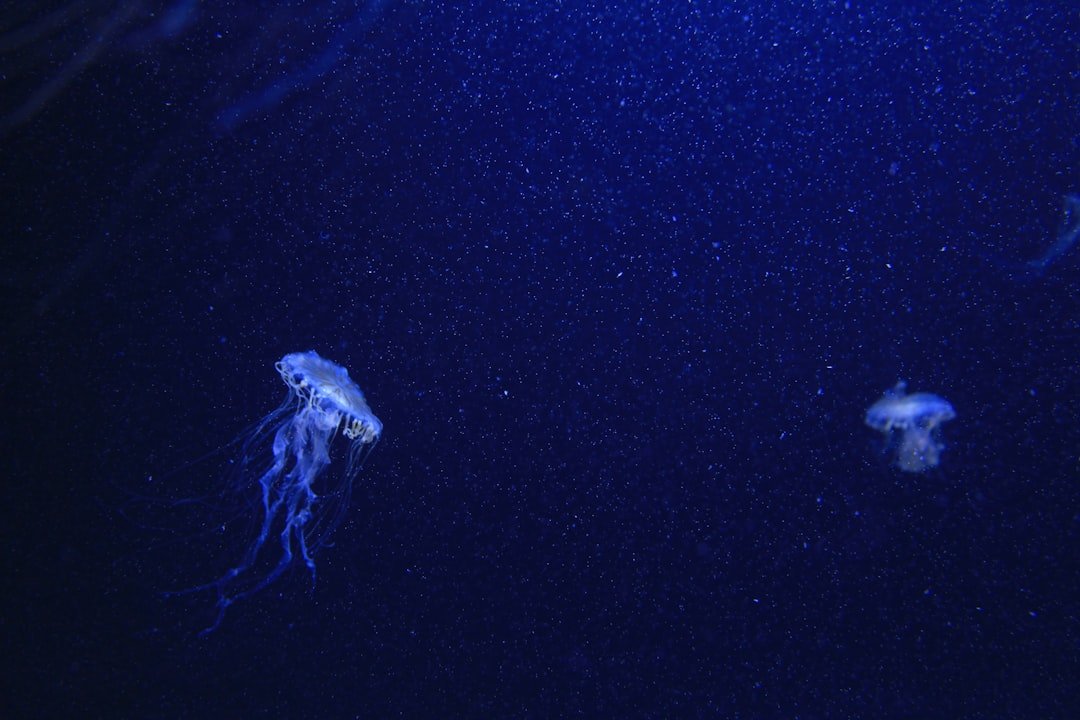
Revolutionary Camera Systems Unlock Abyssal Discoveries
Marine biologists have made a remarkable breakthrough in deep-sea exploration, cataloging and capturing high-resolution imagery of 31 previously unknown species inhabiting the ocean’s extreme depths. This extraordinary achievement was accomplished within a compressed timeframe, made possible by the deployment of sophisticated imaging equipment specifically engineered to handle the challenging conditions found thousands of meters below the surface.
The specimens documented in this expedition represent a significant advancement in our understanding of abyssal ecosystems. Many of these organisms possess delicate anatomical structures that would typically sustain damage during traditional collection and documentation methods. The integration of state-of-the-art camera technology has transformed the approach scientists take when studying these vulnerable creatures, eliminating the need for invasive specimen retrieval that historically compromised research data.
Technical Innovation Meets Biological Documentation
The success of this underwater documentation project hinges on specialized imaging systems designed to perform reliably under extreme pressure and in virtually complete darkness. These camera platforms utilize advanced sensor technology capable of capturing fine morphological details essential for taxonomic classification and scientific analysis. The equipment represents a convergence of marine engineering and photographic innovation, enabling researchers to observe organisms in their natural state without the trauma associated with traditional sampling techniques.
Why This Matters for Marine Science
The discovery of 31 new species in such a brief period underscores the vast untapped knowledge residing in Earth’s deepest oceans. Current estimates suggest that the majority of deep-sea biodiversity remains undocumented, making technological breakthroughs in underwater imaging increasingly critical. Each newly identified organism contributes to our comprehension of extreme-environment adaptations and evolutionary mechanisms that have allowed life to flourish in conditions once considered inhospitable.
The photographic documentation accompanying these discoveries serves multiple purposes within the scientific community. High-quality imagery enables peer review and validation of taxonomic classifications, allows for comparative analysis with related species, and provides invaluable reference material for future research initiatives. Professional-grade underwater photography has become indispensable to modern marine biology.
Implications for Future Exploration
This expedition demonstrates the potential of deploying advanced imaging technology to expand our knowledge of previously inaccessible ecosystems. As camera systems become increasingly sophisticated and miniaturized, researchers gain greater flexibility in designing exploration missions tailored to specific marine environments. The success of this endeavor will likely inspire similar initiatives targeting other under-explored oceanic zones.
The ability to document delicate organisms without physical intervention represents a paradigm shift in deep-sea research methodology. Future expeditions will benefit from refined camera platforms, improved lighting systems, and enhanced data transmission capabilities that continue to emerge from ongoing technological development. These advances promise an accelerated pace of discovery within the scientific community.
This landmark documentation effort exemplifies how cutting-edge photographic technology continues to expand the frontiers of biological science, revealing the incredible diversity of life in Earth’s most remote environments and reshaping our understanding of global biodiversity.