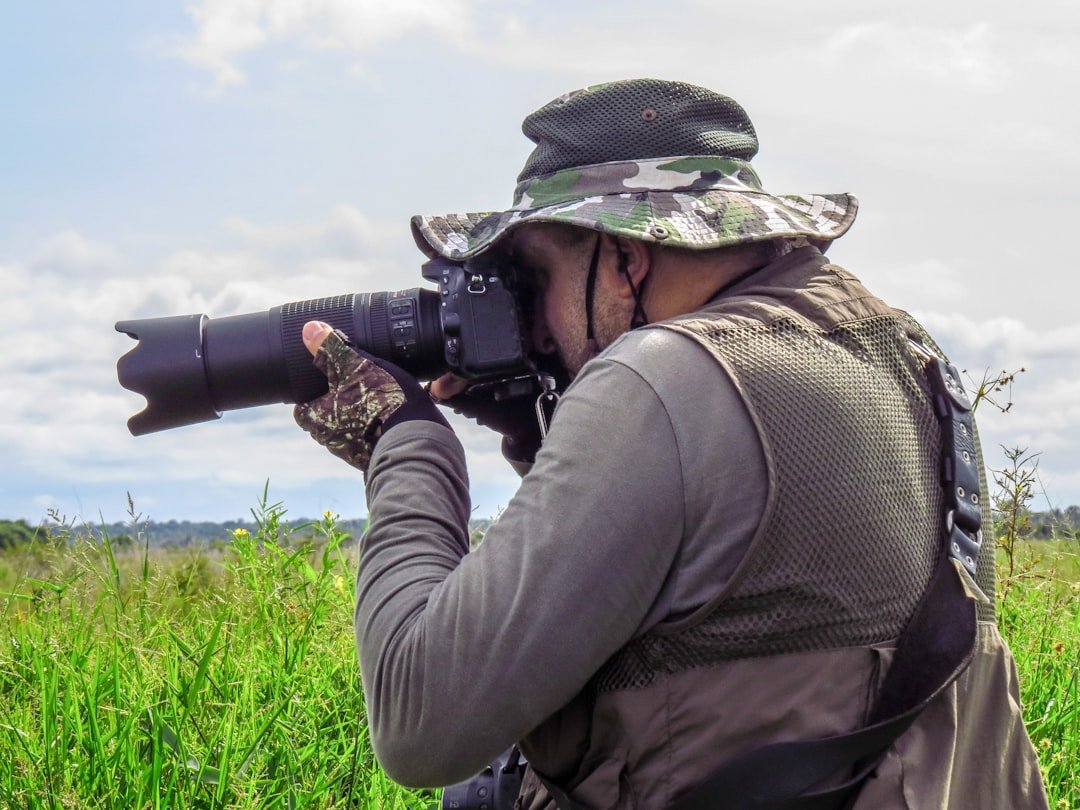
The Evolution of Wildlife Photography Gear Choices
Dedicating yourself to wildlife photography with a fixed focal length like 500mm represents a significant professional commitment. The optical performance, subject isolation through telephoto compression, and stunning rendering of distant subjects create an unmatched aesthetic that many photographers initially pursue. However, the reality of field work reveals practical limitations that encourage even seasoned professionals to reconsider their approach and explore variable focal length alternatives.
Understanding the Trade-Offs
Fixed focal length telephoto lenses deliver exceptional optical characteristics that photographers have relied upon for decades. The superiority in rendering quality, combined with superior background separation and subject magnification, makes them attractive for controlled scenarios. Yet these advantages come packaged with significant operational constraints that modern wildlife documentation increasingly demands photographers address.
The primary challenge involves positioning flexibility. When working with a prime lens, photographers must physically relocate to achieve compositional variety. This becomes particularly problematic in fast-moving situations where subjects change distance rapidly—whether tracking birds in flight, photographing unpredictable mammal behavior, or capturing fleeting moments in natural habitats. The inability to quickly adjust magnification without changing positions costs photographers critical shots and creates frustrating gaps in coverage.
Why Versatility Matters in Contemporary Wildlife Work
Contemporary wildlife photography frequently requires adaptability that fixed focal lengths struggle to provide. Editorial assignments, stock photography demands, and conservation documentation all benefit from capturing subjects across multiple compositional framings without equipment changes. Variable focal length systems enable photographers to maintain their position while adjusting magnification, dramatically improving their ability to respond to dynamic wildlife behavior.
Weight and mobility considerations also influence equipment decisions. Professional wildlife work often involves extended periods in challenging environments—dense forests, wetlands, elevated blinds, and remote locations. Carrying multiple prime lenses to achieve focal length coverage creates equipment burden that reduces mobility and increases fatigue. Contemporary zoom technology delivers impressive optical performance in significantly lighter packages, allowing photographers to work more efficiently throughout demanding days.
Technological Improvements Drive the Transition
Advances in lens engineering have substantially narrowed the image quality gap between fixed and variable focal length designs. Modern zoom optics incorporate sophisticated element arrangements and coatings that deliver optical performance previously reserved for primes. Combined with contemporary camera sensor technology, which excels at resolving fine detail, this convergence makes zoom lenses genuinely competitive rather than compromise solutions.
Additionally, autofocus performance improvements have enhanced the practical advantages of zoom systems. Faster, more reliable focusing mechanisms reduce the need for repositioning to maintain focus precision, further strengthening the operational advantages zoom lenses provide for unpredictable wildlife situations.
The Pragmatic Shift
Experienced wildlife photographers increasingly recognize that professional success depends on flexibility and responsive capability alongside optical excellence. While prime lenses maintain certain technical advantages, zoom alternatives now deliver sufficient quality while offering superior practical functionality. This represents a natural evolution in how professional wildlife photographers approach their craft, balancing technical ideals with real-world operational demands.
The migration toward zoom systems reflects pragmatic recognition that consistent, versatile coverage often outweighs marginal optical advantages in actual field applications.