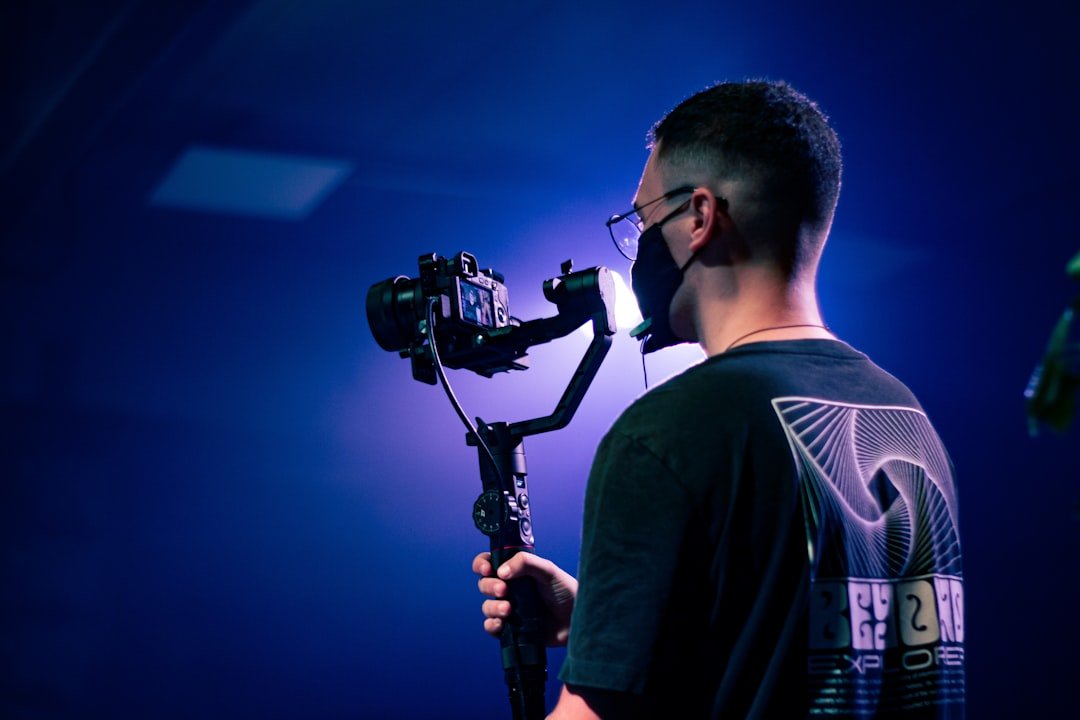
Challenging the Compact Gimbal Camera Market
The compact gimbal camera segment has experienced remarkable growth since the introduction of stabilized pocket-sized recording devices. The DJI Osmo Pocket 3 fundamentally transformed expectations for what creators could achieve with portable gear, establishing itself as the category benchmark through its combination of affordability and professional-grade stabilization technology.
Recognizing this market opportunity, Insta360—a formidable competitor in the action camera and imaging technology sphere—has launched the Luna Ultra to directly contest this growing segment. The release signals the company’s strategic commitment to capturing market share in the compact gimbal space, where demand continues to accelerate among content creators, vloggers, and independent filmmakers seeking portable solutions.
Design and Build Philosophy
The Luna Ultra inherits Insta360’s design sensibilities while introducing refinements specifically engineered for handheld stabilization. The device balances portability with functionality, addressing the practical needs of creators who prioritize mobility without compromising on capture capabilities.
Performance Considerations
While the Luna Ultra presents compelling features for vlogging applications, several operational considerations warrant examination. Users should evaluate how the device integrates into their existing workflows and whether its specific capabilities align with their creative requirements.
The stabilization system represents a key differentiator, employing gimbal mechanics to counteract camera shake inherent in handheld shooting. This technology proves particularly valuable during movement-intensive recording scenarios typical of vlogging and travel documentation.
Practical Implications for Content Creators
Professionals and enthusiasts assessing compact gimbal options must weigh multiple factors beyond raw specifications. Real-world performance in various lighting conditions, battery endurance during extended shooting sessions, and thermal management during continuous operation all influence practical usability.
The competitive positioning between established leaders and emerging challengers raises important questions about value proposition. Creators must determine whether additional features or alternative approaches justify switching from established platforms versus incremental improvements in familiar ecosystems.
Market Context and Industry Trends
The expansion of compact gimbal options reflects broader shifts in content creation infrastructure. As audiences across platforms increasingly consume video content, the democratization of professional-grade stabilization technology has become essential. Manufacturers recognize that accessibility and affordability drive adoption, particularly among emerging creators establishing their production capabilities.
Insta360’s market entry represents competitive validation of the segment’s viability. Healthy competition typically accelerates innovation cycles and encourages feature development that ultimately benefits end users through improved products and competitive pricing strategies.
Final Assessment
The Insta360 Luna Ultra emerges as a viable contender for creators evaluating compact gimbal solutions. However, prospective purchasers should conduct thorough evaluations aligned with their specific production demands. The device delivers strengths in particular applications while presenting certain limitations that may influence purchasing decisions depending on individual requirements and workflow priorities.
Ultimately, the expanded competitive landscape offers content creators more choices than ever before, enabling more precise equipment selection based on authentic production needs rather than default market leadership.