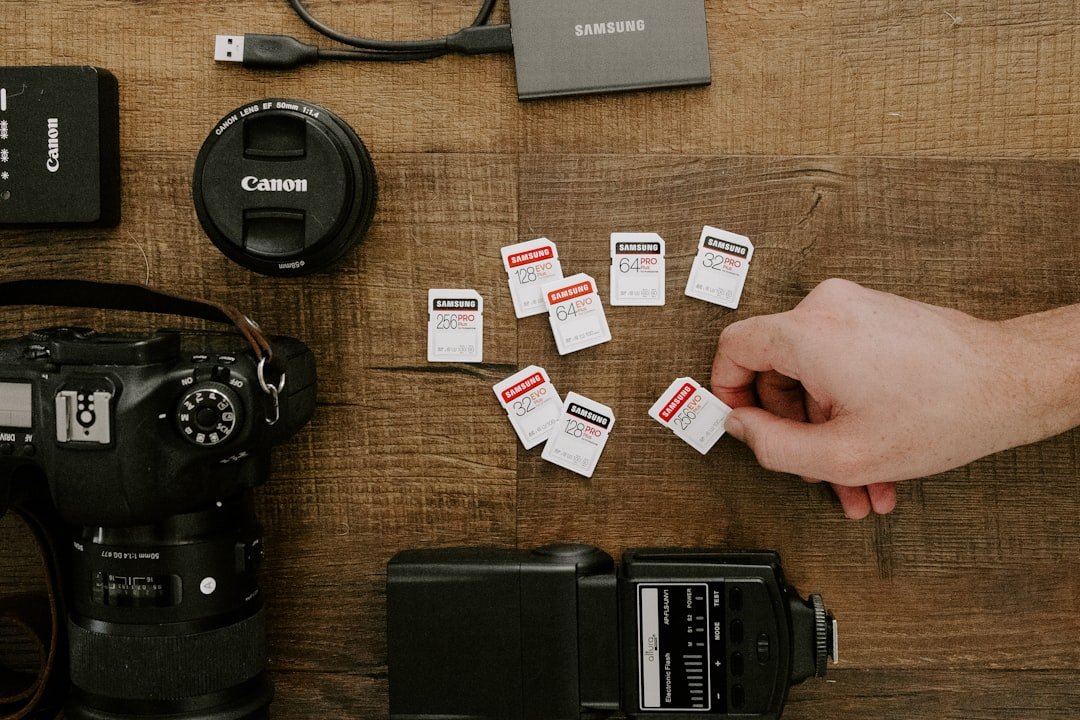
A Growing Epidemic in Digital Storage
Recent investigations within the photography community have exposed a troubling reality: the market for digital storage devices is saturated with fraudulent products. Content creator Lee Morris from the influential photography education platform Fstoppers recently released a comprehensive video examination titled “Your Memory Cards Are Probably Fake,” which explores the sophisticated counterfeit operations targeting professional and amateur photographers alike.
The findings presented in this investigation paint a sobering picture for image makers worldwide. Morris argues that the prevalence of counterfeit storage media has reached such alarming levels that the average photographer may unknowingly be using fraudulent equipment without even realizing it. This revelation carries significant implications for workflow reliability, data integrity, and overall investment in gear.
The Sophistication of Modern Forgeries
What makes this issue particularly concerning is the advanced level of deception employed by counterfeit manufacturers. These operations have become remarkably skilled at replicating authentic packaging, labeling, and even the physical construction of legitimate memory cards. The quality of these forgeries has improved to the point where visual inspection alone cannot reliably distinguish genuine products from fakes.
Professional photographers depend on memory cards for mission-critical work—capturing irreplaceable moments at weddings, commercial shoots, and editorial assignments. When a card fails or performs unexpectedly, the consequences extend far beyond financial loss. The reliability of storage media directly impacts a photographer’s reputation and client relationships.
Understanding the Risk Landscape
The proliferation of counterfeit storage devices stems from multiple distribution channels. Online marketplaces, third-party retailers, and unauthorized sellers represent particularly high-risk purchasing venues. Counterfeiters exploit the complexity of the digital supply chain, inserting fake products at various stages before they reach end consumers.
These fraudulent cards often exhibit reduced storage capacity compared to their specifications, slower write speeds that compromise burst shooting performance, or complete failure during critical moments. Some counterfeits incorporate recycled flash memory with degraded performance characteristics, creating unpredictable behavior during demanding workflows.
Protecting Your Creative Investment
For photographers seeking to safeguard their equipment purchases, authentication strategies become essential. Buying exclusively from authorized retailers, verifying product authenticity through manufacturer websites, and testing new cards before deployment can significantly reduce risk exposure. Professional photographers should consider these precautions fundamental to protecting both their equipment investments and their professional credibility.
The conversation initiated by Morris serves as a crucial reminder that due diligence in equipment procurement extends beyond initial purchase decisions. Storage reliability directly influences creative capability, making informed purchasing practices a professional responsibility rather than an optional consideration.
This ongoing challenge underscores the importance of industry awareness and consumer education within photography communities worldwide.