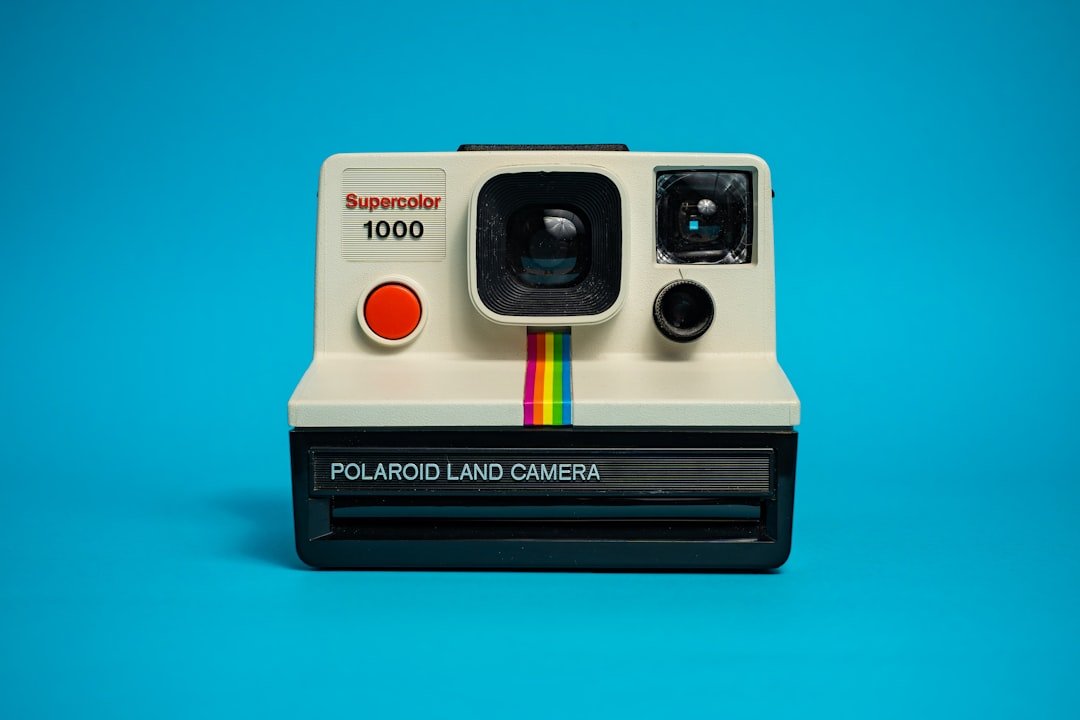
A Legacy Reborn: Polaroid’s Unexpected Resurgence
Few brands carry the cultural weight of Polaroid. The company’s name has become synonymous with instant gratification in photography—a tactile counterpoint to our increasingly digital existence. Yet this storied manufacturer nearly vanished from existence during the turbulent late 2000s, when corporate leadership made the fateful decision to cease instant film production entirely.
The decision sent shockwaves through the photography community. For decades, Polaroid had defined spontaneous, social image-making. The distinctive aesthetic of instant film—with its soft color palette, organic color shifts, and unpredictable chemical interactions—had influenced generations of photographers and artists. Losing access to this medium felt like losing a fundamental mode of visual expression.
When Innovation Met Nostalgia
What seemed like a death knell for the format ultimately sparked an unexpected resurrection. A group of passionate entrepreneurs recognized an opportunity where corporate bean counters saw obsolescence. Understanding that genuine instant film possessed irreplaceable qualities that digital capture and printing simply could not replicate, they established what would become the world’s sole remaining dedicated facility for manufacturing authentic instant photographic film.
Today, this singular production facility stands as a remarkable anomaly in an age dominated by computational imaging and algorithmic processing. In an era where smartphone cameras compete on megapixel counts and computational photography prowess, this factory quietly manufactures analog chemistry—a deliberate rejection of the technological paradigm that has consumed contemporary photography.
More Than Nostalgia: A Philosophical Statement
The persistence of this operation transcends simple nostalgia. For many contemporary photographers, instant film represents something profoundly different from digital capture. The chemical unpredictability inherent in the medium—where temperature, humidity, and manufacturing variations influence final results—introduces an element of chance that has largely disappeared from modern image-making.
Professional photographers across fine art, fashion, and editorial disciplines have rediscovered instant film as a valuable creative tool. The medium’s limitations become strengths: its fixed dynamic range encourages intentional exposure decisions; its color palette defies easy digital replication; its physical permanence contrasts sharply with the ephemeral nature of digital files.
Cultural Resistance to Technological Inevitability
The factory’s continued operation challenges assumptions about technological progress and obsolescence. In an industry predicated on perpetual innovation and equipment upgrades, instant film manufacturing represents a conscious decision to preserve rather than replace. It suggests that not all progress moves in a single direction, and that older technologies can maintain relevance when they offer distinctive aesthetic and experiential qualities.
This singular production facility has become a cultural monument—a physical manifestation of collective resistance against the complete digitization of photography. It serves photographers, hobbyists, and artists who value the deliberate constraints and chemical beauty that instant film uniquely provides.
The survival of this last remaining instant film factory demonstrates that in the photographic ecosystem, diversity of tools and methods ultimately strengthens creative practice. Whether intentionally or not, this facility has become an essential anchor point for photographers seeking alternatives to computational image-making.