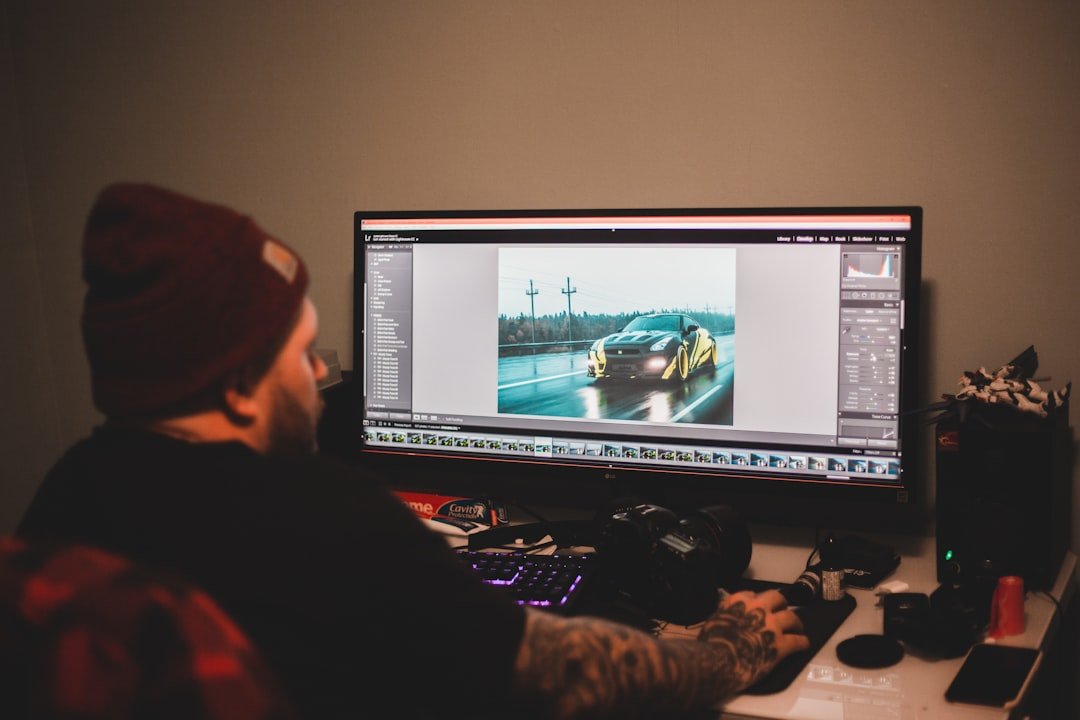
The integration of artificial intelligence into photographic workflows represents one of the most transformative technological shifts in modern image creation. Rather than adopting a Luddite perspective—rejecting technological advancement entirely—contemporary photographers must develop a pragmatic relationship with AI-powered solutions that enhance rather than replace fundamental creative vision.
Embracing Technology Without Compromise
The photographic community often finds itself polarized when discussing artificial intelligence and algorithmic image generation. However, adopting a balanced approach acknowledges that digital tools have been reshaping the medium since the transition from film to sensor-based capture. AI represents merely the latest evolution in this continuum.
Professional photographers routinely implement AI-assisted editing, intelligent upscaling algorithms, and machine learning-powered organization systems into their post-production pipelines. These applications serve legitimate purposes: automating tedious batch processing tasks, accelerating color grading workflows, and enabling photographers to concentrate on aesthetic decision-making rather than technical minutiae. When technology handles repetitive functions that drain creative energy without contributing to artistic expression, its integration becomes not just acceptable but strategically valuable.
Distinguishing Generation from Enhancement
The critical distinction lies between AI as an augmentation tool versus AI as a content generator. Image enhancement algorithms that sharpen details, optimize exposure, or intelligently remove unwanted elements remain fundamentally different from generative systems that synthesize entirely new imagery from textual prompts. The former maintains photographer intent and captured reality as the foundation; the latter creates from scratch.
Professional photographers recognize that computational tools cannot capture what human vision, technical expertise, and emotional understanding bring to image creation. The decisive moment—that decisive fraction of a second where light, composition, and subject alignment converge—remains exclusively within human domain. No algorithm can replicate the intuitive positioning, the anticipatory timing, or the intentional framing that distinguishes photography from mere image generation.
Pragmatism in Practice
Working photographers demonstrate this pragmatic philosophy daily. They deploy AI-powered features when efficiency gains justify implementation—perhaps utilizing intelligent subject masking for complex selections or batch exposure correction across hundreds of images. Simultaneously, they reject AI integration when it compromises authentic representation or abdicated essential creative decisions to algorithms.
This balanced methodology reflects professional maturity. The field recognizes that technological resistance based purely on ideological grounds serves neither artistic evolution nor practical advancement. Conversely, uncritical adoption of every algorithmic capability surrenders the human judgment that defines photography as both technical discipline and artistic pursuit.
The Future of Photographic Practice
As artificial intelligence continues advancing, photographers must maintain clarity regarding their medium’s essential nature. Tools should amplify human capability, preserve authorial intent, and respect the evidentiary qualities photography has traditionally embodied. When AI serves these purposes—enhancing rather than replacing human vision—its integration strengthens rather than diminishes the photographic enterprise.
The question facing contemporary image-makers isn’t whether to use AI, but rather where and how to deploy it thoughtfully within a coherent artistic practice.