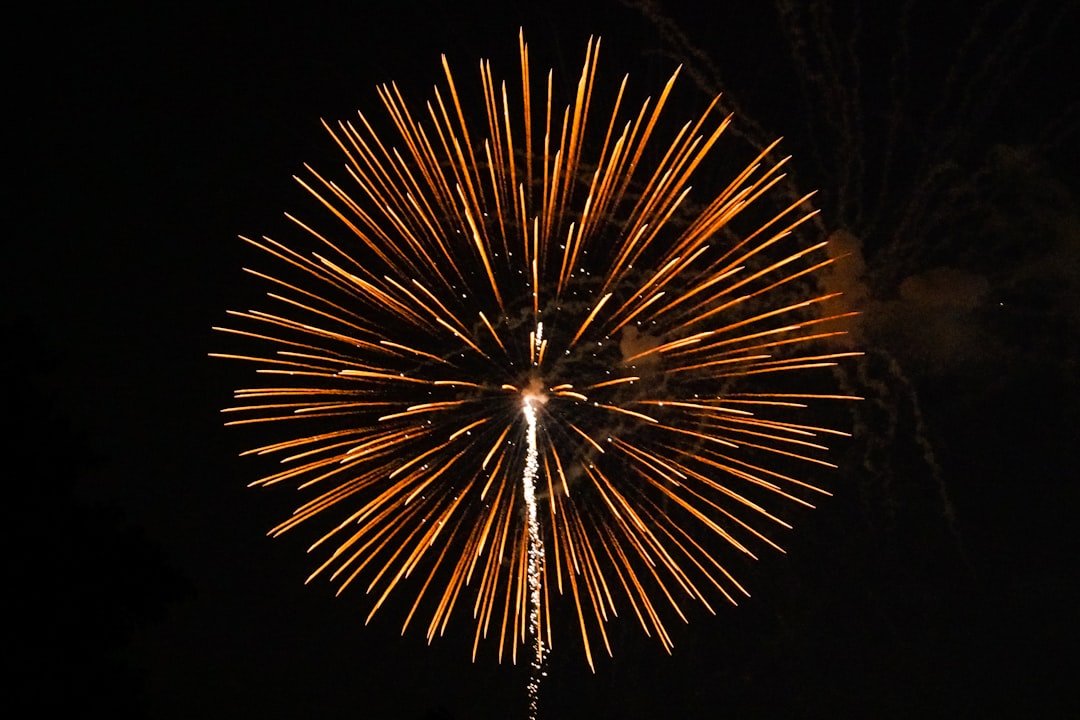
Capturing the Magic of Night Sky Explosions
As July Fourth approaches and cities prepare their aerial displays, photographers everywhere are gearing up to document these spectacular seasonal events. Whether you’re a seasoned imaging professional or an enthusiastic amateur, photographing fireworks presents unique technical challenges that demand specific knowledge and preparation. Success in this specialized genre requires understanding how your equipment responds to rapidly changing light conditions and unpredictable burst patterns.
The technical foundation for explosive displays differs significantly from conventional landscape or event photography. The Canon EOS 5D, paired with an f/8 aperture, 3-second exposure time, and ISO 250 sensitivity, exemplifies the type of camera settings that yield professional-caliber results. These parameters work synergistically to gather sufficient light during the brief moments of ignition while maintaining acceptable image sharpness and color fidelity.
Core Principles for Pyrotechnic Imaging
Understanding four fundamental concepts will substantially elevate your fireworks photography outcomes. First, your aperture selection determines how much light reaches the sensor during each burst. Medium apertures like f/8 provide an optimal balance between light gathering and depth-of-field control, preventing overexposure while maintaining sharp detail across explosion clusters. Second, shutter duration plays a critical role in capturing complete burst development. Exposure times between 2-4 seconds typically encompass the entire arc and spread of a pyrotechnic burst, from initial ignition through final sparkle dispersal.
The third essential element involves your sensor’s sensitivity rating. Conservative ISO settings preserve image quality and reduce digital noise, particularly important when shooting during twilight hours when ambient light remains elevated. Finally, anticipating burst trajectories and positioning your framing accordingly separates competent documentation from compelling imagery. Experienced pyrotechnic photographers study display patterns and position their compositions to maximize visual impact.
Beyond Holiday Celebrations
These proven techniques extend far beyond American Independence Day festivities. Throughout the calendar year, municipalities worldwide stage impressive aerial displays—from Guy Fawkes Night festivities in November to New Year’s Eve celebrations on December 31st. International audiences can apply identical methodologies to capture Chinese New Year displays, Diwali celebrations, or local fireworks events in virtually any destination.
Professional practitioners who specialize in celebratory event photography have developed additional refinements worth studying. The official photographer for London’s renowned New Year’s Eve pyrotechnics offers comprehensive tutorials addressing advanced considerations including composition strategies, equipment selection, and post-processing workflows optimized for explosive light sources.
Preparation and Safety
Thorough pre-event planning significantly improves success rates. Scout your shooting location during daylight hours, identify potential compositional opportunities, and establish safe distances from launch zones. Familiarize yourself with your camera’s manual controls and practice exposure adjustments before the event begins.
As you prepare for upcoming celebrations, remember that explosive photography demands both technical precision and creative vision. Whether documenting hometown displays or traveling internationally to capture renowned events, these fundamental principles provide the foundation for producing images that authentically convey the energy and brilliance of aerial pyrotechnics.