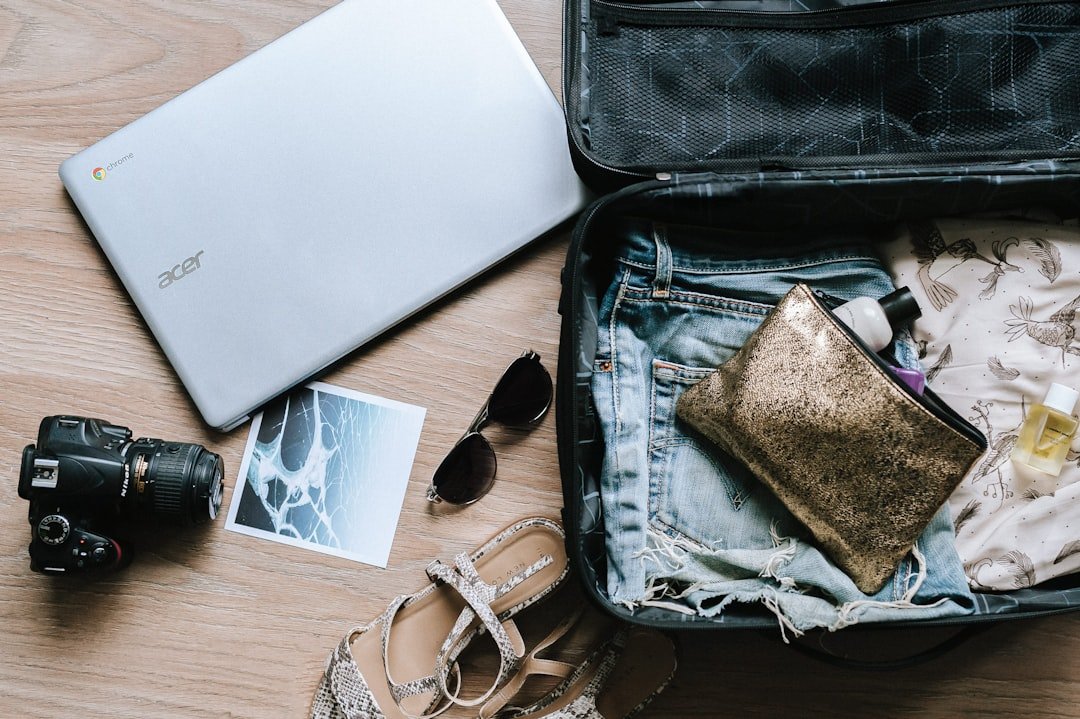
The Overpacking Dilemma: Why Photographers Struggle with Restraint
Travel photography presents a unique paradox for imaging professionals. The prospect of encountering unexpected compositional opportunities creates an almost irresistible urge to bring redundant equipment. What typically begins as a carefully curated selection of essentials frequently transforms into an over-provisioned kit that strains both luggage capacity and physical endurance.
This phenomenon stems from legitimate professional concerns. Photographers worry about equipment failure, incompatible shooting conditions, or unforeseen creative demands. The result? A perpetual cycle of addition rather than subtraction. One camera body leads to a backup. Primary lenses spawn secondary optics. Before you realize it, you’re carrying enough gear to outfit a small studio.
Strategic Gear Curation for Travel Assignments
The solution requires honest assessment of your actual shooting needs versus hypothetical scenarios. Begin by analyzing your previous vacation photography. Which equipment did you consistently use? Which items remained untouched in your bag? This data-driven approach eliminates emotional attachment to gear and reveals your authentic requirements.
Professional travel photographers often employ the “80/20” methodology. Identify the 20% of your equipment that generates 80% of your desired imagery. This focused selection typically includes a versatile zoom lens, a standard prime, and perhaps one specialized optic for anticipated conditions. Secondary bodies and lenses become liability rather than asset.
Practical Strategies for Downsizing Your Kit
Embrace versatile focal lengths: Modern zoom lenses offer exceptional optical performance. A quality 24-70mm telephoto can handle the majority of travel scenarios, reducing the need for multiple prime lenses.
Evaluate redundancy: Ask whether you genuinely need backup bodies. Many contemporary cameras demonstrate remarkable reliability. Mirrorless systems particularly shine in travel contexts due to their compact form factors and lighter weight distribution.
Prioritize quality over quantity: One exceptional lens outperforms three mediocre options. Invest in premium glass that delivers optical excellence across your anticipated shooting range.
Consider rental options: For specialized requirements—macro capabilities, extreme telephoto reach, or specialized filters—local equipment rental services provide flexible solutions without permanent storage burdens.
Mental Frameworks for Restraint
Psychological barriers often complicate packing discipline. Overcome analysis paralysis by establishing firm equipment limits before packing begins. Physically write down your gear selection and adhere to it. This commitment prevents impulsive additions during final packing phases.
Additionally, reframe constraints as creative advantages. Photographers operating with minimal equipment frequently develop stronger compositional instincts and deeper engagement with individual subjects. Limitations paradoxically enhance creative expression.
Weight considerations merit emphasis. Travel photography often involves extended walking, climbing, and physically demanding environments. Reducing your imaging load directly impacts comfort, energy preservation, and photographic longevity during extended shooting sessions.
Conclusion
Disciplined gear selection represents maturity in photographic practice. Professional photographers increasingly recognize that portable, focused equipment kits outperform bloated collections. By implementing thoughtful curation strategies, you’ll travel lighter, shoot more intentionally, and return with galleries showcasing genuine creative vision rather than technical overkill.