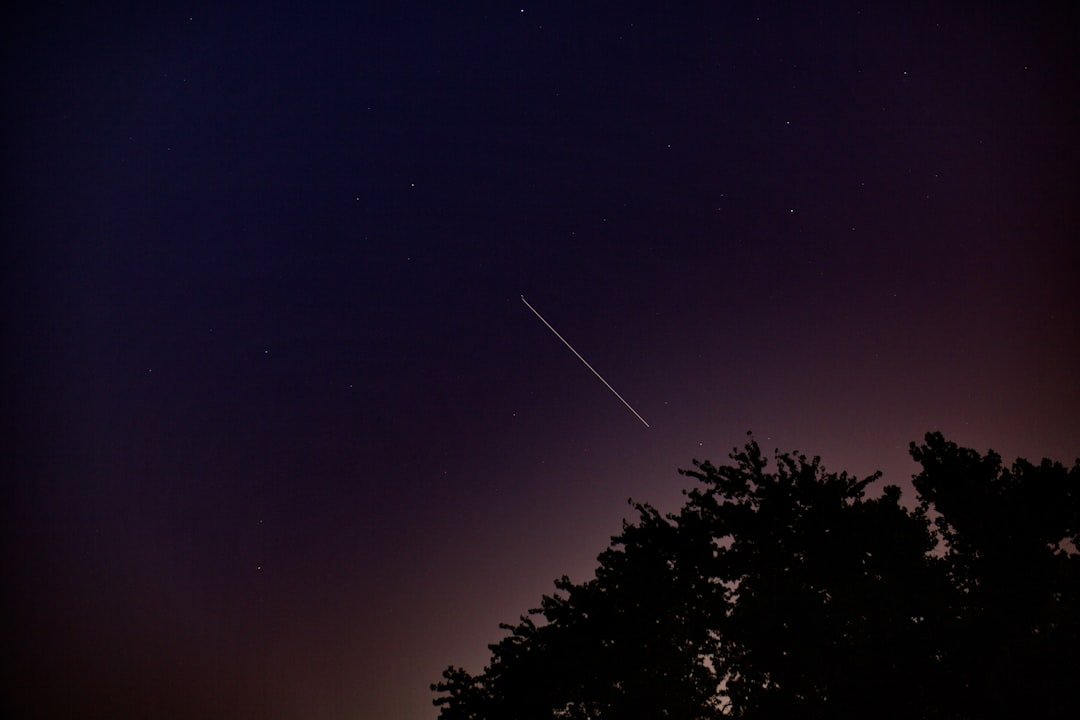
A Celestial Milestone in Space Photography
Accomplished astrophotographer AJ Smadi has once again demonstrated exceptional skill in capturing one of the cosmos’s most elusive photographic moments. The imaging professional has successfully documented what represents only the second known instance of both the International Space Station and Venus appearing within a single photographic composition.
What makes this achievement particularly remarkable is that Smadi himself is responsible for both verified instances of this rare celestial alignment captured on film. This accomplishment underscores the extraordinary precision, technical knowledge, and patience required to photograph such fleeting astronomical events.
The Challenge of Orbital and Planetary Alignment Photography
Capturing the ISS and Venus together requires an intricate understanding of orbital mechanics, planetary positions, and precise timing. The International Space Station orbits Earth approximately every 90 minutes at an altitude of roughly 250 miles, traveling at speeds exceeding 17,000 miles per hour. Venus, meanwhile, maintains its own predictable path through our sky, visible primarily during twilight hours as either a morning or evening apparition.
For both celestial objects to appear in frame simultaneously, the photographer must calculate exact moments when their trajectories align from a specific Earth-based vantage point. This demands sophisticated planning tools, astronomical software, and an intimate familiarity with exposure settings, focal lengths, and compositional techniques.
Technical Mastery in Space Astrophotography
Successfully imaging such an event requires mastery across multiple photographic disciplines. The photographer must balance exposure to capture both the relatively bright Venus and the dimmer reflected sunlight off the ISS modules. Camera settings must account for the rapid movement of the orbiting station while maintaining sufficient shutter speed to freeze its motion across the frame.
Equipment selection plays a crucial role in achieving this type of specialized imagery. Long focal length lenses, precise tracking mounts, and high-speed film or sensor capabilities all contribute to the final result. Additionally, environmental factors such as atmospheric conditions, light pollution, and weather patterns can dramatically impact success rates.
Implications for the Astrophotography Community
Smadi’s accomplishment serves as inspiration for astrophotographers worldwide pursuing increasingly ambitious celestial imaging projects. His work demonstrates that with sufficient dedication to planning, technical expertise, and persistence through numerous failed attempts, even the most improbable astronomical photographs become achievable.
The rarity of this particular shot—with only two confirmed instances in existence—highlights how specialized and technically demanding advanced astrophotography has become. Each successful capture represents countless hours of preparation, calculation, and patience waiting for ideal atmospheric and orbital conditions to align.
As space exploration continues to expand with increased satellite launches and orbital infrastructure development, opportunities for unique space and planetary photography will undoubtedly increase. However, the fundamental skills and dedication exemplified by Smadi’s achievement remain the true cornerstone of extraordinary astrophotographic work.