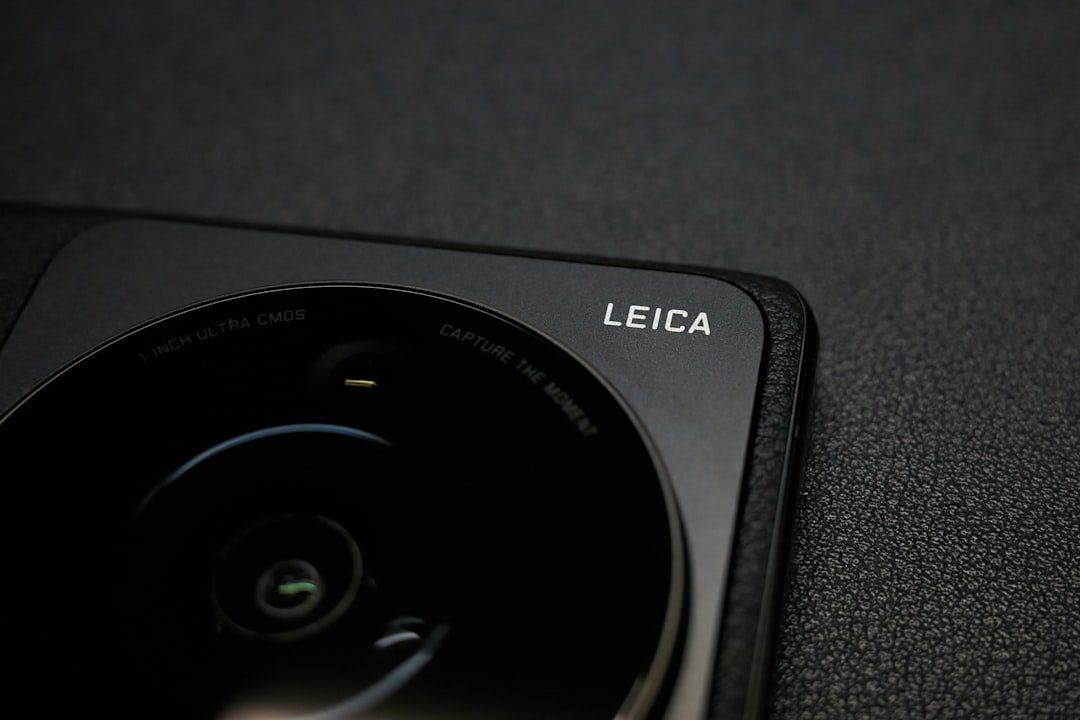
A Remarkable Convergence of Industrial Design and Optical Engineering
The intersection of cutting-edge industrial design and precision optics will take center stage this autumn when a truly exceptional Leica prototype lens emerges for public auction. This extraordinary optical instrument represents a singular moment in photographic history, created through the collaborative vision of two of the world’s most celebrated industrial designers.
The Creative Minds Behind the Innovation
Renowned for his revolutionary work in consumer electronics and product design, Jony Ive brings his signature minimalist philosophy and meticulous attention to detail to optical engineering. Complementing his vision, Marc Newson’s distinctive approach to form and function—honed through decades of furniture, industrial product, and aerospace design—converges with Ive’s sensibilities to create something truly unprecedented in the Leica catalogue.
A Unique Entry in Photographic Collectibles
Prototype lenses occupy a rarefied space within the photography collecting community. Unlike production models manufactured in quantities, prototypes represent experimental thinking and developmental iteration—physical manifestations of designers’ intent before commercial constraints reshape the final product. This particular lens embodies the experimental phase where aesthetic vision meets optical possibility.
The forthcoming October auction will position this piece among the most significant items in contemporary camera collecting. Leica’s heritage as both a precision instrument manufacturer and a symbol of photographic excellence makes any collaboration with internationally acclaimed designers particularly noteworthy. The brand’s historical significance in advancing rangefinder photography and its enduring influence on contemporary camera design elevate the cultural importance of such a partnership.
What Makes This Prototype Significant
Beyond the prestige attached to the designer names, the prototype itself presumably showcases innovative thinking about lens construction, ergonomics, or optical performance. Prototype development in optical design frequently involves exploring unconventional solutions that never reach production—either because they prove impractical, economically unfeasible, or simply remain concepts preserved for posterity.
The convergence of Ive’s experience with seamless material integration and Newson’s sculptural sensibility suggests a lens that transcends typical engineering specifications. Collectors and photography enthusiasts understand that such pieces document the creative process itself, offering insights into how visionary designers approach technical challenges within the constraints of precision manufacturing.
Market Context and Collector Appeal
The auction market for rare camera equipment and prototype gear has demonstrated considerable strength in recent years. High-profile design collaborations command premium valuations, particularly when they represent limited or unique iterations. This Leica prototype sits at the intersection of multiple collecting interests—camera equipment aficionados, design history enthusiasts, and contemporary art collectors may all recognize its significance.
Leica continues to position itself as a brand that values both technical excellence and aesthetic refinement—qualities clearly evident in partnerships with world-class designers. Such collaborations reinforce the brand’s commitment to exploring the creative possibilities inherent in precision optical instruments.
Anticipating October
As the auction approaches, this prototype lens will undoubtedly attract substantial attention from collectors, institutions, and design enthusiasts worldwide. It represents not merely a functional optical device but rather a tangible expression of how contemporary design philosophy can engage with established photographic traditions. The piece serves as a fascinating case study in product development and designer collaboration within the luxury camera market.