Technology’s Double-Edged Sword in Contemporary Photography
Today’s imaging devices have reached unprecedented levels of technical capability. Contemporary mirrorless and DSLR systems routinely deliver frame rates exceeding 30 fps, autofocus systems that respond instantaneously to subject movement, and in-body stabilization mechanisms compensating for up to five or six stops of camera shake. Yet paradoxically, these technological achievements may be creating a hidden impediment to photographic excellence.
The Speed Trap: How Capability Can Compromise Creativity
The relentless acceleration of camera performance has fundamentally altered how photographers approach their craft. With continuous autofocus tracking subjects seamlessly and rapid sequential shooting capabilities enabling trigger-happy workflows, many practitioners have inadvertently abandoned deliberate image-making practices. The ability to capture dozens of frames per second encourages a spray-and-pray methodology rather than thoughtful compositional consideration.
This technological velocity extends beyond mere frame rates. Modern stabilization systems allow handheld shooting in conditions that would have previously necessitated tripod support, eliminating a valuable creative constraint that historically forced photographers to compose more intentionally. Similarly, lightning-fast focusing systems remove the tactile engagement of manual focus refinement—a process that inherently cultivated compositional precision.
Reclaiming Intentionality Through Deliberate Practice
The antidote to this performance paradox doesn’t reside in purchasing additional equipment or pursuing the latest technological innovations. Rather, the solution demands a fundamental philosophical shift regarding photographic methodology. Intentionality and restraint emerge as increasingly valuable creative tools in an era of unbridled technological capability.
Professional photographers consistently report that their strongest work emerges from deliberate shooting practices: limiting exposures, carefully previewing compositions before releasing the shutter, and embracing manual control mechanisms. By voluntarily constraining the capabilities their equipment offers, they create psychological and practical frameworks that encourage deeper visual thinking.
Reestablishing the Photographer-Equipment Relationship
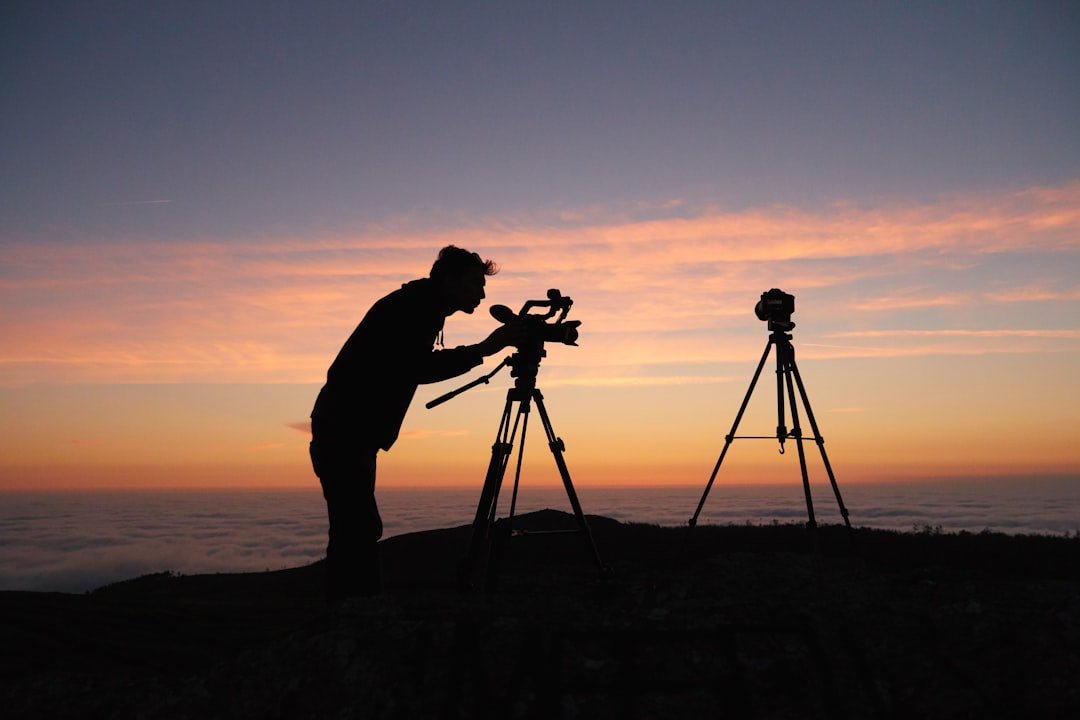
The relationship between photographer and camera functions most effectively when a measured equilibrium exists. Excessive reliance on technological solutions creates distance between artistic intention and final output. Conversely, embracing equipment limitations—whether through consciously reducing burst mode usage, employing manual focus techniques, or utilizing tripod support—reconnects the creator with their creative process.
This philosophy aligns with established principles across creative disciplines: constraints stimulate innovation, limitation breeds necessity, and thoughtful restraint produces more compelling results than unbridled capability. Many distinguished contemporary photographers deliberately employ older equipment or self-impose technical restrictions specifically to counter the homogenizing effects of contemporary camera systems.
Moving Forward with Purpose
Rather than chasing newer, faster, and more capable imaging equipment, photographers seeking to enhance their craft should focus on cultivating patience and purposefulness. This involves slowing deliberate workflow practices, reducing dependence on automation features, and reengaging with the foundational principles of composition and exposure metering.
The most meaningful photographic advancement doesn’t originate from technology—it emerges from discipline. By decelerating creative processes and embracing selective use of available technological features, photographers can transform their camera systems from obstacles into genuine creative instruments that serve artistic vision rather than overshadowing it.