Reframing the Artificial Intelligence Conversation in Modern Photography
The discourse surrounding artificial intelligence integration in photography has been dominated by apprehension and concern. Industry professionals frequently voice legitimate worries about technological displacement in commercial markets, the proliferation of synthetic imagery across digital platforms, and the potential erosion of what distinguishes authentic photographic craftsmanship. These anxieties form a consistent narrative whenever disruptive technologies emerge, prompting defensive stances and passionate debates about artistic integrity.
Yet beneath this cautionary chorus lies a compelling counternarrative that deserves serious consideration. While industry publications and photography communities continue fixating on potential threats, an emerging ecosystem of practical applications promises genuine creative enrichment and professional opportunity.
Discovering the Overlooked Advantages
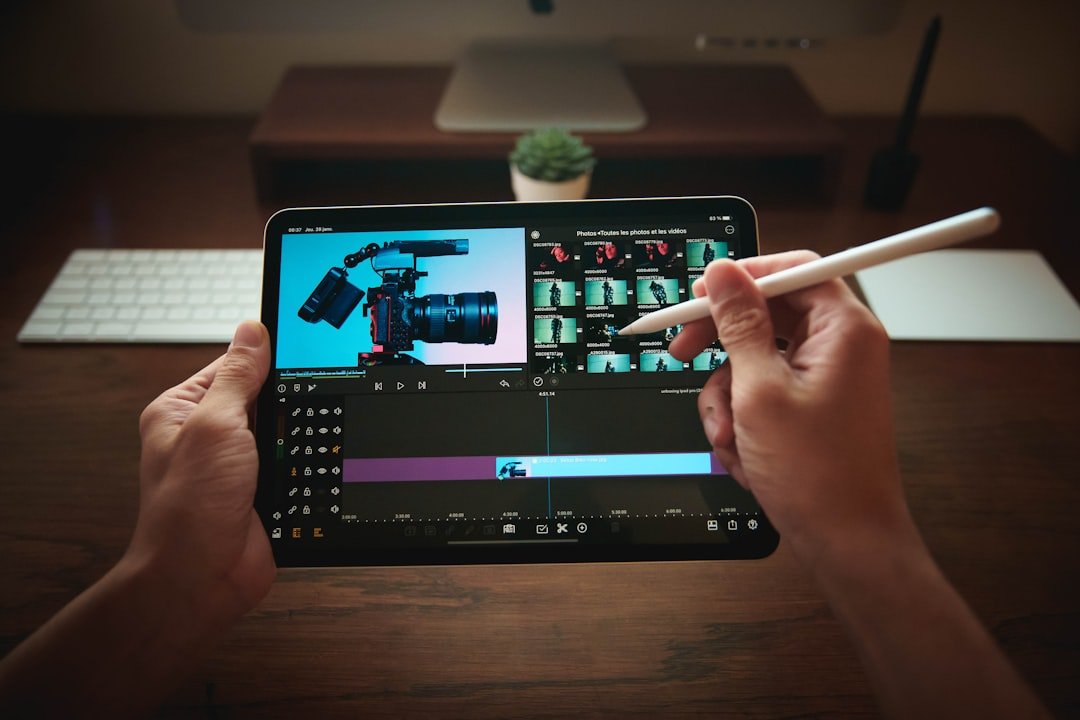
Intelligent automation tools are fundamentally transforming how photographers approach post-production workflows. Advanced algorithms now handle tedious technical tasks—from intelligent color grading to sophisticated noise reduction—liberating practitioners to concentrate on higher-level aesthetic decisions and conceptual development. This democratization of sophisticated editing capabilities means emerging photographers can achieve professional-grade results previously requiring specialized expertise or expensive software investments.
Smart composition analysis features provide valuable guidance for photographers seeking to strengthen their visual storytelling. Real-time suggestions for framing, balance, and tonal distribution serve as educational aids rather than replacements for artistic judgment. Meanwhile, intelligent asset management systems streamline the archival and retrieval processes that consume considerable time in contemporary digital workflows.
The Creative Partnership Model
Rather than positioning AI as a replacement for human creativity, progressive photographers increasingly view these technologies as collaborative partners. Computational tools excel at handling repetitive technical optimization, while photographers maintain authority over aesthetic direction, subject selection, and conceptual execution—the elements that truly distinguish exceptional work.
For commercial applications, intelligent automation reduces production timelines significantly, enabling faster client delivery and increased project capacity. Studio photographers benefit from sophisticated lighting analysis tools, while field photographers leverage intelligent image sorting and enhancement systems that accelerate post-production phases.
Democratizing Professional-Grade Results
Perhaps most significantly, these technologies extend professional capabilities to independent creators and small operations previously constrained by budget limitations. Sophisticated retouching, color science manipulation, and compositional enhancement—once exclusively available through expensive specialized services—are increasingly accessible through intelligent software.
Rather than accepting anxiety-driven narratives as inevitable, the photography community should engage thoughtfully with emerging technologies. Understanding practical applications, establishing ethical boundaries, and integrating these tools intentionally into individual practice models represents a more constructive approach than wholesale resistance.
The question isn’t whether AI will influence photographic practice—that transformation is underway. The more productive inquiry examines how individual photographers can strategically adopt these capabilities to enhance their distinctive creative voices while maintaining the craftsmanship and intentionality that define meaningful image-making.