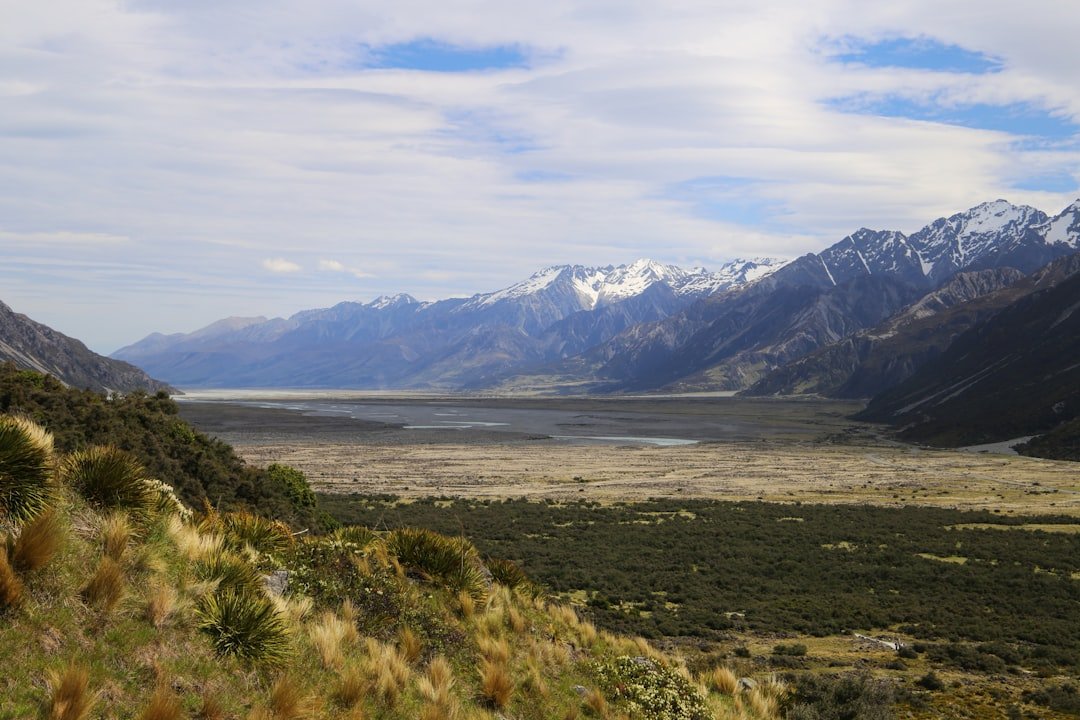
Conventional wisdom in landscape photography has long dictated that the harsh overhead sun during midday hours represents a significant technical challenge. Photographers are traditionally encouraged to plan shoots around the golden hour, when lower sun angles create dramatic shadows and warm color temperatures. However, a growing body of compelling imagery suggests that dismissing noon light entirely may cause us to overlook genuine creative opportunities.
The assumption that unfavorable lighting conditions automatically result in inferior photographs warrants closer examination. When executed with intentional technique and artistic vision, midday illumination can produce striking, high-contrast compositions that command viewer attention through their bold visual impact. The intensity and directness of overhead sun creates distinct shadows and pronounced textural details that may be underutilized by photographers who strictly adhere to traditional timing conventions.
Testing Unconventional Conditions in Spectacular Terrain
The dramatic landscapes of New Zealand’s South Island provide an ideal testing ground for challenging photographic assumptions. This region, dominated by the towering presence of Mount Cook and characterized by intricate river systems winding through deep glacial valleys, presents both technical obstacles and exceptional compositional possibilities. The interplay between brilliant midday sunlight and the region’s varied topography creates opportunities for experimental approaches to landscape documentation.
Photographers venturing into these environments during peak sun hours benefit from studying how extreme contrast behaves across diverse terrain. The interplay between illuminated peaks, shadowed valleys, and reflective water surfaces generates visual dynamics that can transcend the predictable aesthetics commonly associated with conventional timing.
Technical Considerations for Midday Shooting
Successfully executing landscape photography during challenging lighting requires refined technical proficiency. Photographers must skillfully manage exposure compensation to preserve detail across high-contrast scenes. Graduated neutral density filters become particularly valuable, allowing photographers to balance exposure between bright skies and darker foreground elements. Understanding how sensor capabilities handle extreme brightness ranges becomes essential for achieving optimal results.
Additionally, lens selection influences how midday conditions register in final images. Premium optics with superior coating technology help minimize flare and maintain contrast integrity when shooting directly into intense sun. Strategic composition—leveraging shadows as compositional elements rather than viewing them as problems—transforms apparent limitations into artistic advantages.
Challenging Photography Orthodoxy
This perspective doesn’t suggest abandoning the considerable advantages offered by optimal lighting conditions. Rather, it encourages photographers to develop sufficient technical mastery to function effectively across varying circumstances. The photographers who expand beyond rigid conventional timing often discover expanded creative possibilities and develop more versatile skill sets.
By reimagining how extreme lighting conditions contribute to visual storytelling, photographers can achieve distinctive results that stand apart from the abundance of conventionally-timed landscape imagery saturating digital platforms. The intensity, clarity, and boldness that characterize midday light represent legitimate aesthetic choices deserving consideration within a photographer’s broader technical toolkit.
Ultimately, the relationship between lighting conditions and photographic success depends less on the clock than on a photographer’s willingness to engage thoughtfully with available conditions and maintain technical command over their equipment.