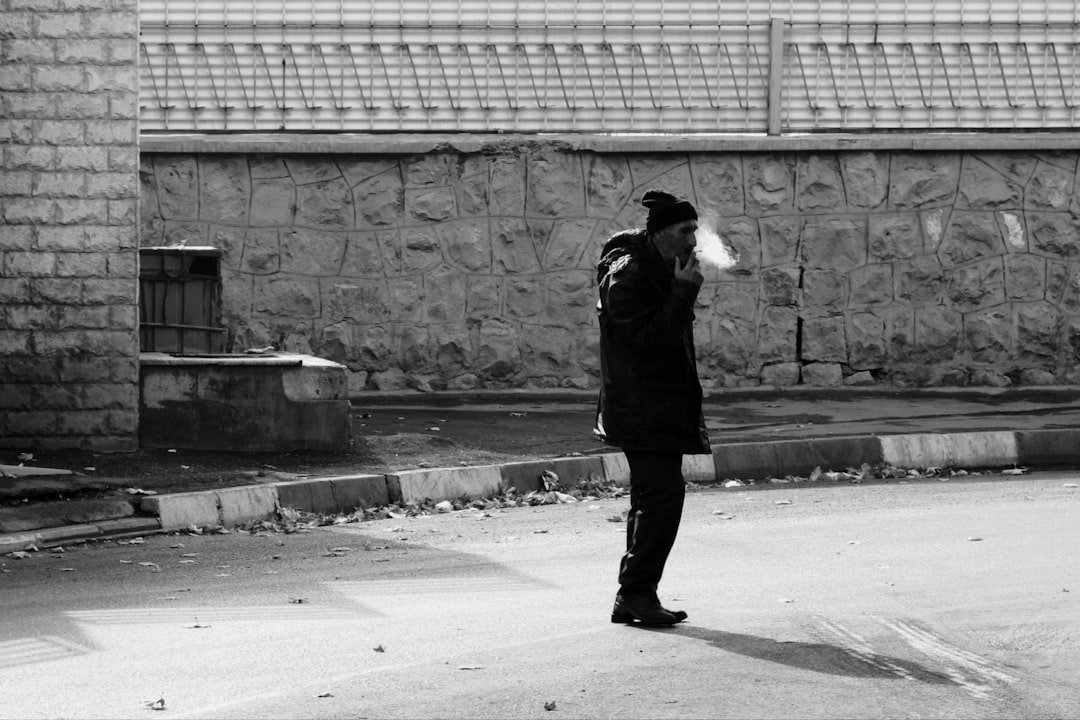
Controversial Official Pamphlet Raises Concerns Among Photography Community
British authorities have faced considerable backlash following the release of an official informational guide that contained contentious language regarding street and public photography practices. The document, which was intended to clarify regulations for the general public, instead generated widespread concern within professional and amateur photography circles who argue the guidance misrepresents legal protections afforded to image-makers.
The problematic publication suggested that individuals engaging in photography within public spaces could potentially face legal consequences, a claim that runs counter to established British law and has prompted swift criticism from industry advocates and legal experts. This miscommunication highlights a broader disconnect between government messaging and the actual legal framework governing photographic practice in the United Kingdom.
Legal Reality vs. Official Messaging
Under current British law, photographers retain substantial rights to capture images in publicly accessible areas without requiring permission from subjects or authorities in most circumstances. The distinction between lawful photography and unlawful activity remains nuanced, particularly regarding privacy considerations and data protection regulations, yet the government’s guidance failed to articulate these important distinctions clearly.
Professional photographers and industry organizations have pointed out that such misleading information could discourage legitimate journalistic work, documentary photography, and street photography—genres that have long been cornerstones of visual storytelling in Britain. The chilling effect of inaccurate official guidance threatens to undermine established creative practices and public discourse.
Impact on the Photography Sector
The photography industry relies heavily on public understanding of legal frameworks that protect their work. When government bodies publish materials that suggest arrest is a possible consequence of lawful activity, it creates unnecessary apprehension among both professionals and hobbyists. This uncertainty can discourage participation in valuable forms of documentary and street photography that contribute to cultural and journalistic documentation.
Many established photographers who focus on urban landscapes, candid street scenes, and documentary storytelling have expressed concern that such guidance could embolden officials to challenge legitimate work in the field. This represents a significant departure from the historically permissive approach to public photography in the UK.
Next Steps and Clarification
Following the criticism, authorities have acknowledged the need to revise the guidance and provide clearer, more accurate information about photographers’ legal status. The incident underscores the importance of consulting with legal experts and industry professionals when crafting public guidance on complex regulatory matters.
For photographers operating within British jurisdictions, the core principle remains unchanged: taking photographs in public spaces where you have legitimate access is generally lawful, provided you respect privacy laws, data protection regulations, and other specific legal constraints. However, the official guidance should reflect this reality clearly rather than suggesting punitive measures for ordinary photographic practice.
This situation serves as a reminder that accurate, well-informed government communication is essential for maintaining public confidence in both regulatory frameworks and the creative freedoms that define photography as a profession and art form.