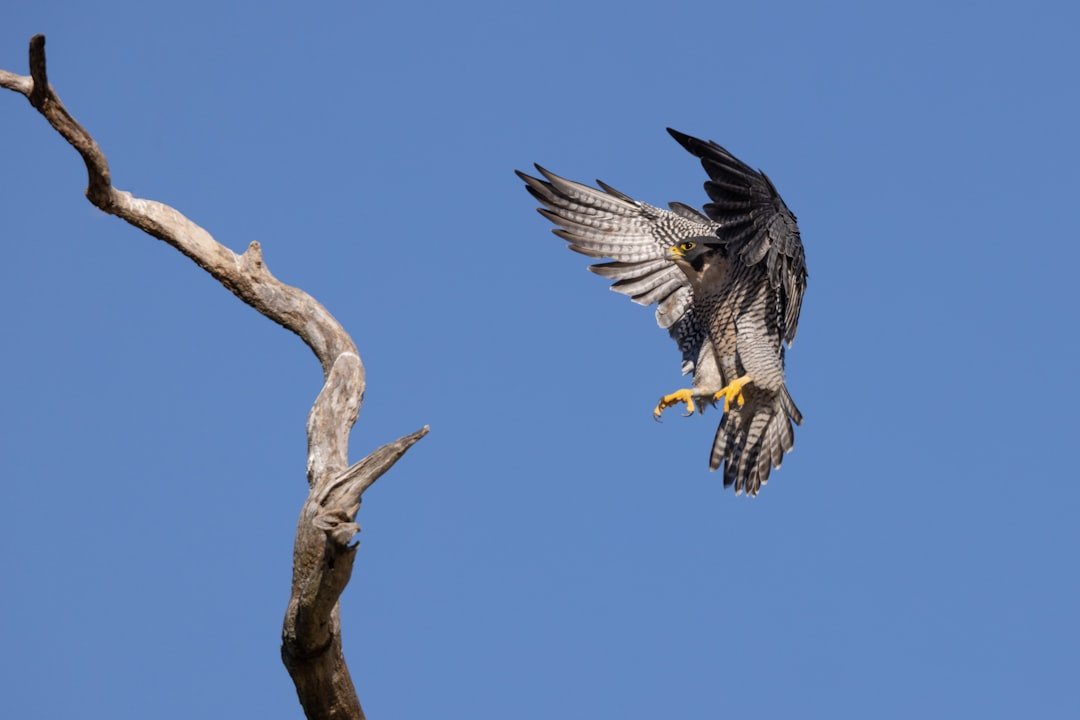
Young Talent Prevails in Crowded Field with Stunning Wildlife Capture
In a remarkable achievement for emerging wildlife photography talent, a mere teenager has earned top honors at a prestigious United Kingdom photography competition, outwitting over 1,200 ambitious contenders with a single extraordinary frame. The winning submission—a dynamic capture of a diminutive raptor engaged in aerial pursuit of an iridescent dragonfly—demonstrates the technical prowess and artistic vision that sets exceptional wildlife imagery apart from ordinary nature documentation.
At just 17 years old, this young photographer has joined an elite category of image-makers who possess both the technical command of their equipment and the instinctive timing necessary for capturing fleeting moments in the natural world. The victory underscores a growing trend in contemporary photography: younger creators leveraging advanced digital capture systems and refined post-processing techniques to produce gallery-quality work that rivals established professionals.
The Technical Challenge of Action Photography
Photographing fast-moving subjects—particularly birds in pursuit—presents one of wildlife photography’s most demanding technical scenarios. Success requires mastery of several interconnected elements: rapid autofocus tracking, appropriate shutter speed selection to freeze motion while maintaining ambient exposure, and the spatial awareness to anticipate subject positioning before the decisive moment arrives. The photographer’s ability to execute these technical requirements while composing an aesthetically compelling image speaks to genuine skill development at an impressively young age.
Modern mirrorless camera systems with sophisticated subject-tracking algorithms have democratized certain aspects of action photography, yet converting technical capability into creative expression remains an art form. The winning image evidently transcends mere technical execution, offering viewers a window into predator-prey dynamics with aesthetic sophistication.
Wildlife Photography’s Growing Youth Movement
This competition result reflects broader patterns within contemporary photography culture. Digital accessibility, combined with online communities dedicated to skill-sharing and critique, has accelerated the learning curve for motivated young photographers. What previously required years of apprenticeship or expensive formal education can now be augmented through curated online resources, mentorship networks, and hands-on experimentation.
The dragonfly photograph represents more than individual achievement—it illustrates how younger generations are reshaping wildlife documentation. These emerging photographers often bring fresh perspectives to conventional subject matter, frequently emphasizing creative composition and emotional narrative alongside strict scientific documentation.
Competition Significance
Competing successfully against over a thousand entries from photographers of varying experience levels amplifies the significance of this win. Major photography competitions serve as crucial validation mechanisms within the professional community, building credibility and opening doors to exhibition opportunities, publication, and commercial assignments. For a teenager, such recognition can meaningfully accelerate an already promising trajectory.
The image’s subject matter—capturing the split-second drama of predatory pursuit—resonates universally with photography enthusiasts. Such moments require extensive field time, environmental knowledge, and considerable patience alongside technical expertise. The combination of luck and preparation that produces such exceptional wildlife moments remains compelling to both casual and serious photographers.
As this young photographer looks toward the future, this competition victory likely represents merely the initial chapter in what could become a significant career within wildlife documentation, conservation photography, or editorial work. The foundation of technical skill, creative vision, and persistence demonstrated in this singular achievement suggests considerable potential for sustained excellence.