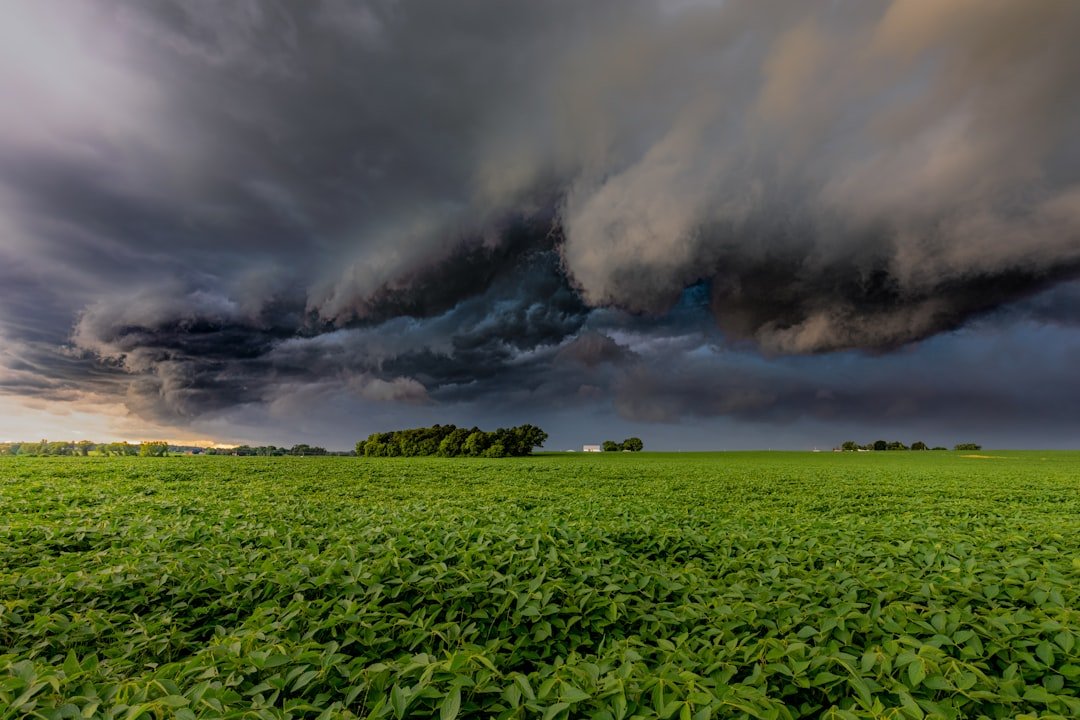
When Perfect Conditions Collide with Limited Time
Every landscape photographer has experienced this frustrating scenario: meteorological conditions align perfectly, atmospheric pressure systems create dramatic cloud formations, yet your schedule remains inflexible. A family commitment, professional obligation, or prior engagement suddenly transforms an ideal shooting window into a frantic race against the clock.
This tension between optimal environmental factors and severe time constraints represents one of the most common challenges facing contemporary nature photographers. Rather than viewing this as a limitation, many professionals have learned to harness these pressures as creative catalysts that sharpen decision-making and eliminate wasteful deliberation.
Strategic Prioritization Under Pressure
When dawn breaks with unexpected atmospheric clarity—perhaps following weeks of disappointing weather patterns—photographers must immediately assess their situation with surgical precision. Location scouting becomes secondary. Equipment checks are streamlined. The luxury of contemplative composition simply disappears.
This forced efficiency actually produces measurable benefits. Without time for endless bracketing sequences or exhaustive perspective exploration, photographers develop heightened instincts about subject selection and framing. They learn to trust their technical knowledge rather than relying on trial-and-error approaches that consume precious daylight hours.
The Paradox of Constraint and Creativity
Creative limitation frequently generates superior artistic results. Psychologists and productivity researchers have documented how artificial time constraints often enhance focus and output quality. For visual storytellers working with natural light, this principle manifests powerfully.
A photographer with four hours of ideal conditions might produce technically proficient but compositionally derivative images. The same photographer granted only ninety minutes often delivers work infused with purpose and clarity. The constraint forces them to identify their most compelling vision and execute it with conviction rather than exploring numerous interpretations.
Preparation Becomes Everything
While spontaneity plays a role in landscape photography, professionals working within temporal constraints understand that preparation determines outcomes. Location familiarity becomes invaluable. Understanding seasonal light patterns, prevailing weather systems, and optimal vantage points allows photographers to move decisively when opportunities materialize.
Equipment selection streamlines naturally under time pressure. Carrying every lens becomes impractical. Instead, photographers grab their most reliable tools and trusted focal lengths, reducing decision fatigue during critical moments.
Embracing the Challenge
Rather than lamenting scheduling conflicts or unfavorable timing, accomplished landscape photographers increasingly recognize these scenarios as opportunities for growth. The photographer who masters image-making within compressed timeframes develops skills that elevate their entire body of work.
Those perfect light conditions arrive when they arrive. The photographer who has learned to work decisively within whatever window nature provides—regardless of external obligations—possesses an adaptive capability that distinguishes them within the field. The constraint becomes the catalyst for excellence.