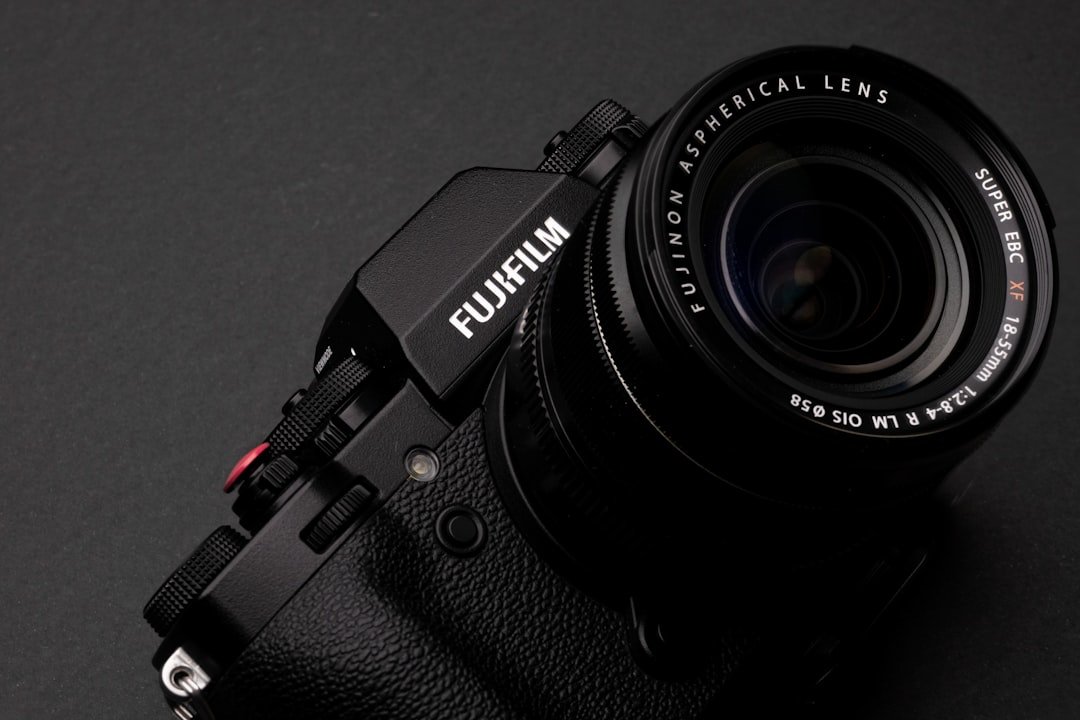
Fujifilm’s XApp Finally Delivers on the Promise of Modern Camera Software
The landscape of mobile photography applications has undergone a dramatic transformation in recent years. Gone are the days when camera manufacturers treated smartphone connectivity as an afterthought. Today’s leading manufacturers recognize that robust mobile software serves as an essential extension of their camera ecosystems, offering photographers seamless workflows and advanced functionality directly from their devices.
Fujifilm’s XApp represents a significant step forward in this evolution. Launched in 2023, this application succeeds the company’s previous Camera Remote software—a platform plagued by connectivity instability and suboptimal user satisfaction ratings. Our comprehensive evaluation of XApp using an X-T5 mirrorless camera alongside both iOS and Android devices reveals a markedly improved solution that addresses many of its predecessor’s shortcomings.
Comprehensive Feature Set Enhances the Shooting Experience
Beyond basic photo transfer functionality, XApp consolidates numerous valuable tools into a single interface. Users can execute remote camera operation with live-view monitoring, incorporate GPS metadata directly into image files, preserve multiple configuration profiles for rapid recall, oversee firmware version management, and maintain detailed logs of shooting sessions and camera performance metrics.
Fujifilm’s compatibility approach demonstrates reasonable breadth, supporting camera bodies from 2018 onward. This encompasses a range of models from the GFX medium-format line through compact APS-C offerings. However, photographers wielding pre-2018 equipment should note that the legacy Camera Remote application remains the designated solution.
Pairing and Connectivity in Practice
The initialization process proves straightforward, with the application guiding users through each step methodically. The implementation leverages Bluetooth for the initial handshake, subsequently transitioning to Wi-Fi for bandwidth-intensive operations including file transfers and remote shooting commands. During our testing, the connection maintained stability across sessions, though occasional disconnection events required brief application restarts—a minor inconvenience rather than a fundamental flaw.
Transfer Workflow and Performance Metrics
Image selection functionality employs an intuitive gallery-style interface supporting both individual and batch operations. A particularly useful feature allows photographers to organize transfers by custom rating designations assigned during field shooting, enabling rapid identification of keeper images without manual review of entire sessions.
The application incorporates intelligent filtering capabilities, permitting users to sort images by technical specifications, capture timeframes, and subject classification categories—functionality dependent on each camera model’s computational capabilities. When evaluating the X-T5’s 40-megapixel sensor, transferring five RAW/JPEG image combinations required approximately three minutes, with JPEG-only transfers completing in under 45 seconds. Transfer duration scales accordingly with sensor resolution, with lower-resolution bodies operating more quickly and medium-format cameras requiring extended processing.
Final Assessment
XApp represents genuine progress in Fujifilm’s mobile ecosystem strategy. While minor refinements could enhance the user experience further, the application successfully delivers on modern expectations for camera companion software. Photographers invested in Fujifilm’s digital bodies will find XApp an indispensable tool for streamlining post-capture workflows and extending remote operation capabilities.