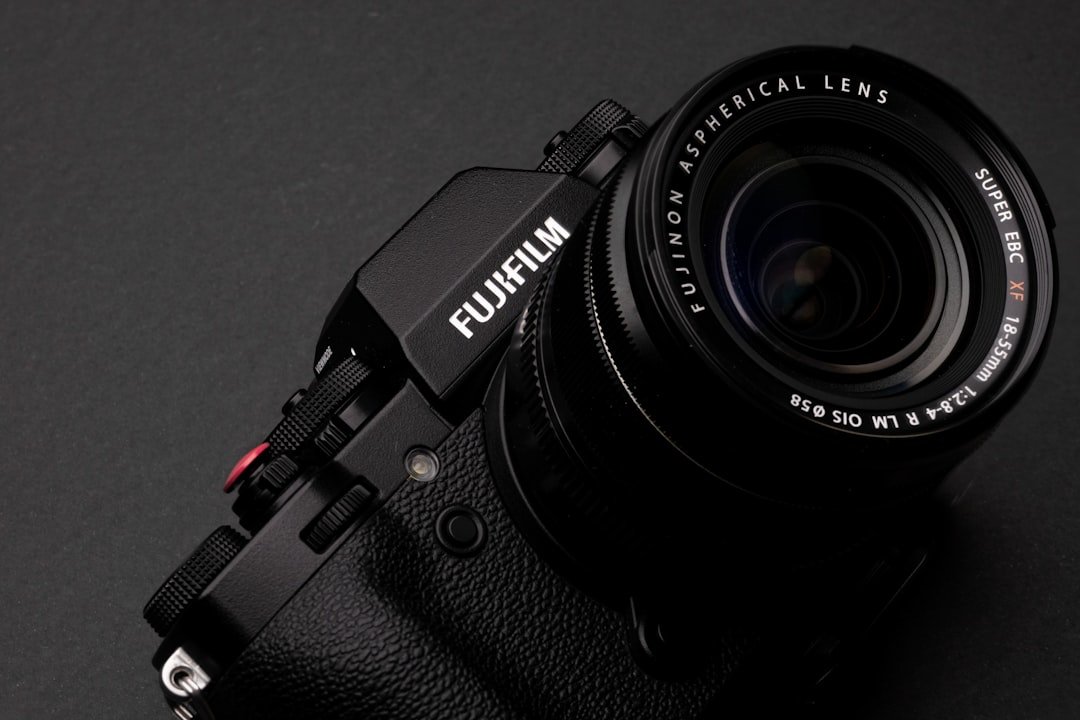
Budget-Friendly Meets Premium: Navigating Fujifilm’s Mid-Range Lineup
Fujifilm’s contemporary camera roster presents an intriguing challenge for photographers evaluating their next equipment investment. The X-M5 and X-E5 share aesthetic similarities and operate within the brand’s respected APS-C ecosystem, yet their market positioning couldn’t be more distinct. With roughly $1,000 separating the typical retail prices—the entry-level option hovering near $800 while its counterpart commands approximately $1,800—prospective buyers must confront a fundamental question about their priorities in camera selection.
Understanding the Positioning Gap
Both cameras represent Fujifilm’s commitment to delivering capable imaging tools across different user segments. However, the substantial price differential between these two models signals meaningful distinctions in construction philosophy, feature implementation, and overall shooting experience. Rather than a simple refresh cycle, these bodies occupy distinctly different niches within the manufacturer’s portfolio.
The lower-priced alternative targets photographers transitioning from smartphone photography or entering the interchangeable lens market for the first time. Its accessible price point democratizes access to Fujifilm’s acclaimed color science and lens ecosystem, making mirrorless photography achievable for budget-conscious enthusiasts.
Conversely, the premium-positioned model caters to professionals and advanced amateurs who demand robust construction, enhanced ergonomics, and performance characteristics that justify elevated investment. This segmentation strategy allows Fujifilm to capture market share across multiple purchasing tiers while maintaining brand integrity.
Where the Experience Diverges
The shooting experience with each body reveals surprising contrasts that extend beyond simple specification comparisons. Build quality differences manifest in handling characteristics, viewfinder performance, and operational responsiveness. The premium model’s construction materials and weather-sealing capabilities provide confidence in challenging environmental conditions—a consideration that impacts creative freedom and equipment longevity.
Resolution capabilities also factor into this equation, though perhaps not as dramatically as megapixel counts might suggest. While the higher-resolution option captures additional detail, the practical implications depend entirely on individual workflow requirements and output specifications. Portrait photographers and studio professionals may prioritize this advantage, whereas street and documentary practitioners might find the entry-level sensors entirely adequate.
The Real Investment Question
Beyond technical specifications, this comparison challenges photographers to evaluate their actual needs against aspirational desires. The $1,000 differential represents significant capital that might alternatively fund premium lenses, essential accessories, or storage solutions—investments that potentially yield greater creative returns than camera body specifications alone.
For emerging photographers still defining their artistic direction, the economical choice provides valuable hands-on experience with Fujifilm’s system before committing substantial resources. Conversely, established practitioners with defined workflows and specific technical requirements may justify the premium investment through increased productivity and enhanced reliability.
Making Your Decision
Ultimately, selecting between these siblings demands honest self-assessment regarding shooting patterns, intended applications, and long-term commitment to the Fujifilm ecosystem. Both cameras deliver genuine capability; the distinction lies in determining which feature set and construction quality align with your photographic ambitions and budget constraints.