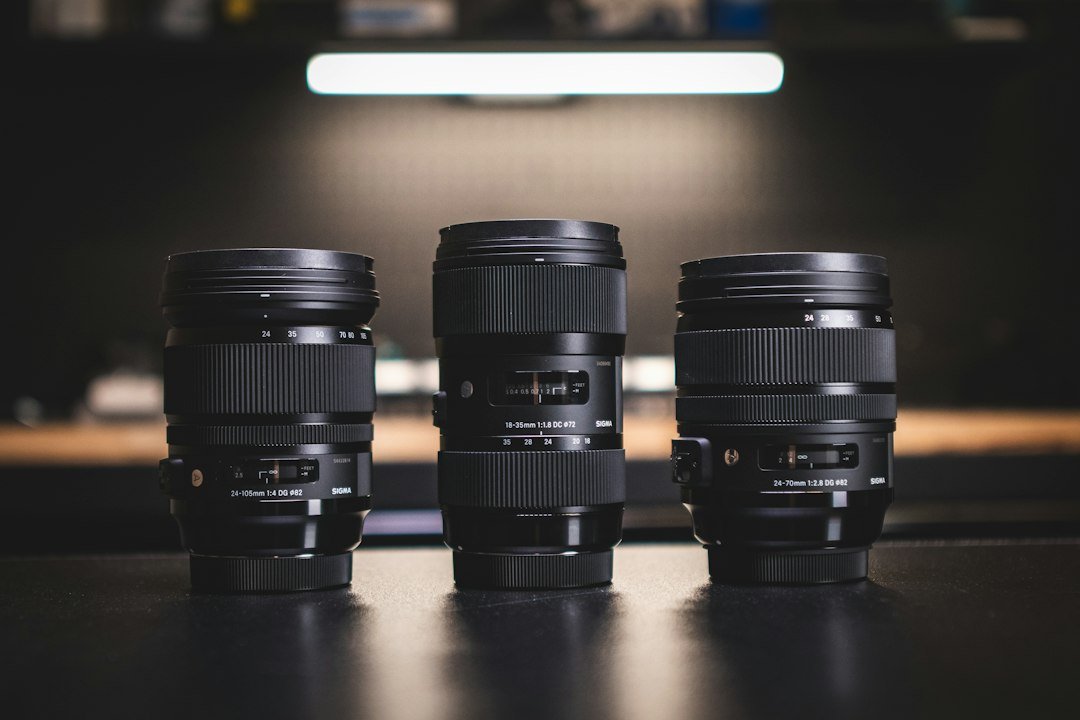
A Telephoto Revolution for Crop Sensor Photographers
The 70-200mm f/2.8 telephoto has long been considered the gold standard in professional imaging circles. For decades, full-frame shooters have relied on these versatile optics to capture everything from high-speed athletic moments to intimate portrait work. However, their substantial price tags and considerable bulk have traditionally limited accessibility for many photographers.
Enter the crop sensor advantage. When mounted on APS-C bodies, telephoto lenses benefit from the platform’s inherent magnification factor, effectively extending their reach while maintaining a more manageable footprint. This optical reality has prompted lens manufacturers to reconsider their design philosophies, creating compelling alternatives that don’t demand the investment or spatial requirements of their full-frame counterparts.
Bridging the Professional and Prosumer Gap
Sigma’s contemporary lens offerings have increasingly targeted this middle ground—delivering professional-grade optical performance without the premium pricing historically associated with telephoto zooms. The 50-120mm f/2.8 represents a thoughtful approach to this market segment, providing shooters with a fast, constant aperture solution that addresses real-world needs.
What makes this focal range particularly intriguing is its practical versatility. Unlike traditional telephoto designs that start around 70mm, this lens begins at a more moderate 50mm, offering additional flexibility for environmental portraits, event coverage, and general-purpose telephoto work. The constant f/2.8 aperture throughout the zoom range ensures consistent exposure control and subject separation—critical advantages when working in variable lighting conditions typical of sports venues, concert halls, and wedding receptions.
The Compact Advantage
Size and weight considerations shouldn’t be underestimated in professional practice. A more compact telephoto eliminates fatigue during extended shooting sessions and reduces equipment burden when traveling between locations. For working photographers balancing multiple lens systems, a lighter solution means more room in camera bags for additional gear or longer shooting sessions without physical strain.
The APS-C ecosystem has matured considerably, with major manufacturers now recognizing this platform as a legitimate professional tool rather than simply an entry-level option. This shift has encouraged lens designers to invest serious engineering resources into crop-sensor-optimized optics that deliver the optical quality discriminating professionals demand.
Performance Meets Practicality
Contemporary lens coatings and autofocus technologies have advanced substantially in recent years. Modern telephoto designs incorporate sophisticated focusing motors, advanced optical glass formulations, and multi-element configurations that rival or exceed performance characteristics of considerably older, more expensive designs. These improvements democratize professional-grade imaging, allowing emerging photographers to access tools previously reserved for established professionals with substantial budgets.
The constant f/2.8 aperture deserves particular emphasis. This optical characteristic enables reliable subject isolation and maintains shooting flexibility in indoor environments without requiring extreme ISO values. For event photographers, sports documentarians, and portraitists, this represents a fundamental requirement rather than a luxury feature.
Conclusion
The evolution of telephoto lens design reflects broader industry trends toward intelligent engineering and market segmentation. Rather than forcing all photographers toward expensive, oversized equipment, manufacturers now recognize that thoughtful alternatives can serve diverse professional needs. Sigma’s contemporary telephoto offerings exemplify this philosophy, delivering capable tools that enable photographers to work efficiently without compromise.