Breaking Down the APS-C Lens Market
The mirrorless and DSLR landscape for APS-C sensors has long suffered from an imbalance in optical innovation. While full-frame systems receive consistent attention from major lens manufacturers, crop-sensor platforms frequently encounter limited options and prolonged gaps between new releases. This market asymmetry has created significant opportunities for independent optical designers to establish themselves as serious contenders in the interchangeable lens ecosystem.
Third-party manufacturers have increasingly demonstrated their capacity to deliver sophisticated optical solutions that rival—and sometimes exceed—offerings from established brands. When executed with precision, these endeavors can provide photographers with exceptional value propositions without requiring substantial financial investment.
Tamron’s Contribution to the APS-C Arsenal
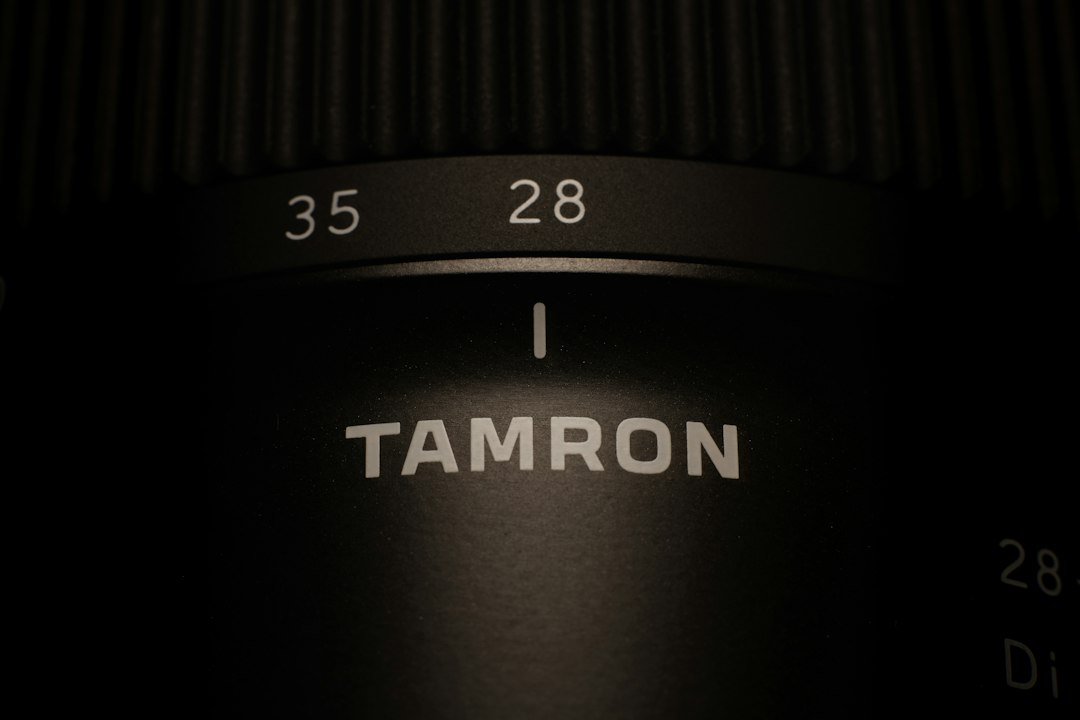
The Tamron 16-50mm f/2.8 represents a compelling example of how independent optical engineers can address genuine market demands. This particular optic exemplifies the trend of premium-tier functionality trickling down into more accessible price categories, democratizing professional-grade imaging capabilities for enthusiast and transitional photographers.
By maintaining a constant f/2.8 aperture throughout its zoom range, this lens delivers consistent light-gathering capability—a specification typically reserved for considerably more expensive options. The versatile focal length span accommodates diverse compositional scenarios, from environmental portraiture to landscape documentation, making it a pragmatic single-lens solution for photographers seeking optical flexibility.
Market Significance and Broader Implications
The emergence of competitively-priced, high-performance glass underscores a fundamental shift in how the optical industry approaches consumer segmentation. Rather than treating crop-sensor users as secondary-tier customers deserving of scaled-down specifications and diminished optical performance, manufacturers like Tamron are investing research and development resources into delivering genuine professional-caliber tools at entry-to-intermediate price points.
This philosophy benefits the entire photographic community. When major manufacturers observe smaller companies successfully capturing market share through superior value offerings, competitive pressure incentivizes innovation across all segments. The resulting ecosystem becomes more robust, diverse, and accessible to photographers operating under various budgetary constraints.
Encouraging Industry Momentum
The trajectory of third-party lens development deserves recognition and support from the photographic community. When independent manufacturers demonstrate commitment to engineering excellence and customer satisfaction, they deserve encouragement to continue pushing boundaries and challenging conventional wisdom about where professional-grade optics fit within market hierarchies.
For photographers contemplating system investments or upgrade pathways, examining offerings from established third-party manufacturers has evolved from a compromise strategy into a legitimate first choice. Lenses like the Tamron 16-50mm f/2.8 prove that budget consciousness and optical sophistication need not be mutually exclusive—a paradigm shift that benefits imaging enthusiasts at all experience levels and financial positions.